
Mastering Modern Fulfilment for Global E-commerce Success
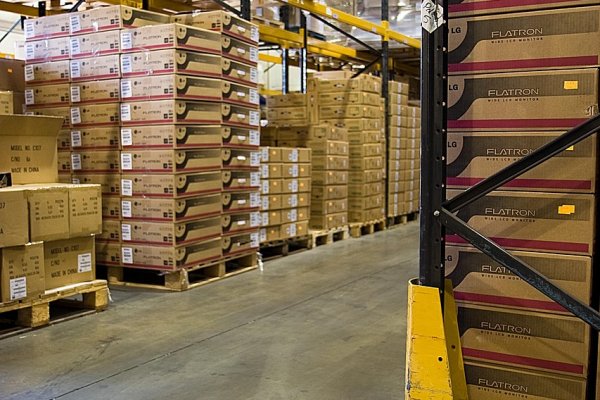
In today's rapidly evolving e-commerce landscape, efficient fulfilment operations have become the backbone of successful online businesses. Whether you're a startup selling handcrafted goods or an established brand expanding internationally, understanding the nuances of modern fulfilment strategies can mean the difference between thriving and merely surviving. This comprehensive guide explores the critical components of fulfilment, from leveraging Amazon's FBA program to navigating the complexities of shipping from China, understanding 3PL pallet costs, and optimizing carrier relationships with services like DPD.
Understanding the Fulfilment Landscape
Fulfilment encompasses every step involved in getting products from your warehouse to your customer's doorstep. It includes inventory storage, order processing, picking and packing, shipping, and returns management. As e-commerce has exploded globally, businesses face increasingly complex decisions about how to structure their fulfilment operations to balance cost, speed, and customer satisfaction.
The modern fulfilment ecosystem offers multiple pathways, each with distinct advantages and considerations. Some businesses choose to handle fulfilment in-house, maintaining direct control over every aspect of the process. Others outsource to third-party logistics providers (3PLs) or utilize hybrid approaches that combine multiple strategies. The key is finding the right mix that aligns with your business model, product characteristics, and customer expectations.
Amazon FBA: The E-commerce Fulfilment Powerhouse
Amazon's Fulfilment by Amazon (FBA) program has revolutionized how online sellers approach logistics. By sending inventory to Amazon's warehouse network, sellers gain access to Prime eligibility, multi-channel fulfilment capabilities, and Amazon's world-class logistics infrastructure without building it themselves.
How FBA Works
The FBA process is straightforward yet powerful. Sellers ship products in bulk to Amazon's fulfilment centers, where inventory is received, stored, and catalogued. When a customer places an order, Amazon handles picking, packing, shipping, and customer service. Returns are processed through Amazon's systems, and sellers can monitor inventory levels through the Seller Central dashboard.
Advantages of Using FBA
- Prime Badge: Products become eligible for Amazon Prime's two-day shipping, significantly increasing visibility and conversion rates
- Scalability: Handle peak seasons without worrying about warehouse capacity or temporary staffing
- Multi-Channel Fulfilment: Use Amazon's network to fulfill orders from other sales channels
- Customer Trust: Leverage Amazon's reputation for reliable shipping and hassle-free returns
- Time Savings: Focus on product development and marketing rather than logistics operations
FBA Cost Considerations
While FBA offers tremendous benefits, understanding the cost structure is essential for profitability. FBA fees include fulfilment fees based on product size and weight, monthly storage fees that increase during peak season (October through December), and long-term storage fees for inventory that sits in warehouses for extended periods. Sellers must carefully calculate their margins to ensure FBA makes financial sense for their product mix.
Shipping from China: Navigating International Fulfilment
For many e-commerce businesses, shipping from China represents both opportunity and challenge. China's manufacturing capabilities and competitive pricing make it an attractive sourcing destination, but international shipping requires careful planning and expertise.
Shipping Methods from China
Businesses have several options when importing products from China, each with different timeframes and cost structures:
- Air Freight: Fastest option (5-10 days), ideal for smaller shipments or time-sensitive products, but most expensive per unit
- Sea Freight FCL (Full Container Load): Most economical for large volumes, typical transit time of 20-40 days depending on destination port
- Sea Freight LCL (Less than Container Load): Cost-effective for medium volumes that don't fill an entire container
- Express Courier: Services like DHL, FedEx, or UPS for urgent smaller shipments, with door-to-door delivery in 3-5 days
Key Considerations for China Shipping
Successfully managing shipments from China requires attention to several critical factors. Customs clearance demands accurate documentation, proper product classification, and payment of applicable duties and taxes. Working with experienced freight forwarders who understand both Chinese export regulations and your destination country's import requirements is invaluable. Many businesses utilize platforms like www.search3pl.com to identify qualified logistics partners with China shipping expertise.
Incoterms (International Commercial Terms) define responsibilities between buyer and seller. Common terms include FOB (Free on Board), where the seller delivers goods to the port, and DDP (Delivered Duty Paid), where the seller handles all costs and risks until delivery. Understanding these terms prevents costly misunderstandings and unexpected expenses.
Understanding 3PL Cost Per Pallet
For businesses seeking fulfilment solutions beyond FBA, working with a third-party logistics provider (3PL) offers flexibility and often cost advantages. One critical metric in evaluating 3PL partnerships is the cost per pallet for storage and handling.
What Influences 3PL Pallet Costs
The cost per pallet varies significantly based on multiple factors:
- Geographic Location: Warehouses in major metropolitan areas typically command premium rates compared to secondary markets
- Storage Duration: Long-term storage often receives discounted rates compared to short-term arrangements
- Service Level: Standard pallet storage costs less than specialized requirements like climate control or hazmat handling
- Volume Commitment: Higher pallet counts usually unlock better per-unit pricing
- Handling Frequency: Products with high turnover that require frequent picking may incur additional fees
Typical 3PL Pallet Pricing
While prices vary by region and provider, monthly pallet storage typically ranges from fifteen to forty dollars per pallet position. This base rate usually includes storage only, with additional fees for receiving, picking, packing, and shipping. Some 3PLs charge per-pallet receiving fees of ten to thirty dollars, while order fulfillment fees depend on order complexity, number of items, and packaging requirements.
Evaluating 3PL Value Beyond Price
While cost per pallet provides a useful comparison metric, selecting a 3PL partner requires evaluating factors beyond price alone. Technology integration capabilities, inventory accuracy rates, geographic coverage, scalability during peak seasons, and customer service responsiveness all contribute to the overall value proposition. A slightly higher per-pallet cost may prove worthwhile when accompanied by superior service levels that enhance customer satisfaction and reduce problem resolution time.
DPD: Reliable Parcel Delivery for European Markets
DPD (Dynamic Parcel Distribution) has established itself as a leading parcel carrier, particularly across European markets. For businesses focused on European fulfilment, understanding DPD's capabilities and integrating their services effectively can enhance delivery performance and customer experience.
DPD Service Offerings
DPD provides comprehensive delivery solutions tailored to e-commerce needs. Their standard services include next-day delivery across major European markets, precise one-hour delivery windows through their Predict service, and flexible delivery options allowing recipients to redirect parcels to pickup points or reschedule deliveries. These customer-centric features significantly reduce failed delivery attempts and improve satisfaction.
Integrating DPD with Fulfilment Operations
Successful DPD integration requires both technical and operational components. Most modern 3PL providers and warehouse management systems offer DPD integration, enabling automatic label generation, real-time tracking updates, and seamless data exchange. When evaluating fulfilment partners through resources like www.search3pl.com, confirming carrier integration capabilities ensures smooth operations from day one.
DPD Cost Structure
DPD pricing varies based on shipment weight, dimensions, destination zone, and volume commitments. Businesses shipping significant volumes can negotiate favorable rates through volume agreements. Understanding dimensional weight calculations is crucial, as bulky lightweight items may be charged based on volume rather than actual weight, impacting profitability for certain product categories.
Building Your Optimal Fulfilment Strategy
Creating an effective fulfilment strategy requires synthesizing these various elements into a cohesive approach aligned with your business objectives. Many successful e-commerce companies employ hybrid strategies, using FBA for Amazon sales while partnering with a 3PL for other channels, or maintaining regional fulfilment centers to optimize shipping costs and delivery times across different markets.
Strategic Considerations
When designing your fulfilment approach, consider your product characteristics, sales channels, customer geography, and growth trajectory. Products with high sales velocity benefit from proximity to customers through distributed inventory, while slower-moving items might consolidate in a single location to minimize storage costs. International expansion often necessitates local fulfilment presence to meet customer delivery expectations and manage cross-border complexities.
Continuous Optimization
Fulfilment is not a "set and forget" component of your business. Regular analysis of fulfilment costs, delivery performance, customer feedback, and market trends should inform ongoing adjustments. Quarterly reviews of carrier performance, 3PL service levels, and inventory positioning help identify optimization opportunities that enhance both profitability and customer satisfaction.
Conclusion
Mastering modern fulfilment requires understanding diverse options from FBA's powerful infrastructure to international shipping from manufacturing hubs like China, evaluating 3PL partnerships based on cost per pallet and service quality, and optimizing carrier relationships with providers like DPD. The most successful e-commerce businesses view fulfilment not as a cost center to minimize but as a strategic advantage to cultivate. By investing time in understanding these fulfilment components and crafting a strategy tailored to your unique business needs, you position your company for sustainable growth in an increasingly competitive marketplace. Whether you're just beginning your e-commerce journey or optimizing existing operations, the insights shared here provide a foundation for making informed fulfilment decisions that delight customers while protecting your bottom line.


