
How Warehouses Coordinate FBM, Parcel Force, and Hauliers in London
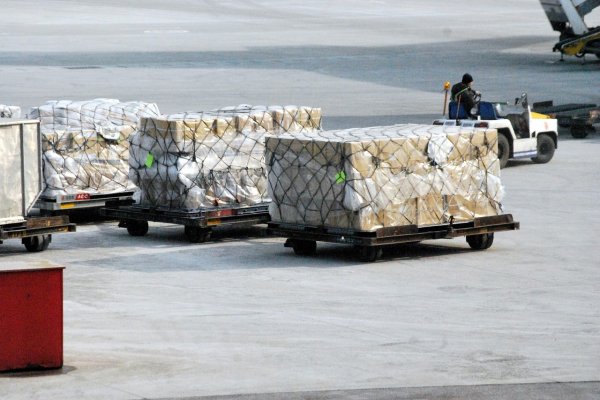
The logistics landscape in London has evolved dramatically over the past decade, with warehouses becoming sophisticated hubs that orchestrate complex fulfilment operations. For e-commerce businesses choosing the Fulfilled by Merchant (FBM) route, understanding how warehouses coordinate with carriers like Parcel Force and hauliers is crucial to maintaining competitive advantage in today's fast-paced marketplace.
The Rise of FBM in London's Warehouse Ecosystem
Fulfilled by Merchant, commonly known as FBM, represents a fulfilment model where sellers maintain control over their inventory, storage, and shipping processes rather than outsourcing these functions entirely to marketplace platforms. In London's dense commercial environment, this approach offers significant advantages for businesses seeking flexibility and brand control.
Unlike the Fulfilled by Amazon (FBA) model, FBM allows merchants to use their own warehouse facilities or partner with third-party logistics providers who offer tailored solutions. This flexibility becomes particularly valuable in London, where property costs and space constraints make efficient warehouse utilization paramount. Many businesses are discovering that working with specialized warehouses through platforms like www.search3pl.com provides access to professional fulfilment services without the commitment of long-term property leases.
Why Merchants Choose FBM in the Capital
- Cost control: Avoid marketplace storage fees and maintain better margins on sales
- Brand identity: Customize packaging, inserts, and customer communications
- Inventory flexibility: Sell across multiple channels from a single stock location
- Specialized handling: Accommodate products requiring specific storage conditions
- Direct customer relationships: Maintain control over the entire customer experience
The Critical Role of Parcel Force in London Warehouse Operations
As a cornerstone of the UK postal system, Parcel Force Worldwide provides essential services for warehouses managing FBM operations throughout London. This Royal Mail subsidiary specializes in handling larger, heavier parcels that fall outside standard postal service parameters, making it an invaluable partner for warehouses dealing with diverse product ranges.
Modern London warehouses typically establish dedicated Parcel Force collection arrangements, with scheduled pickups that align with order processing cycles. This coordination ensures that customer orders dispatched from warehouse facilities reach the Parcel Force network efficiently, benefiting from their extensive UK coverage and international shipping capabilities.
Optimizing Parcel Force Integration
Successful warehouses implement several strategies to maximize their Parcel Force partnerships:
- Consolidated collections: Scheduling pickups during peak fulfilment periods to maximize efficiency
- Pre-sorting systems: Organizing parcels by service level and destination before collection
- Real-time tracking integration: Connecting warehouse management systems with Parcel Force tracking data
- Return management: Establishing streamlined processes for handling returns through Parcel Force networks
- Service level optimization: Matching customer delivery expectations with appropriate Parcel Force service tiers
The ability to offer customers reliable delivery through Parcel Force, with options ranging from next-day to international shipping, gives FBM merchants a competitive edge. Warehouses that master this integration provide their merchant clients with shipping flexibility that rivals marketplace-controlled fulfilment programs.
Hauliers: The Backbone of Warehouse Distribution Networks
While Parcel Force handles individual parcels and smaller shipments, hauliers form the critical infrastructure for bulk movements, stock replenishment, and pallet-level distribution. In London's congested transport environment, effective haulier relationships separate efficient warehouses from struggling operations.
Hauliers specializing in London operations understand the unique challenges of navigating the capital's streets, including congestion zones, Low Emission Zone requirements, and restricted access periods. The best warehouse operators cultivate relationships with multiple haulier partners, ensuring redundancy and flexibility in their distribution capabilities.
Types of Haulier Services Used by London Warehouses
Modern warehouses typically work with various haulier categories, each serving specific operational needs:
- Dedicated hauliers: Providing scheduled routes and guaranteed capacity for high-volume merchants
- Spot market hauliers: Offering flexibility for variable demand and seasonal peaks
- Specialist carriers: Handling temperature-controlled, hazardous, or high-value goods
- Same-day courier networks: Facilitating ultra-fast local deliveries within London
- International freight partners: Managing cross-border movements and customs clearance
London's Unique Warehouse Logistics Challenges
Operating a warehouse in London presents distinctive challenges that influence how facilities coordinate FBM operations, Parcel Force relationships, and haulier partnerships. The capital's geographical constraints and regulatory environment require sophisticated operational planning.
Navigating Urban Logistics Complexity
London warehouses must contend with several factors that don't affect facilities in less dense locations. The Congestion Charge zone impacts delivery timing and costs, while the Ultra Low Emission Zone (ULEZ) requirements necessitate investments in compliant vehicle fleets or partnerships with environmentally-conscious hauliers.
Property costs in London remain among the highest globally, pushing many warehouses toward multi-story facilities or locations in outer boroughs with strong transport links. This geography influences collection schedules with Parcel Force and requires careful coordination to ensure hauliers can access facilities efficiently despite London's notorious traffic conditions.
Technology as the Great Equalizer
Advanced warehouse management systems (WMS) have become essential for London operations managing FBM fulfilment. These platforms integrate real-time data from multiple sources, coordinating inbound deliveries from hauliers, managing inventory across storage locations, processing orders, and scheduling collections with carriers like Parcel Force.
The best systems provide end-to-end visibility, allowing merchants using FBM services to monitor their inventory status, track order fulfilment progress, and provide customers with accurate delivery information. This transparency builds trust and enables merchants to compete effectively against larger marketplace-controlled fulfilment operations.
Coordinating Multi-Carrier Strategies for FBM Success
Sophisticated London warehouses serving FBM merchants don't rely exclusively on single carrier relationships. Instead, they implement multi-carrier strategies that optimize cost, speed, and reliability based on specific shipment characteristics.
A typical order flow might involve receiving bulk inventory via haulier, storing and processing individual orders through warehouse operations, and dispatching through Parcel Force for residential deliveries while using alternative carriers for business addresses or international shipments. This complexity requires careful orchestration to maintain efficiency.
Rate Shopping and Carrier Selection
Modern warehouse operations employ automated systems that evaluate each shipment against multiple carrier rate cards, selecting optimal services based on predetermined criteria. Factors considered include destination, package dimensions, weight, delivery timeframe, and special handling requirements.
For merchants using platforms like www.search3pl.com to identify fulfilment partners, understanding this carrier optimization capability is crucial. Warehouses with sophisticated multi-carrier integration can significantly reduce shipping costs while maintaining service quality.
The Future of London Warehouse Operations
Looking ahead, London warehouses supporting FBM operations will continue evolving to meet changing merchant and consumer expectations. Several trends are shaping this evolution:
- Sustainability initiatives: Pressure to reduce carbon footprints is driving investment in electric vehicle fleets and consolidated deliveries
- Automation expansion: Robotic picking systems and automated sortation are increasing throughput capacity
- Micro-fulfilment centers: Smaller, strategically located facilities are enabling faster delivery times across London
- Enhanced returns processing: Circular economy principles are making reverse logistics more sophisticated
- Predictive analytics: AI-powered systems are improving inventory positioning and demand forecasting
Choosing the Right Warehouse Partner for FBM Success
For merchants considering FBM fulfilment in London, selecting the right warehouse partner represents a critical business decision. The ideal facility combines strategic location with robust carrier relationships, particularly with essential partners like Parcel Force and reliable haulier networks.
Key evaluation criteria should include the warehouse's technology infrastructure, scalability to accommodate business growth, experience with your specific product category, and demonstrated ability to maintain service levels during peak periods. References from current merchant clients provide valuable insights into operational reliability and customer service quality.
Questions to Ask Potential Warehouse Partners
- What carrier relationships do you maintain, and how do you optimize carrier selection?
- How do you handle peak season demand fluctuations?
- What reporting and visibility tools do you provide to merchants?
- How quickly can you scale operations if my business grows rapidly?
- What are your service level agreements for order processing and dispatch times?
- How do you manage returns and reverse logistics?
- What value-added services do you offer beyond basic storage and dispatch?
Conclusion: Integration is Everything
Success in today's competitive e-commerce landscape requires seamless integration between warehouses, FBM merchants, carriers like Parcel Force, and haulier networks. London's unique logistics environment makes this coordination even more critical, with geographical and regulatory factors adding complexity to every operation.
The warehouses that thrive in this environment are those that invest in technology, cultivate strong carrier relationships, and maintain operational flexibility. For merchants choosing the FBM route, partnering with such facilities provides the foundation for sustainable growth, competitive shipping costs, and the customer service excellence that drives long-term success.
As e-commerce continues evolving and customer expectations keep rising, the role of sophisticated warehouse operations in London will only grow more important. Understanding how these facilities orchestrate the complex dance between inventory management, order fulfilment, Parcel Force coordination, and haulier partnerships gives merchants the insight needed to make informed decisions about their fulfilment strategies.


