
How to Compare 3PLs: A Strategic Guide for Modern Businesses
Selecting the right third-party logistics (3PL) provider can make or break your supply chain operations. As businesses increasingly outsource their warehousing, fulfillment, and transportation needs, the decision becomes more critical—and more complex. With countless 3PL providers offering seemingly similar services, how do you identify the partner that best aligns with your business objectives?
The key lies in understanding the critical differentiators that separate exceptional 3PL providers from mediocre ones. This comprehensive guide examines four essential criteria—barcode scanning technology, risk management capabilities, B2B expertise, and transportation solutions—to help you make an informed decision when comparing 3PL providers.
The Foundation of Modern Fulfillment: Barcode Scanning Technology
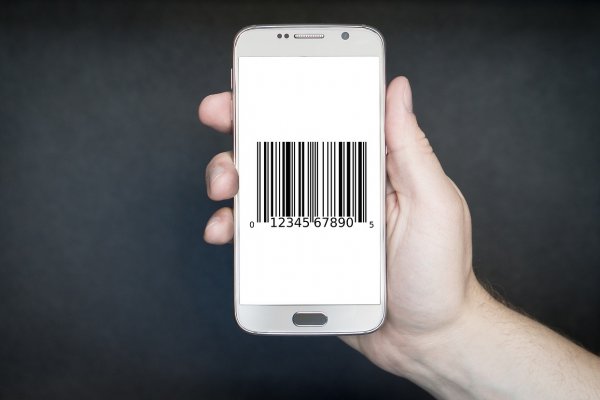
In today's fast-paced logistics environment, barcode scanning technology has evolved from a nice-to-have feature to an absolute necessity. When comparing 3PL providers, their approach to barcode scanning reveals much about their operational sophistication and commitment to accuracy.
Why Barcode Scanning Matters
Barcode scanning serves as the backbone of inventory accuracy and order fulfillment precision. A 3PL equipped with advanced scanning capabilities can offer:
- Real-time inventory visibility: Know exactly what's in stock, where it's located, and when it's moving
- Reduced human error: Eliminate manual data entry mistakes that lead to shipping errors and customer dissatisfaction
- Faster processing times: Streamline receiving, putaway, picking, packing, and shipping operations
- Enhanced traceability: Track individual items throughout the entire supply chain journey
- Seamless integration: Connect warehouse operations with your order management and accounting systems
Evaluating Barcode Scanning Capabilities
When comparing 3PLs, ask these critical questions about their scanning infrastructure:
- What types of barcodes do they support (UPC, EAN, QR codes, custom formats)?
- Do they use mobile scanners, fixed scanners, or both?
- How does their Warehouse Management System (WMS) integrate with scanning technology?
- Can they accommodate serialized inventory tracking for high-value or regulated products?
- What is their scanning accuracy rate, and how do they measure it?
A 3PL that invests in cutting-edge scanning technology demonstrates a commitment to operational excellence that will benefit your business in the long term.
Protecting Your Business: Risk Management in 3PL Partnerships
Every supply chain faces risks—from natural disasters and cybersecurity threats to labor shortages and quality control issues. When you outsource logistics operations to a 3PL, you're not eliminating these risks; you're transferring responsibility for managing them. Therefore, evaluating a 3PL's risk management capabilities should be a top priority in your selection process.
Key Risk Management Components
A comprehensive 3PL risk management program should address multiple dimensions:
Insurance and Liability Coverage
Verify that potential 3PL partners maintain adequate insurance coverage, including:
- General liability insurance
- Cargo insurance for goods in transit and storage
- Workers' compensation coverage
- Errors and omissions insurance
- Cyber liability insurance for data breaches
Business Continuity Planning
Ask prospective 3PLs about their disaster recovery and business continuity plans. How quickly can they resume operations after a facility disruption? Do they have backup facilities or partnerships with other providers? What redundancies exist in their systems and processes?
Quality Control Protocols
Strong quality control measures minimize the risk of shipping errors, damaged goods, and customer complaints. Look for 3PLs with documented quality processes, regular audits, and continuous improvement programs.
Data Security and Compliance
In an era of increasing cyber threats and stringent regulations, data security cannot be overlooked. Ensure your 3PL partner maintains robust cybersecurity measures and complies with relevant industry standards like SOC 2, ISO certifications, and industry-specific regulations.
Assessing Risk Management Maturity
During the evaluation process, request documentation of the 3PL's risk management policies and ask for examples of how they've handled disruptions in the past. Providers using platforms like www.search3pl.com often provide transparency into their capabilities, making comparison easier.
B2B Logistics: A Different Beast Entirely
While many 3PLs excel at direct-to-consumer (D2C) fulfillment, B2B logistics requires a distinctly different skill set. If your business serves other businesses, ensuring your 3PL partner understands B2B complexities is essential.
Unique B2B Requirements
B2B logistics differs from B2C in several fundamental ways:
- Order size and complexity: B2B orders typically involve larger quantities, multiple SKUs, and pallet-level shipments rather than individual parcels
- Custom packaging and labeling: Retail compliance requirements demand specific packaging, labeling, and documentation standards
- Appointment scheduling: Deliveries to business locations often require scheduled appointments and may have specific receiving window requirements
- EDI capabilities: Electronic Data Interchange (EDI) integration is often mandatory for communicating with larger retail partners
- Invoice and documentation requirements: B2B transactions typically require detailed invoicing, packing slips, and commercial documentation
Evaluating B2B Expertise
When comparing 3PL providers for B2B capabilities, consider these factors:
Does the 3PL have experience with your specific retail partners or industry vertical? Can they demonstrate successful relationships with similar B2B clients? What percentage of their business is B2B versus B2C?
Additionally, examine their infrastructure for handling B2B requirements. Do they have the equipment for palletizing orders? Can their systems generate retail-compliant labels and documentation? How do they manage routing compliance for major retailers?
Many businesses discover through resources like www.search3pl.com that specialized B2B 3PLs often deliver better results than generalist providers, even if they charge slightly higher rates.
Transportation: The Critical Link in Your Supply Chain
A 3PL's transportation capabilities and carrier relationships directly impact your delivery performance, costs, and customer satisfaction. Comprehensive transportation management should be a cornerstone of your 3PL evaluation criteria.
Transportation Service Levels
Different 3PLs offer varying levels of transportation services:
Basic Carrier Integration
At minimum, your 3PL should integrate with major carriers (UPS, FedEx, USPS, regional carriers) and provide competitive shipping rates through their volume discounts.
Multi-Carrier Optimization
More sophisticated 3PLs use technology to automatically select the most cost-effective carrier for each shipment based on destination, weight, dimensions, and service level requirements.
Freight Management
For B2B operations or bulk shipments, look for 3PLs with strong less-than-truckload (LTL) and full-truckload (FTL) capabilities, including consolidation services that can reduce freight costs.
International Shipping
If you ship globally, verify that your 3PL has expertise in customs documentation, duty and tax calculation, and international carrier relationships.
Transportation Technology
Advanced 3PLs leverage transportation management systems (TMS) that provide:
- Real-time rate shopping across multiple carriers
- Automated label generation and documentation
- Shipment tracking and exception management
- Analytics and reporting on shipping performance and costs
- Returns management and reverse logistics capabilities
Carrier Relationships and Performance
Beyond technology, evaluate the 3PL's carrier relationships. Established 3PLs with significant shipping volume can negotiate better rates and receive priority service during peak seasons. Ask about their on-time delivery rates, damage rates, and how they handle carrier performance issues.
Making Your Final 3PL Selection
Comparing 3PL providers requires a systematic approach that goes beyond price comparison. By thoroughly evaluating barcode scanning technology, risk management protocols, B2B capabilities, and transportation solutions, you can identify partners that align with your operational needs and strategic objectives.
Creating Your Evaluation Framework
Develop a scorecard that weights these four criteria according to your business priorities. A B2B-focused manufacturer might weight B2B expertise and transportation more heavily, while a high-value product company might prioritize barcode scanning accuracy and risk management.
The RFP Process
Issue detailed requests for proposals (RFPs) that require 3PLs to address each criterion specifically. Include scenario-based questions that reveal how they would handle your unique requirements. Request facility tours, technology demonstrations, and references from clients with similar needs.
Building a Partnership, Not Just Selecting a Vendor
Remember that selecting a 3PL is about building a strategic partnership, not just outsourcing a function. The right 3PL becomes an extension of your team, contributing to your competitive advantage through operational excellence, innovation, and shared commitment to customer satisfaction.
Take the time to thoroughly compare options, ask difficult questions, and verify capabilities before making your decision. The investment in a comprehensive selection process pays dividends through improved operational performance, reduced costs, and enhanced customer experiences for years to come.


