
How Fulfilment Warehouses Drive D2C Success in 2024
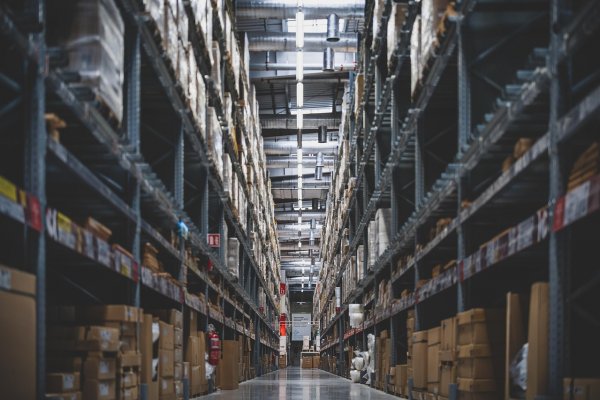
The direct-to-consumer (D2C) revolution has fundamentally transformed how brands connect with their customers. As ecommerce continues its exponential growth, the fulfilment warehouse has emerged as the critical backbone supporting successful D2C operations. Today's modern fulfilment centers are sophisticated operations that combine advanced technology, strategic storage solutions, and digital marketing awareness to deliver exceptional customer experiences.
Understanding how these elements work together can mean the difference between a thriving D2C brand and one struggling to meet customer expectations. Let's explore the essential components that make modern fulfilment warehouses the powerhouse behind successful direct-to-consumer businesses.
The D2C Fulfilment Revolution
Direct-to-consumer fulfilment represents a seismic shift from traditional retail distribution models. Rather than shipping pallets to retail stores, D2C fulfilment warehouses handle individual customer orders with precision and speed. This fundamental change requires entirely different operational approaches, technology investments, and strategic thinking.
Why D2C Brands Need Specialized Fulfilment
Traditional wholesale fulfilment and D2C operations are worlds apart. When you're shipping directly to customers, every interaction becomes a brand touchpoint. The packaging, delivery speed, accuracy, and even the unboxing experience all contribute to customer satisfaction and repeat purchases.
Key differences in D2C fulfilment include:
- Individual order picking versus bulk case picking
- Branded packaging and personalized inserts
- Same-day or next-day shipping expectations
- Direct customer communication about shipment status
- Higher volume of smaller, more frequent orders
- Complex returns management processes
Modern fulfilment warehouses supporting D2C brands must excel at all these touchpoints while maintaining cost efficiency. This is where strategic partnerships with experienced 3PL providers become invaluable, and resources like www.search3pl.com help brands identify the right fulfilment partner for their specific needs.
WMS Software: The Digital Brain of Modern Fulfilment
Warehouse Management System (WMS) software has evolved from simple inventory tracking tools to sophisticated platforms that orchestrate every aspect of fulfilment operations. For D2C brands, the right WMS can dramatically impact customer satisfaction, operational costs, and scalability potential.
Core WMS Capabilities for D2C Success
A robust WMS provides real-time visibility into inventory levels, order status, and warehouse operations. This transparency enables D2C brands to make informed decisions about inventory replenishment, promotional campaigns, and customer commitments.
Essential WMS features for D2C fulfilment include:
- Real-time inventory synchronization across all sales channels
- Intelligent order routing and wave planning
- Barcode scanning for picking accuracy
- Integration with major ecommerce platforms and marketplaces
- Returns management and restocking workflows
- Advanced reporting and analytics capabilities
- Mobile device compatibility for warehouse staff
Integration and Automation
The most powerful WMS platforms seamlessly integrate with ecommerce platforms, shipping carriers, and accounting systems. This integration eliminates manual data entry, reduces errors, and enables automation of routine tasks. When orders flow automatically from your online store to the warehouse floor, you eliminate delays and improve accuracy.
Advanced WMS systems can also predict inventory needs based on historical data, seasonal trends, and current sales velocity. This predictive capability helps D2C brands avoid stockouts during peak periods while minimizing excess inventory carrying costs.
Strategic Racking Storage Solutions
While WMS software provides the intelligence, physical racking storage systems provide the infrastructure that makes efficient fulfilment possible. The right racking configuration can dramatically improve picking efficiency, inventory density, and overall warehouse productivity.
Racking Systems for D2C Operations
D2C fulfilment requires different storage approaches than traditional wholesale operations. Since you're picking individual items rather than full cases or pallets, your racking system must optimize for piece-level accessibility and picking efficiency.
Popular racking systems for D2C fulfilment warehouses:
- Selective pallet racking: Offers direct access to every pallet position, ideal for slow to medium-moving SKUs
- Shelving units: Perfect for small items and individual piece picking
- Flow racks: Gravity-fed systems that improve picking speed for fast-moving items
- Mezzanine floors: Maximize vertical space without expanding warehouse footprint
- Mobile racking systems: Increase storage density by eliminating unnecessary aisles
Optimizing Layout for Efficiency
The strategic placement of products within your racking system directly impacts picking efficiency. Fast-moving items should occupy prime locations near packing stations, while slower-moving SKUs can be stored in less accessible areas. This ABC analysis approach, powered by WMS data, ensures your most popular products are always within easy reach.
Proper racking configuration also improves workplace safety, reduces product damage, and enables better inventory visibility. When combined with WMS software that directs pickers to optimal locations, the right racking system becomes a competitive advantage.
SEO and Fulfilment: The Unexpected Connection
While SEO might seem disconnected from warehouse operations, savvy D2C brands recognize that fulfilment performance directly impacts search engine rankings and digital marketing success. This connection manifests in several important ways.
Fulfilment Speed and Customer Reviews
Search engines increasingly prioritize user experience signals, and customer reviews represent one of the strongest SEO factors. Fast, accurate fulfilment leads to positive reviews, which boost both conversion rates and search rankings. Conversely, shipping delays and order errors generate negative reviews that can tank your SEO performance.
Your fulfilment warehouse's ability to consistently deliver orders quickly and accurately directly influences the review signals that impact your search visibility. This makes choosing the right fulfilment partner a critical SEO decision.
Geographic Distribution and Local SEO
Strategic warehouse location affects both shipping costs and delivery speeds. D2C brands increasingly use multiple fulfilment centers positioned near major population centers to offer faster delivery at lower costs. This geographic distribution strategy also supports local SEO efforts and enables region-specific marketing campaigns.
When evaluating fulfilment partners, platforms like www.search3pl.com allow you to compare providers based on location, helping you build a distribution network that supports both operational efficiency and SEO strategy.
Content and Product Availability
Nothing damages SEO performance faster than out-of-stock products. Search engines deprioritize pages for unavailable products, and customers who encounter stockouts rarely return. Your WMS software should integrate with your ecommerce platform to automatically update product availability, ensuring search engines only index available products.
Building an Integrated D2C Fulfilment Strategy
The most successful D2C brands view fulfilment as a holistic system where WMS software, racking storage, operational processes, and digital marketing work in concert. This integrated approach delivers superior results across all performance metrics.
Technology as the Foundation
Start with robust WMS software that can scale with your business. Your system should integrate seamlessly with all sales channels, provide real-time inventory visibility, and offer the analytics needed for continuous improvement. Don't underestimate the importance of user-friendly interfaces that warehouse staff can master quickly.
Physical Infrastructure That Supports Growth
Design your racking storage system for flexibility. Your product mix will evolve, and your storage solution should adapt accordingly. Modular racking systems that can be reconfigured without major disruption provide the agility D2C brands need in dynamic markets.
Processes That Scale
Document standard operating procedures for receiving, putaway, picking, packing, and shipping. These processes should be optimized for accuracy and speed while remaining simple enough for new staff to learn quickly. Regular process audits identify bottlenecks before they impact customer satisfaction.
Measuring Fulfilment Success
Data-driven decision making separates high-performing D2C brands from struggling competitors. Your WMS should track key performance indicators that reveal both operational efficiency and customer impact.
Critical fulfilment metrics include:
- Order accuracy rate (target: 99.5% or higher)
- Average time from order to shipment
- Inventory accuracy percentage
- Cost per order fulfilled
- On-time shipping percentage
- Returns as percentage of orders
- Customer satisfaction scores
Review these metrics weekly and investigate any negative trends immediately. Small improvements in accuracy or speed compound over thousands of orders, dramatically impacting both costs and customer satisfaction.
Conclusion: The Future of D2C Fulfilment
As D2C commerce continues growing, fulfilment warehouses will become increasingly sophisticated. Artificial intelligence will optimize picking routes, robotics will handle repetitive tasks, and predictive analytics will prevent stockouts before they occur. However, the fundamental principles remain constant: accurate inventory management through WMS software, efficient storage via strategic racking solutions, and recognition that fulfilment excellence supports every aspect of business success, including SEO performance.
For D2C brands at any stage of growth, investing in proper fulfilment infrastructure pays dividends in customer satisfaction, operational efficiency, and competitive positioning. Whether you're managing fulfilment in-house or partnering with a 3PL provider, understanding these core components ensures you're building a foundation for sustainable growth in the competitive D2C landscape.


