
How 3PL Partners Transform Modern Import and D2C Operations
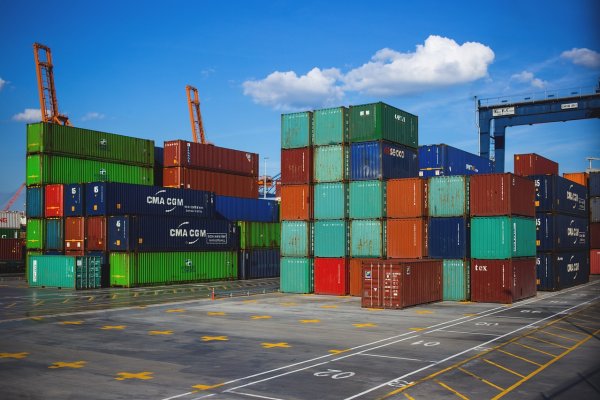
The e-commerce landscape has undergone a seismic shift in recent years, with businesses increasingly bypassing traditional retail channels to connect directly with consumers. As brands navigate the complexities of international sourcing, regulatory compliance, and last-mile delivery, third-party logistics providers have emerged as indispensable partners in this new commercial ecosystem. Understanding how 3PL services intersect with imports, business-to-consumer operations, and regulatory requirements has become essential knowledge for any modern business leader.
The Evolution of Third-Party Logistics in E-Commerce
Third-party logistics providers have transformed from simple warehousing operations into sophisticated technology-driven partners that manage entire supply chains. Today's 3PLs offer end-to-end solutions that encompass everything from international shipping coordination to individual package delivery, providing businesses with the infrastructure they need to compete in a global marketplace without massive capital investment.
The rise of direct-to-consumer brands has particularly accelerated this evolution. Companies that once relied on retail distribution now need fulfillment capabilities that can handle individual orders shipped directly to customers' doorsteps. This fundamental shift has pushed 3PL providers to develop specialized services tailored to the unique demands of modern commerce.
Navigating the Import Landscape with 3PL Expertise
For businesses sourcing products internationally, the import process presents numerous challenges that can derail even the most promising ventures. 3PL providers specializing in imports bring invaluable expertise to this complex arena, managing everything from customs clearance to freight forwarding.
Streamlining International Shipping
When products cross international borders, businesses face a labyrinth of documentation, tariffs, and logistics coordination. Professional 3PL partners maintain established relationships with carriers, customs brokers, and freight forwarders across multiple countries, enabling them to:
- Negotiate favorable shipping rates through volume discounts
- Select optimal transportation methods based on cost, speed, and product requirements
- Manage multi-modal shipping arrangements seamlessly
- Provide real-time tracking and visibility throughout the shipping process
- Handle last-mile delivery coordination in destination countries
Customs Clearance and Documentation
The paperwork associated with international imports can overwhelm businesses new to global sourcing. Experienced 3PL providers understand the intricacies of customs documentation, including commercial invoices, packing lists, certificates of origin, and product-specific permits. Their expertise helps prevent costly delays at ports of entry and ensures products reach warehouses on schedule.
Compliance: The Non-Negotiable Foundation
Regulatory compliance represents one of the most critical—and frequently underestimated—aspects of modern logistics operations. The consequences of compliance failures can be severe, ranging from shipment seizures and financial penalties to reputational damage and legal liability.
International Trade Compliance
When importing goods, businesses must navigate a complex web of regulations that vary by country, product category, and even specific materials used in manufacturing. Compliance-focused 3PL providers maintain current knowledge of:
- Import duties and tariff classifications under Harmonized System codes
- Country-specific import restrictions and prohibited items
- Free trade agreements and preferential tariff programs
- Anti-dumping regulations and trade remedies
- Sanctioned countries and restricted party screening
Product Safety and Labeling Requirements
Different markets impose varying requirements for product safety testing, certification, and labeling. A 3PL partner with compliance expertise can help ensure products meet destination country standards before they're shipped, preventing costly returns or recalls. This includes understanding requirements for consumer product safety certifications, ingredient disclosures, warning labels, and language-specific packaging.
Data Privacy and Security Compliance
In the digital age, logistics operations involve significant data handling, including customer information that may be subject to privacy regulations like GDPR, CCPA, or similar frameworks. Quality 3PL providers implement robust data security measures and maintain compliance with applicable privacy laws, protecting both businesses and their customers.
B2C Fulfillment: Meeting Consumer Expectations
The business-to-consumer model places unique demands on fulfillment operations. Unlike bulk shipments to retail locations, B2C fulfillment requires handling numerous individual orders with varying destinations, products, and delivery preferences—all while meeting increasingly high consumer expectations for speed and accuracy.
Order Processing and Accuracy
B2C operations demand exceptional picking and packing accuracy. A single mistake—sending the wrong item or an incomplete order—can result in negative reviews that damage brand reputation. Professional 3PL warehouses employ sophisticated warehouse management systems, barcode scanning, and quality control checkpoints to maintain accuracy rates above 99.9%.
Multi-Channel Integration
Modern consumers shop across multiple platforms—brand websites, marketplaces like Amazon and eBay, social commerce channels, and mobile apps. Effective 3PL partners offer integration capabilities that consolidate orders from all channels into a single fulfillment workflow, preventing inventory discrepancies and enabling businesses to manage operations from a unified dashboard.
Returns Management
Product returns are an inevitable aspect of B2C commerce, with rates often reaching 20-30% in categories like apparel. A comprehensive 3PL solution includes reverse logistics capabilities that process returns efficiently, update inventory quickly, and provide visibility into return reasons—valuable data that can inform product development and quality improvements.
D2C: The Direct-to-Consumer Revolution
Direct-to-consumer brands represent the fastest-growing segment of e-commerce, with companies choosing to sell directly to customers rather than through intermediaries. This model offers higher margins and direct customer relationships but requires robust fulfillment capabilities that many growing brands lack internally.
Scalability Without Capital Investment
One of the primary advantages of partnering with a 3PL for D2C operations is the ability to scale fulfillment capacity without the massive investment required to build proprietary warehouses. As order volumes fluctuate seasonally or during promotional periods, 3PL infrastructure flexes to accommodate demand spikes without requiring long-term commitments to unused space.
Geographic Distribution
D2C brands seeking to offer fast, affordable shipping benefit enormously from 3PLs with multiple warehouse locations. By strategically distributing inventory across regional fulfillment centers, businesses can position products closer to customers, reducing both shipping costs and delivery times. Platforms like www.search3pl.com help companies identify providers with appropriate geographic coverage for their target markets.
Value-Added Services
D2C brands often differentiate themselves through premium unboxing experiences and personalized touches. Forward-thinking 3PL providers offer value-added services including:
- Custom packaging and branded inserts
- Gift wrapping and personalized notes
- Kitting and bundling of promotional sets
- Quality inspections and product photography
- Subscription box assembly and management
Technology Integration: The Digital Backbone
Modern 3PL relationships succeed or fail based largely on technology integration. The best partnerships feature seamless data exchange between the brand's systems and the 3PL's warehouse management and order management platforms.
Real-time inventory visibility enables accurate product availability on e-commerce sites, preventing overselling. Automated order transmission eliminates manual data entry and accelerates fulfillment. Tracking information flows back to customers immediately, and analytics dashboards provide insights into fulfillment performance, shipping costs, and operational efficiency.
Selecting the Right 3PL Partner
With thousands of logistics providers worldwide, identifying the right partner requires careful evaluation of several factors beyond simple price comparisons. Businesses should consider:
- Import expertise: Does the provider have demonstrated experience with your source countries and product categories?
- Compliance capabilities: What systems and processes ensure ongoing regulatory compliance?
- Technology platform: How robust is their integration with your sales channels and internal systems?
- Scalability: Can they accommodate your growth trajectory and seasonal fluctuations?
- Geographic coverage: Do their warehouse locations align with your customer base?
- Specialized services: Do they offer the value-added services your brand requires?
Resources like www.search3pl.com provide structured comparison tools that help businesses evaluate providers across these critical dimensions, streamlining what can otherwise be an overwhelming selection process.
Conclusion: Strategic Partnership for Competitive Advantage
In today's complex commercial environment, the right 3PL relationship represents far more than outsourced warehousing—it's a strategic partnership that can determine whether a business successfully scales or struggles with operational challenges. By bringing expertise in imports, ensuring compliance with ever-changing regulations, and delivering the B2C and D2C fulfillment excellence that consumers demand, quality 3PL providers enable brands to focus on their core competencies: product development, marketing, and customer relationships.
As e-commerce continues evolving and consumer expectations continue rising, the businesses that thrive will be those that recognize logistics not as a back-office function but as a critical competitive differentiator. Choosing the right 3PL partner—one that brings deep expertise across imports, compliance, and modern fulfillment models—positions businesses for sustainable growth in an increasingly competitive marketplace.


