
Fulfilment Warehouses: The Shocking Truth Behind Success
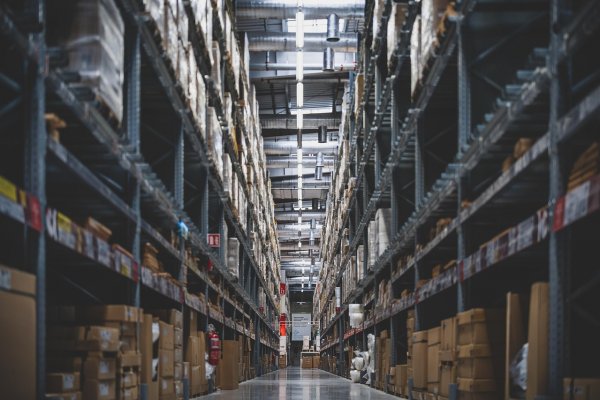
In today's hyper-competitive ecommerce landscape, the difference between thriving businesses and those that struggle often comes down to one critical factor: fulfilment efficiency. Behind every successful online retailer stands a robust fulfilment warehouse operation that seamlessly manages inventory, coordinates with carriers like DPD, integrates with Amazon FBA, and optimizes postage costs. The shocking truth? Most businesses are leaving money on the table by not leveraging these systems effectively.
Understanding how fulfilment warehouses operate and how they integrate with modern logistics solutions can transform your business overnight. This comprehensive guide reveals everything you need to know about maximizing your fulfilment operations.
Understanding the Modern Fulfilment Warehouse
A fulfilment warehouse is far more than just a storage facility. It's a sophisticated operation that serves as the nerve center of your ecommerce business, handling everything from receiving inventory to packing orders and coordinating shipments. The modern fulfilment warehouse is a technology-driven ecosystem that connects your business with customers worldwide.
Core Functions of a Fulfilment Warehouse
- Receiving and Storage: Accepting inventory from manufacturers and storing it in optimized locations
- Inventory Management: Tracking stock levels in real-time across multiple channels
- Order Processing: Picking, packing, and preparing orders for shipment
- Shipping Coordination: Managing relationships with carriers and selecting optimal shipping methods
- Returns Processing: Handling returned merchandise and restocking inventory
- Reporting and Analytics: Providing insights into inventory turnover, shipping costs, and operational efficiency
The DPD Advantage in Fulfilment Operations
When it comes to reliable shipping partners, DPD (Dynamic Parcel Distribution) has established itself as a premier choice for fulfilment warehouses across Europe and beyond. The integration between fulfilment operations and DPD services creates a powerful synergy that benefits businesses of all sizes.
Why Fulfilment Warehouses Choose DPD
DPD offers several compelling advantages that make it an ideal partner for fulfilment operations. Their Predict service provides customers with a one-hour delivery window, dramatically reducing failed deliveries and improving customer satisfaction. This feature alone can decrease customer service inquiries by up to 30%.
The carrier's extensive network covers over 230 countries and territories, enabling fulfilment warehouses to offer truly global shipping capabilities. DPD's technology platform integrates seamlessly with warehouse management systems, allowing for automated label generation, tracking updates, and real-time shipment visibility.
DPD Integration Benefits
- Automated shipping label generation reducing processing time
- Real-time tracking information for complete transparency
- Flexible delivery options including next-day and Saturday delivery
- Competitive pricing structures for high-volume shippers
- Carbon-neutral shipping options for environmentally conscious brands
- Seamless returns management through DPD Pickup network
Navigating Amazon FBA Through Your Fulfilment Warehouse
Amazon's Fulfilment by Amazon (FBA) program represents both an opportunity and a challenge for ecommerce businesses. Many successful companies use a hybrid approach, maintaining their own fulfilment warehouse while also leveraging FBA for specific products or markets. Understanding how these systems complement each other is crucial for optimization.
The FBA Integration Strategy
A sophisticated fulfilment warehouse can serve as your FBA prep center, handling the complex requirements Amazon imposes on inventory entering their system. This includes proper labeling, packaging standards, and shipment consolidation. By managing FBA inventory through your fulfilment warehouse first, you gain several strategic advantages.
Your warehouse can perform quality control checks before items reach Amazon, reducing the risk of inventory issues that could result in account suspensions. Additionally, you maintain better visibility over your entire inventory ecosystem, whether products are in your warehouse, in transit to Amazon, or already in FBA facilities.
Multi-Channel Fulfilment Excellence
The most successful ecommerce operations use their fulfilment warehouse as a central hub while strategically placing inventory in FBA for fast Amazon Prime delivery. This approach allows you to:
- Fulfil orders from your own website through your warehouse
- Serve Amazon customers through FBA
- Maintain backup inventory outside Amazon's control
- Reduce dependency on any single fulfilment channel
- Optimize storage costs by keeping slow-moving items in your warehouse
Platforms like www.search3pl.com can help you identify fulfilment partners capable of managing these complex multi-channel strategies effectively.
Mastering Inventory Management Systems
Perhaps the most critical component of fulfilment warehouse operations is robust inventory management. Poor inventory control leads to stockouts, overselling, dead stock, and ultimately, lost revenue and disappointed customers. Modern inventory management systems have evolved into sophisticated platforms that provide unprecedented visibility and control.
Real-Time Inventory Tracking
Contemporary fulfilment warehouses employ barcode scanning or RFID technology to track every item movement. When inventory arrives, it's immediately logged into the system. As orders are processed, stock levels automatically adjust across all sales channels simultaneously. This real-time synchronization prevents the nightmare scenario of selling products you don't actually have.
Advanced Inventory Management Features
Modern systems offer capabilities that go far beyond simple stock counting:
- Demand Forecasting: AI-powered predictions of future inventory needs based on historical data and trends
- Automated Reordering: Triggering purchase orders when stock reaches predetermined thresholds
- Batch and Expiry Tracking: Essential for products with limited shelf life
- Multi-Location Management: Coordinating inventory across multiple warehouses and FBA centers
- Kitting and Bundling: Managing composite products made from multiple SKUs
- Cycle Counting: Continuous inventory auditing to maintain accuracy
The Cost of Poor Inventory Management
The financial impact of inadequate inventory control is staggering. Industry research indicates that inventory distortion costs retailers billions annually through overstocks, stockouts, and shrinkage. For individual businesses, poor inventory management can mean the difference between profitability and failure.
Optimizing Postage Costs and Strategies
Postage represents one of the largest variable costs in ecommerce operations, often accounting for 10-20% of total revenue. Yet many businesses treat shipping as an afterthought rather than a strategic lever for competitive advantage. Sophisticated postage optimization can dramatically improve your bottom line while enhancing customer satisfaction.
The Multi-Carrier Approach
Relying on a single carrier is a strategic mistake. Fulfilment warehouses that partner with multiple carriers—including DPD, Royal Mail, UPS, FedEx, and regional specialists—gain flexibility to select the optimal service for each shipment based on destination, weight, urgency, and cost.
Advanced fulfilment operations use carrier selection algorithms that automatically choose the most cost-effective option for each order while meeting customer delivery expectations. This dynamic approach can reduce shipping costs by 15-30% compared to single-carrier strategies.
Postage Cost Reduction Strategies
- Negotiate Volume Discounts: Fulfilment warehouses ship thousands of packages, leveraging that volume for better rates
- Zone Skipping: Consolidating shipments to regional hubs before final delivery
- Dimensional Weight Optimization: Right-sizing packaging to avoid unnecessary charges
- Delivery Speed Options: Offering customers choice between speed and cost
- Shipping Threshold Strategies: Setting free shipping minimums that increase average order value
- Returns Consolidation: Efficient processing of returns to recapture value from reverse logistics
The Postage Technology Stack
Modern fulfilment warehouses integrate sophisticated shipping software that connects with carrier APIs, shopping carts, and warehouse management systems. This technology enables automatic rate shopping, label printing, tracking number assignment, and customer notification—all without manual intervention.
Choosing the Right Fulfilment Warehouse Partner
Selecting a fulfilment warehouse partner is one of the most consequential decisions an ecommerce business will make. The right partner becomes an extension of your brand, while the wrong one can damage your reputation and drain your resources.
Critical Selection Criteria
When evaluating fulfilment warehouse providers, consider these essential factors:
- Technology Integration: Seamless connection with your ecommerce platform and sales channels
- Carrier Relationships: Established partnerships with quality carriers like DPD
- FBA Expertise: Experience managing Amazon seller requirements
- Scalability: Ability to handle growth and seasonal fluctuations
- Location Strategy: Geographic positioning to minimize shipping zones and times
- Pricing Transparency: Clear fee structures without hidden charges
- Customer Service: Responsive support when issues arise
- Value-Added Services: Capabilities like kitting, custom packaging, and gift wrapping
Resources like www.search3pl.com provide comprehensive directories and comparison tools to help identify fulfilment partners that match your specific requirements and budget.
The Future of Fulfilment Warehousing
The fulfilment industry continues to evolve rapidly, driven by advancing technology and changing customer expectations. Automation, artificial intelligence, and robotics are transforming warehouse operations, enabling faster processing times and reduced error rates.
Sustainability has emerged as a critical concern, with customers increasingly favoring businesses that demonstrate environmental responsibility. Forward-thinking fulfilment warehouses are implementing eco-friendly packaging, optimizing routes to reduce carbon emissions, and partnering with carriers offering carbon-neutral shipping options.
Same-day and next-day delivery expectations continue to rise, requiring fulfilment networks to position inventory closer to customers and operate with unprecedented efficiency. The businesses that thrive will be those that partner with fulfilment warehouses capable of meeting these evolving demands.
Conclusion: The Strategic Imperative
The shocking truth about fulfilment warehouses is that they're not merely operational necessities—they're strategic assets that can provide sustainable competitive advantages. By leveraging carrier partnerships like DPD, strategically integrating with FBA, implementing sophisticated inventory management systems, and optimizing postage strategies, businesses can dramatically improve customer satisfaction while reducing costs.
The ecommerce landscape will only become more competitive. The businesses that invest in professional fulfilment warehouse partnerships today position themselves for long-term success, while those that continue handling fulfilment in-house or partnering with inadequate providers will struggle to keep pace.
Your fulfilment operation is the physical manifestation of your brand promise to customers. Make it count.


