
Fulfilment Warehouse Solutions for Modern UK Ecommerce Businesses
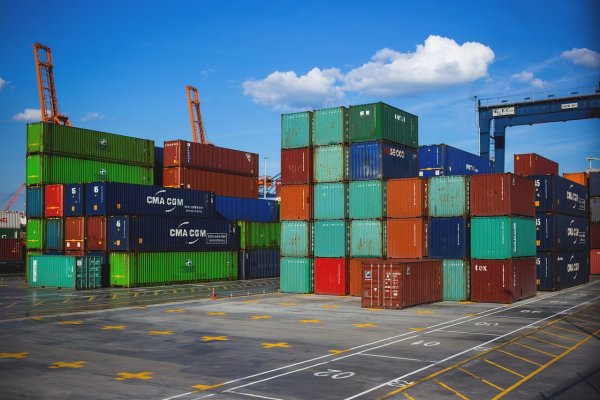
The exponential growth of ecommerce has transformed how businesses manage their inventory, shipping, and customer satisfaction. At the heart of this transformation lies the fulfilment warehouse, a sophisticated operation that bridges the gap between online orders and delighted customers. For UK-based businesses seeking to scale efficiently, understanding the components of modern fulfilment operations—from DPD partnerships to import services—has become essential for competitive success.
Understanding the Fulfilment Warehouse Ecosystem
A fulfilment warehouse serves as the operational backbone of ecommerce businesses, managing everything from product storage to order processing and shipping coordination. Unlike traditional warehouses that simply store goods, modern fulfilment centres are dynamic environments equipped with advanced technology, streamlined processes, and integrated carrier relationships that enable rapid order fulfilment.
The complexity of running a fulfilment warehouse requires specialized expertise in inventory management, pick-and-pack operations, quality control, and logistics coordination. This is where 3PL ecommerce fulfilment UK providers demonstrate their value, offering businesses a complete outsourced solution that eliminates the need for substantial capital investment in infrastructure and personnel.
The Strategic Advantage of Outsourced Fulfilment
For growing ecommerce businesses, the decision to partner with a fulfilment warehouse represents a strategic inflection point. Rather than allocating resources to warehouse space, staffing, equipment, and shipping negotiations, businesses can focus on their core competencies—product development, marketing, and customer relationships—while logistics experts handle the operational complexity.
DPD Integration: Premium Delivery Solutions
One of the most critical partnerships within fulfilment operations involves courier selection, and DPD has established itself as a premium carrier choice for UK businesses. The DPD network offers several advantages that make it particularly attractive for fulfilment warehouse integration:
- Predict service: DPD's signature one-hour delivery window notification gives customers unprecedented visibility and control over their deliveries
- Next-day delivery coverage: Extensive UK network enabling next-day delivery to over 98% of UK postcodes
- Saturday delivery options: Extended delivery windows that accommodate modern consumer expectations
- Parcel tracking: Real-time tracking capabilities that reduce customer service inquiries
- Environmental credentials: DPD's commitment to carbon-neutral delivery appeals to environmentally conscious consumers
When a fulfilment warehouse maintains a strong partnership with DPD, businesses benefit from preferential shipping rates, seamless systems integration, and reliable service levels that enhance customer satisfaction. The technical integration between warehouse management systems and DPD's API enables automatic label generation, tracking updates, and exception management without manual intervention.
Multi-Carrier Strategy Benefits
While DPD offers exceptional service, sophisticated fulfilment warehouses typically maintain relationships with multiple carriers. This approach provides flexibility in pricing, service levels, and geographic coverage. For businesses exploring options through platforms like www.search3pl.com, understanding a potential fulfilment partner's carrier relationships should form part of the evaluation criteria.
Import UK Services: Gateway to International Markets
The globalized nature of modern commerce means many UK businesses source products internationally while selling domestically. Import UK services provided by fulfilment warehouses represent a crucial capability that simplifies the complexity of international logistics.
Comprehensive Import Handling
A fulfilment warehouse with import expertise manages several critical functions:
- Customs clearance: Navigating the documentation, duties, and regulations that govern international shipments entering the UK
- Port coordination: Managing relationships with shipping lines and freight forwarders to receive containerized goods
- Quality inspection: Examining imported goods upon arrival to verify quality and quantity match purchase orders
- Inventory reception: Processing incoming stock into warehouse management systems for immediate availability
- Consolidation services: Combining shipments from multiple suppliers to optimize container utilization and reduce costs
The post-Brexit landscape has made import expertise even more valuable for UK businesses. Fulfilment warehouses with established customs brokerage relationships and proven documentation processes can navigate the additional complexity while minimizing delays and unexpected costs.
Landed Cost Transparency
Understanding the true landed cost of imported inventory—including product cost, shipping, duties, and handling fees—is essential for profitable pricing strategies. Experienced fulfilment partners provide detailed cost breakdowns that enable accurate financial planning and inventory valuation.
Picking Bins: The Foundation of Efficient Order Fulfilment
While less visible than courier partnerships or import capabilities, the humble picking bin represents a fundamental component of efficient warehouse operations. These storage solutions directly impact picking speed, accuracy, and overall operational efficiency.
Picking Bin Systems and Methodologies
Modern fulfilment warehouses employ various picking bin configurations based on inventory characteristics and order profiles:
- Single-SKU bins: Dedicated bins for individual products facilitate rapid location and minimize picking errors
- Multi-level shelving: Vertical storage solutions maximize cubic space utilization in expensive warehouse environments
- Forward pick locations: High-velocity items positioned in accessible zones to accelerate order processing
- Bulk storage integration: Systems that replenish forward picking bins from reserve storage locations
- Slotting optimization: Strategic product placement based on velocity, size, and order frequency patterns
The effectiveness of picking bin organization becomes apparent in operational metrics. Well-designed systems enable pick rates exceeding 100 items per hour while maintaining accuracy rates above 99.5%—standards that directly translate to customer satisfaction and reduced operational costs.
Technology-Enhanced Picking
Progressive fulfilment warehouses augment physical picking bin infrastructure with technology solutions including barcode scanning, pick-to-light systems, and mobile devices that guide warehouse staff through optimized picking routes. These integrations reduce training time for new staff while improving speed and accuracy across the operation.
3PL Ecommerce Fulfilment UK: Comprehensive Partnership Benefits
The term 3PL ecommerce fulfilment UK encompasses third-party logistics providers specializing in ecommerce order fulfilment within the United Kingdom market. These partnerships offer several layers of value beyond simple warehousing and shipping:
Scalability and Flexibility
Ecommerce businesses experience significant demand fluctuations based on seasonality, marketing campaigns, and market trends. A 3PL relationship provides variable cost structures that scale with business volume, eliminating the fixed costs associated with owned warehouse operations. During peak periods, 3PLs allocate additional resources to maintain service levels, while quieter periods don't leave businesses paying for underutilized capacity.
Technology Access
Enterprise-grade warehouse management systems, inventory tracking platforms, and reporting dashboards require substantial investment when implemented independently. 3PL partnerships provide access to sophisticated technology infrastructure with costs distributed across multiple clients, making advanced capabilities accessible to businesses at every stage of growth.
Geographic Positioning
Strategic warehouse location significantly impacts delivery speed and shipping costs. Established 3PL providers maintain facilities in locations optimized for UK market coverage, often achieving next-day delivery to major population centers while minimizing zone-based shipping charges.
Selecting the Right Fulfilment Warehouse Partner
The decision to partner with a fulfilment warehouse represents a significant commitment that impacts customer experience, operational costs, and business scalability. When evaluating potential partners, businesses should consider several critical factors:
Essential Evaluation Criteria
- Industry specialization: Experience with similar products, order profiles, and compliance requirements
- Technology capabilities: Integration options with your ecommerce platform and business systems
- Carrier relationships: Access to preferred carriers like DPD and negotiated shipping rates
- Import expertise: Demonstrated capability managing international shipments and customs clearance
- Scalability provisions: Capacity to accommodate business growth and seasonal fluctuations
- Service level agreements: Clearly defined performance metrics and accountability measures
- Pricing transparency: Comprehensive cost structures without hidden fees
- References and reputation: Verified testimonials from businesses with similar requirements
Platforms like www.search3pl.com facilitate this evaluation process by providing comparative information across multiple fulfilment providers, enabling businesses to make informed decisions based on comprehensive data rather than limited sampling.
The Partnership Approach
The most successful fulfilment relationships transcend transactional vendor arrangements to become strategic partnerships. Look for providers who demonstrate genuine interest in understanding your business model, growth objectives, and customer expectations. This collaborative approach yields better long-term outcomes than purely price-focused selection criteria.
Future Trends in Fulfilment Warehouse Operations
The fulfilment warehouse sector continues evolving in response to technological advancement and changing consumer expectations. Several emerging trends will shape the industry's future:
Automation integration: Robotic picking systems, automated sorting equipment, and autonomous vehicles are gradually supplementing human labor in fulfilment operations, improving speed and accuracy while addressing labor availability challenges.
Sustainability initiatives: Environmental consciousness is driving adoption of renewable energy, electric vehicle fleets, recyclable packaging materials, and carbon offset programs throughout the fulfilment sector.
Same-day delivery expansion: Consumer expectations continue compressing acceptable delivery timeframes, pushing fulfilment operations toward urban micro-fulfillment centers and hyperlocal inventory positioning.
Omnichannel integration: The blurring boundaries between online and offline retail require fulfilment warehouses to support diverse order sources including direct-to-consumer, marketplace, and retail replenishment simultaneously.
Conclusion
The modern fulfilment warehouse represents far more than simple storage space—it's a sophisticated ecosystem of technology, processes, partnerships, and expertise designed to deliver exceptional ecommerce experiences. From DPD integration that enables premium delivery options to import services that simplify international sourcing, from picking bin configurations that maximize efficiency to comprehensive 3PL partnerships that provide scalable infrastructure, every component contributes to competitive advantage in the demanding ecommerce landscape.
For UK businesses seeking growth, selecting the right fulfilment warehouse partner ranks among the most consequential operational decisions they'll make. By thoroughly evaluating capabilities, understanding the interplay between various fulfilment components, and establishing genuine partnerships with logistics experts, businesses position themselves to meet customer expectations while maintaining operational efficiency and financial discipline.
The investment in understanding fulfilment warehouse operations—and selecting the right partner—pays dividends through enhanced customer satisfaction, reduced operational complexity, and sustainable scalability that supports long-term business objectives.


