
Fulfilment Warehouses: The Shocking Truth Behind Success
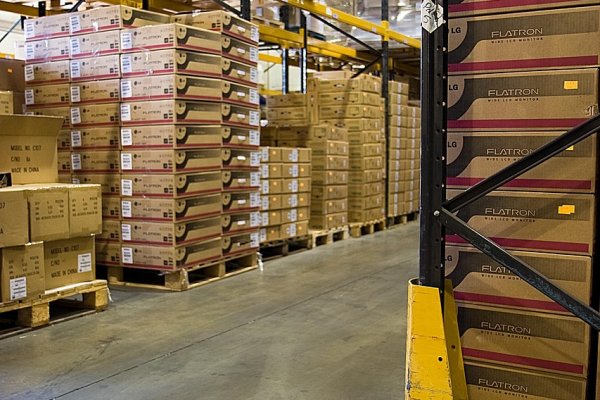
The e-commerce revolution has transformed how businesses operate, but behind every successful online store lies a crucial secret: the fulfilment warehouse. These specialized facilities are the unsung heroes of modern retail, orchestrating the complex dance between inventory management, order processing, and customer satisfaction. Whether you're a growing Shopify merchant or an established Amazon seller, understanding how fulfilment warehouses operate can mean the difference between thriving and merely surviving in today's competitive marketplace.
The Foundation: Understanding Fulfilment Warehouses
A fulfilment warehouse is far more than just a storage facility. It's a sophisticated operation that manages your inventory, processes orders, handles packaging, and coordinates shipping—all while maintaining accuracy and efficiency. These warehouses serve as the physical backbone of e-commerce businesses, enabling companies to scale without the burden of managing their own logistics infrastructure.
Modern fulfilment centres leverage advanced technology, strategic planning, and optimized workflows to ensure products move seamlessly from shelf to customer doorstep. For businesses exploring options, platforms like www.search3pl.com provide valuable resources for comparing different fulfilment providers and their capabilities.
Racking Storage: The Architecture of Efficiency
At the heart of every successful fulfilment warehouse lies a carefully designed racking storage system. This isn't simply about stacking boxes—it's about creating an organized, accessible, and scalable infrastructure that maximizes space utilization while minimizing retrieval time.
Types of Racking Systems
- Selective Pallet Racking: The most common system, offering direct access to every pallet
- Drive-In Racking: High-density storage for products with lower SKU diversity
- Push-Back Racking: Dynamic systems that maximize density while maintaining selectivity
- Cantilever Racking: Ideal for long, bulky items that don't fit standard pallets
- Mezzanine Systems: Multi-level storage solutions that effectively double warehouse space
Strategic Storage Optimization
The placement of products within racking systems follows sophisticated algorithms based on velocity analysis. Fast-moving items are positioned in easily accessible "golden zones" at waist height and near packing stations, while slower-moving inventory occupies higher or deeper storage locations. This strategic approach reduces picking time, minimizes labour costs, and accelerates order fulfilment.
Modern fulfilment warehouses also implement zone picking strategies, where the warehouse is divided into sections, and pickers specialize in specific areas. This reduces travel time and increases familiarity with product locations, leading to faster and more accurate order processing.
Shopify Integration: Seamless E-Commerce Fulfilment
For the millions of merchants using Shopify, fulfilment warehouse integration has become a game-changer. The platform's robust API allows for real-time synchronization between your online store and warehouse operations, creating a seamless flow of information that eliminates manual data entry and reduces errors.
How Shopify-Warehouse Integration Works
When a customer places an order on your Shopify store, the integration automatically transmits order details to the fulfilment warehouse. This triggers a cascade of automated processes:
- Order information is received and validated
- Inventory is allocated and located within the racking system
- Picking instructions are generated for warehouse staff
- Items are collected, verified, and packed
- Shipping labels are automatically generated based on customer location
- Tracking information is sent back to Shopify and forwarded to the customer
- Inventory levels are updated in real-time across all sales channels
Benefits of Shopify Fulfilment Integration
The integration between Shopify and fulfilment warehouses offers transformative advantages. Merchants gain access to discounted shipping rates through the warehouse's carrier relationships, eliminate the need for physical storage space, and can focus on growth rather than logistics. Real-time inventory synchronization prevents overselling, while automated order processing reduces human error and speeds up delivery times.
Perhaps most importantly, this integration enables scalability. During peak seasons or viral product launches, fulfilment warehouses can handle volume spikes that would overwhelm in-house operations, ensuring customer satisfaction remains consistent regardless of order volume.
Postage Optimization: The Hidden Profit Centre
Postage costs represent one of the largest expenses for e-commerce businesses, often accounting for 10-30% of total order value. Professional fulfilment warehouses transform this cost centre into a competitive advantage through strategic postage optimization.
Carrier Relationships and Negotiated Rates
Fulfilment warehouses ship thousands of packages daily, giving them substantial negotiating power with carriers like Royal Mail, DPD, Hermes, and international services. These negotiated rates—often 30-50% below retail pricing—are passed on to clients, immediately improving profit margins.
Intelligent Carrier Selection
Advanced fulfilment operations utilize multi-carrier shipping software that automatically selects the optimal carrier for each shipment based on:
- Package dimensions and weight
- Destination and delivery timeframe
- Cost considerations
- Carrier performance history
- Special service requirements (signature, insurance)
Zone Skipping and Consolidation
Sophisticated fulfilment warehouses employ zone skipping strategies, consolidating multiple shipments destined for the same geographic area before sending them to regional carrier facilities. This bypasses expensive early-stage carrier handling, reducing both costs and transit times.
FBA and Multi-Channel Fulfilment
Fulfillment by Amazon (FBA) has revolutionized e-commerce, but it's not without limitations. Understanding how traditional fulfilment warehouses complement or compete with FBA is crucial for strategic decision-making.
The FBA Advantage
Amazon's FBA program offers compelling benefits: automatic Prime eligibility, access to Amazon's world-class logistics network, and simplified customer service. For sellers focused exclusively on Amazon's marketplace, FBA often represents the path of least resistance.
When Fulfilment Warehouses Outperform FBA
However, independent fulfilment warehouses offer significant advantages in several scenarios:
- Multi-Channel Selling: Unlike FBA, third-party warehouses seamlessly fulfil orders from Shopify, eBay, your own website, and yes, even Amazon
- Cost Efficiency: For products outside Amazon's ideal size and weight parameters, FBA fees can be prohibitive
- Brand Control: Independent warehouses allow custom packaging and branded inserts, maintaining your brand identity
- Inventory Flexibility: Avoid Amazon's long-term storage fees and restrictions on certain product categories
- Customer Data Ownership: Maintain direct relationships with customers rather than ceding control to Amazon
Hybrid Strategies
Many sophisticated sellers implement hybrid fulfilment strategies, using FBA for Amazon-specific inventory while maintaining separate stock in independent fulfilment warehouses for other channels. This approach maximizes the benefits of both systems while mitigating their respective limitations. Resources like www.search3pl.com can help businesses identify warehouses that specialize in multi-channel fulfilment alongside FBA operations.
Technology Driving Modern Fulfilment
Today's fulfilment warehouses bear little resemblance to the storage facilities of decades past. Technology integration has transformed these operations into data-driven, highly automated environments.
Warehouse Management Systems (WMS)
Advanced WMS platforms orchestrate every warehouse activity, from receiving inventory to managing returns. These systems optimize picking routes, track inventory accuracy, generate performance analytics, and integrate with e-commerce platforms and carrier systems.
Barcode and RFID Technology
Every product movement is tracked through barcode scanning or RFID technology, ensuring inventory accuracy typically exceeding 99.9%. This precision eliminates the stock discrepancies that plague manual inventory management.
Automation and Robotics
Leading fulfilment operations increasingly deploy automated solutions—from conveyor systems and automated sorting to advanced robotics that retrieve products from racking systems. These technologies reduce labour costs, increase speed, and improve accuracy.
Choosing the Right Fulfilment Partner
Selecting a fulfilment warehouse is one of the most consequential decisions for growing e-commerce businesses. Key evaluation criteria include:
- Location: Proximity to your customer base affects shipping times and costs
- Technology Integration: Seamless connection with your e-commerce platform is non-negotiable
- Scalability: Can they handle seasonal spikes and long-term growth?
- Specialization: Do they have experience with your product type and industry?
- Transparency: Real-time reporting and clear pricing structures matter
- Service Level Agreements: What guarantees do they offer for accuracy and speed?
The Future of Fulfilment
The fulfilment warehouse industry continues evolving rapidly. Emerging trends include micro-fulfilment centres positioned in urban areas for same-day delivery, sustainable packaging initiatives responding to environmental concerns, and artificial intelligence predicting inventory needs before orders materialize.
As consumer expectations continue rising—with same-day delivery becoming standard rather than exceptional—fulfilment warehouses will play an increasingly critical role in e-commerce success. The businesses that thrive will be those that recognize fulfilment not as a necessary evil but as a strategic competitive advantage.
Conclusion
The shocking truth about fulfilment warehouses is that they're not simply storage spaces—they're sophisticated operations integrating racking storage systems, seamless Shopify connectivity, optimized postage strategies, and alternatives to FBA that give businesses unprecedented control and flexibility. Whether you're launching your first online store or scaling an established brand, understanding and leveraging professional fulfilment services can transform your operational efficiency, reduce costs, and dramatically improve customer satisfaction.
In today's competitive e-commerce landscape, your fulfilment strategy isn't just operational infrastructure—it's the foundation upon which sustainable growth is built.


