
Fulfilment Warehouse Excellence: DHL, DPD & Efficient Operations
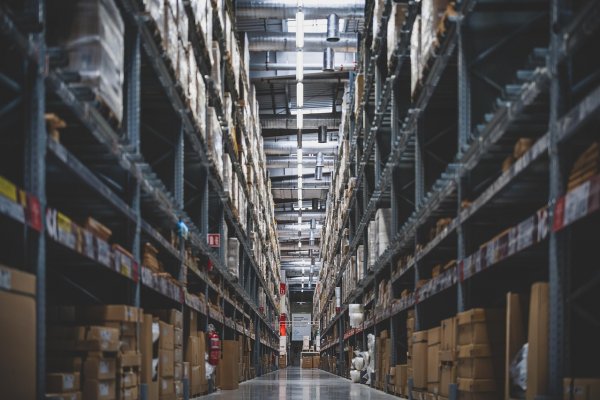
In today's fast-paced e-commerce landscape, the efficiency of a fulfilment warehouse can make or break a business. As consumer expectations continue to rise, with demands for faster delivery times and seamless order processing, warehouses must evolve to meet these challenges head-on. The integration of strategic carrier partnerships with industry leaders like DHL and DPD, combined with optimized palletisation techniques, has become the cornerstone of modern warehouse operations.
The Evolution of Fulfilment Warehouses
Fulfilment warehouses have transformed dramatically over the past decade. No longer simple storage facilities, they've become sophisticated logistics hubs that seamlessly coordinate receiving, storage, picking, packing, and shipping operations. The modern fulfilment warehouse operates as a crucial node in the supply chain, where precision and speed determine competitive advantage.
Today's warehouses leverage advanced technology, strategic carrier partnerships, and refined operational procedures to ensure products move efficiently from shelves to customers' doorsteps. The key to success lies in understanding how different elements of warehouse operations interconnect to create a streamlined fulfilment ecosystem.
Strategic Carrier Partnerships: DHL and DPD Integration
Why Multi-Carrier Strategies Matter
Relying on a single carrier creates vulnerability and limits flexibility. Modern fulfilment warehouses understand the importance of diversified shipping partnerships, particularly with established carriers like DHL and DPD. Each carrier brings unique strengths to the table, allowing warehouses to optimize for different scenarios.
DHL, as one of the world's leading international shipping providers, excels in global reach and cross-border logistics. Their extensive network spans over 220 countries and territories, making them ideal for businesses with international customer bases. Meanwhile, DPD has built a reputation for reliability in European domestic and regional deliveries, with particular strength in express parcel services and innovative delivery solutions.
Optimizing DHL Integration
Fulfilment warehouses that effectively integrate DHL into their operations benefit from several key advantages:
- Global reach for international orders requiring reliable cross-border delivery
- Express services that meet tight delivery deadlines for urgent shipments
- Advanced tracking capabilities providing real-time visibility throughout the shipping journey
- Customs expertise that simplifies international documentation and compliance
- Flexible pickup schedules accommodating high-volume shipping days
When a warehouse develops a strong relationship with DHL, they gain access to preferential pricing structures and dedicated account management, which translates directly into cost savings and improved service levels for end customers.
Leveraging DPD's Strengths
DPD brings complementary capabilities that make them invaluable for domestic and European fulfilment operations:
- Predict service offering customers precise one-hour delivery windows
- Extensive parcel shop network providing flexible collection options
- Carbon-neutral delivery options supporting sustainability initiatives
- Reliable next-day delivery across major European markets
- Seamless returns management simplifying the reverse logistics process
By incorporating both DHL and DPD into their carrier mix, fulfilment warehouses can intelligently route shipments based on destination, urgency, package size, and cost considerations. This flexibility ensures optimal service levels while managing shipping costs effectively.
Maximizing Warehouse Efficiency
The Foundation of Efficient Operations
Efficiency in fulfilment operations isn't accidental—it's the result of deliberate design, continuous optimization, and smart technology implementation. An efficient warehouse minimizes the time and resources required to move products through each stage of the fulfilment process.
Several core principles underpin warehouse efficiency:
- Optimal layout design that minimizes travel distance for picking operations
- Strategic inventory placement positioning fast-moving items in easily accessible locations
- Streamlined receiving processes that quickly move incoming inventory to appropriate storage locations
- Automated systems integration reducing manual data entry and potential errors
- Clear workflow protocols ensuring staff understand their roles and responsibilities
Technology-Driven Efficiency Gains
Modern warehouse management systems (WMS) serve as the central nervous system of efficient fulfilment operations. These platforms coordinate every aspect of warehouse activity, from inventory tracking to order allocation and carrier selection. When properly implemented, a WMS eliminates bottlenecks and provides real-time visibility into operations.
Key technological enablers include:
- Barcode scanning systems ensuring inventory accuracy
- Pick-to-light technology reducing picking errors and increasing speed
- Automated sorting systems directing packages to appropriate shipping zones
- Integration with carrier systems for seamless label generation and tracking
- Real-time analytics dashboards highlighting performance metrics and improvement opportunities
Businesses seeking to optimize their supply chain operations can explore various fulfilment solutions through platforms like www.search3pl.com, which helps compare services and capabilities across different providers.
The Art and Science of Palletisation
Understanding Palletisation Fundamentals
Palletisation represents a critical component of warehouse efficiency that often goes underappreciated. The process of organizing goods onto pallets for storage or shipping directly impacts space utilization, handling efficiency, and transportation costs. Proper palletisation techniques can dramatically reduce damage during transit while maximizing the number of units transported per shipment.
Effective palletisation requires understanding multiple factors:
- Product dimensions, weight, and fragility characteristics
- Pallet size standards for different regions and carriers
- Stacking patterns that optimize stability and space utilization
- Weight distribution principles preventing toppling or collapse
- Securing methods including stretch wrap, strapping, and corner boards
Palletisation Best Practices
Professional fulfilment warehouses follow established best practices to ensure optimal palletisation outcomes. The foundation starts with selecting appropriate pallet types—standard Euro pallets (1200x800mm) for European operations or standard pallets (1200x1000mm) for UK domestic shipments are common choices when working with carriers like DHL and DPD.
The column stacking method provides maximum stability by aligning boxes vertically, while the interlocking method creates a more secure load by rotating layers. The choice depends on package dimensions and weight distribution requirements.
Weight distribution deserves particular attention. Placing heavier items at the pallet base and progressively lighter items toward the top creates a stable center of gravity. This approach minimizes shifting during transport and reduces damage risk.
Palletisation and Carrier Requirements
Both DHL and DPD maintain specific palletisation requirements that fulfilment warehouses must accommodate. Understanding and meeting these standards prevents delays, additional charges, and potential shipment rejections.
DHL's pallet specifications typically include maximum height restrictions (often 180cm including the pallet), weight limits (usually up to 1000kg), and overhang prohibitions. DPD maintains similar standards while offering specific guidelines for their dedicated pallet network services.
Professional warehouses maintain detailed carrier requirement documentation and train staff accordingly, ensuring every palletised shipment meets specification before collection. This attention to detail prevents costly delays and maintains strong carrier relationships.
Creating Synergy: Bringing It All Together
The Integrated Approach
The true power of modern fulfilment emerges when efficient operations, strategic carrier partnerships, and expert palletisation practices work in harmony. This integration creates a compound effect where improvements in one area amplify benefits in others.
For example, when a warehouse implements efficient picking processes that group orders by carrier and destination, they naturally create opportunities for consolidated pallet shipments. These consolidated shipments leverage both DHL's and DPD's pallet network services, reducing per-unit shipping costs while maintaining delivery speed.
Measuring Success
Progressive fulfilment warehouses establish clear metrics to track performance across all operational areas:
- Order accuracy rate measuring picking and packing precision
- Average order processing time from order receipt to carrier handoff
- Warehouse space utilization assessing storage efficiency
- Carrier performance metrics tracking delivery times and damage rates
- Cost per order evaluating overall operational efficiency
Regular analysis of these metrics identifies improvement opportunities and validates the effectiveness of operational changes.
Future-Proofing Fulfilment Operations
The landscape of fulfilment continues evolving rapidly. Warehouses that invest in flexible infrastructure, maintain strong carrier relationships with partners like DHL and DPD, and continuously refine their operational practices position themselves for long-term success.
Emerging trends including sustainable packaging, same-day delivery expectations, and increased automation will shape the next generation of fulfilment warehouses. Those who master today's fundamentals—efficient processes, strategic partnerships, and expert handling techniques—will be best positioned to adapt to tomorrow's challenges.
For businesses evaluating fulfilment options or looking to optimize their current arrangements, comparing different providers and their capabilities through resources like www.search3pl.com provides valuable insights into industry best practices and available solutions.
Conclusion
Excellence in fulfilment warehouse operations doesn't happen by accident. It requires deliberate integration of efficient processes, strategic carrier partnerships with industry leaders like DHL and DPD, and expert execution of fundamentals like palletisation. As e-commerce continues its explosive growth, warehouses that master these interconnected elements will deliver the speed, accuracy, and reliability that today's customers demand while maintaining the operational efficiency that business sustainability requires.
The warehouses that thrive will be those that view efficiency not as a destination but as a continuous journey of improvement, always seeking new ways to optimize operations, strengthen partnerships, and deliver exceptional results for their clients and end customers alike.


