
Fulfilment Warehouse Essentials: Birmingham's Logistics Hub Guide
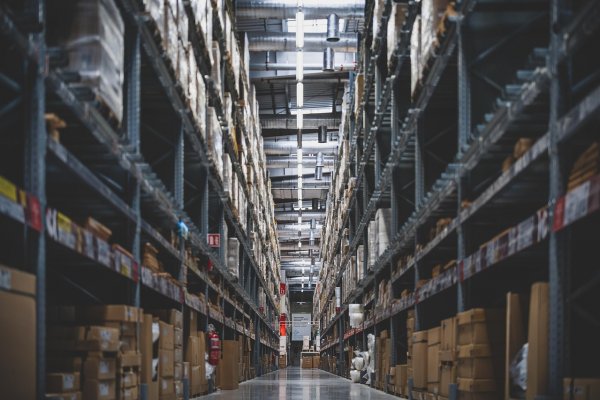
In the rapidly evolving world of e-commerce and logistics, fulfilment warehouses have become the backbone of successful retail operations. These sophisticated facilities serve as the crucial link between manufacturers and customers, ensuring that products reach their destinations efficiently and accurately. For businesses seeking strategic locations in the UK, Birmingham has emerged as a premier choice, offering unparalleled connectivity and access to major logistics partners like DHL.
Understanding the intricacies of modern fulfilment operations—from advanced racking storage systems to efficient picking bin methodologies—can make the difference between a thriving business and one struggling with logistics challenges. This comprehensive guide explores the essential components that make fulfilment warehouses in Birmingham particularly effective for businesses of all sizes.
Why Birmingham Leads UK Fulfilment Operations
Birmingham's strategic position at the heart of the United Kingdom makes it an ideal location for fulfilment warehouse operations. The city's extensive motorway network, including the M6, M5, and M42, provides direct access to every corner of the country. This geographical advantage means that businesses operating from Birmingham can typically reach 90% of the UK population within four hours, a critical factor for next-day delivery promises.
The West Midlands region has invested heavily in logistics infrastructure over the past decade, creating a thriving ecosystem of warehousing facilities, transport links, and skilled workforce. Birmingham International Airport adds another dimension, facilitating rapid international shipments and providing seamless integration with global supply chains.
Birmingham's Logistics Ecosystem
Major logistics providers have recognized Birmingham's potential, establishing significant operations throughout the region. The city hosts numerous distribution centers, cross-docking facilities, and specialized fulfilment warehouses that cater to diverse industry needs. This concentration of logistics expertise creates competitive advantages including:
- Access to experienced warehouse staff and logistics professionals
- Competitive real estate costs compared to London and Southeast regions
- Robust transportation infrastructure supporting multimodal logistics
- Proximity to major manufacturing centers and retail hubs
- Advanced technology adoption across the regional logistics sector
DHL and Major Carrier Integration
The relationship between fulfilment warehouses and major carriers like DHL represents a critical success factor for modern logistics operations. DHL, as one of the world's leading logistics companies, offers comprehensive solutions that integrate seamlessly with warehouse operations, providing businesses with reliable domestic and international shipping options.
Birmingham's fulfilment warehouses benefit from DHL's extensive UK network, which includes multiple service points, dedicated collection routes, and specialized services for e-commerce businesses. The integration between warehouse management systems and DHL's shipping platforms enables real-time tracking, automated label generation, and streamlined customs documentation for international shipments.
Carrier Partnership Benefits
When selecting a fulfilment warehouse, particularly in Birmingham, businesses should evaluate the facility's carrier relationships. Strong partnerships with DHL and other major carriers provide several advantages:
- Negotiated shipping rates that reduce per-unit delivery costs
- Priority pickup schedules ensuring same-day dispatch
- Access to premium services like weekend delivery and timed slots
- Seamless returns processing and reverse logistics capabilities
- Integrated technology platforms for automatic tracking updates
Modern fulfilment operations often work with multiple carriers simultaneously, allowing them to select the most cost-effective and appropriate service for each shipment based on destination, urgency, and package specifications. This multi-carrier approach, when managed through sophisticated warehouse management systems, optimizes logistics costs while maintaining service quality.
Racking Storage Systems: Maximizing Warehouse Efficiency
The foundation of any effective fulfilment warehouse lies in its racking storage infrastructure. These systems determine how efficiently space is utilized, how quickly products can be accessed, and ultimately, how cost-effectively the facility operates. Birmingham's modern fulfilment warehouses employ various racking configurations tailored to specific inventory characteristics and order profiles.
Types of Racking Storage Systems
Different inventory types require different storage approaches. Understanding these systems helps businesses select the right fulfilment partner:
Selective Pallet Racking: The most common system, offering direct access to every pallet. This configuration works well for businesses with diverse SKUs and moderate inventory turnover. The flexibility allows for easy stock rotation and simple inventory management, making it ideal for e-commerce fulfilment where product variety is high.
Drive-In and Drive-Through Racking: These high-density systems maximize space utilization for products with lower SKU diversity but higher volume. Forklifts drive directly into the racking structure, allowing multiple pallets to be stored in depth. This approach suits businesses with seasonal peaks or bulk storage requirements.
Mobile Racking Systems: Mounted on tracks, these systems eliminate unnecessary aisles, potentially doubling storage capacity. While requiring higher initial investment, mobile racking proves cost-effective for temperature-controlled environments or premium Birmingham locations where space costs are at a premium.
Vertical Space Optimization
Modern Birmingham warehouses increasingly exploit vertical space, with racking systems extending 10-12 meters high. This vertical approach, combined with appropriate material handling equipment, dramatically increases storage capacity without expanding the facility's footprint. Narrow aisle racking and very narrow aisle (VNA) configurations further enhance density while maintaining accessibility.
For businesses comparing fulfilment options, platforms like www.search3pl.com provide valuable resources for evaluating warehouse specifications, including racking configurations and storage capacity, helping match specific business requirements with appropriate facilities.
Picking Bin Systems: The Heart of Order Fulfilment
While racking storage handles bulk inventory, picking bin systems facilitate the actual order fulfilment process. These systems organize fast-moving items in easily accessible locations, enabling warehouse staff to quickly retrieve products and assemble customer orders. The efficiency of picking operations directly impacts fulfilment speed, accuracy, and ultimately, customer satisfaction.
Picking Bin Configurations
Birmingham's advanced fulfilment warehouses employ various picking bin strategies based on order characteristics:
Shelving and Bin Systems: Traditional but effective, these systems organize smaller items in compartmentalized bins arranged on shelving units. Each bin location receives a unique identifier, allowing warehouse management systems to direct pickers to precise locations. This approach works particularly well for businesses with numerous small SKUs like cosmetics, electronics accessories, or health supplements.
Flow Rack Systems: These gravity-fed systems place products at optimal picking height, with new stock automatically moving forward as items are picked. Flow racks reduce picker walking time and ensure first-in-first-out (FIFO) rotation, crucial for products with expiration dates or those sensitive to obsolescence.
Multi-Level Pick Modules: For high-volume operations, multi-level structures with integrated conveyor systems maximize picking efficiency. Pickers work at different levels simultaneously, with completed picks converging at packing stations via automated conveyance. Birmingham's larger fulfilment centers increasingly adopt these sophisticated systems to handle growing e-commerce volumes.
Pick Methodology Selection
The physical picking bin infrastructure works in conjunction with specific picking methodologies:
- Discrete Picking: One picker completes one order, ideal for businesses with complex orders requiring special handling or customization
- Batch Picking: Multiple orders are picked simultaneously, improving efficiency for operations with similar products across many orders
- Zone Picking: The warehouse divides into zones, with dedicated pickers handling specific areas, reducing congestion and increasing specialization
- Wave Picking: Orders are released in waves based on shipping schedules, optimizing carrier pickup windows and labor allocation
Technology Integration in Modern Fulfilment
The convergence of racking storage, picking bins, and carrier integration reaches its full potential through sophisticated technology platforms. Birmingham's competitive fulfilment sector has driven rapid adoption of warehouse management systems (WMS), inventory tracking, and automation technologies.
Radio-frequency identification (RFID) and barcode scanning ensure accuracy throughout the fulfilment process, from receiving inventory into racking storage through picking bin replenishment to final shipment via DHL or other carriers. Real-time inventory visibility prevents stockouts while minimizing excess inventory holding costs.
Automation and Robotics
Leading Birmingham fulfilment warehouses are progressively introducing automation to complement traditional systems. Automated guided vehicles (AGVs) transport goods between racking storage and picking areas, while robotic picking systems handle repetitive tasks, allowing human workers to focus on quality control and exception handling.
These technological investments, while requiring significant capital, deliver measurable returns through increased throughput, reduced error rates, and the ability to handle seasonal volume fluctuations without proportional increases in labor costs.
Selecting the Right Birmingham Fulfilment Partner
For businesses evaluating fulfilment warehouse options in Birmingham, several key considerations should guide the selection process. Beyond location and carrier relationships with providers like DHL, examine the facility's racking storage capacity and configuration to ensure it accommodates your inventory profile both now and as your business scales.
Assess the picking bin systems and methodologies employed—do they align with your order characteristics? A business shipping primarily single-item orders requires different infrastructure than one fulfilling multi-item orders with complex assembly requirements.
Request facility tours to observe operations firsthand, paying particular attention to organization, cleanliness, and staff professionalism. The warehouse environment reflects operational standards that directly impact your brand reputation. When comparing options, resources like www.search3pl.com enable efficient evaluation of multiple providers, helping identify facilities that match specific requirements.
Scalability and Flexibility
Business growth and seasonal fluctuations demand flexible fulfilment arrangements. Ensure your chosen Birmingham warehouse can accommodate volume increases without service degradation. This might mean access to additional racking storage during peak seasons, temporary increases in picking bin allocations, or expedited carrier pickups when order volumes spike.
Conclusion: The Birmingham Advantage
Birmingham's position as a fulfilment warehouse hub continues strengthening, driven by strategic location, robust infrastructure, and continuous investment in logistics capabilities. The integration of efficient racking storage systems, sophisticated picking bin methodologies, and strong carrier partnerships with industry leaders like DHL creates a comprehensive ecosystem supporting business success.
Whether launching a new e-commerce venture or optimizing existing fulfilment operations, Birmingham offers compelling advantages. The region's competitive marketplace drives continuous improvement, ensuring businesses benefit from evolving best practices, emerging technologies, and operational efficiencies.
Success in modern retail requires more than great products—it demands flawless fulfilment execution. By understanding and leveraging the key components of professional warehouse operations, businesses position themselves to meet customer expectations, scale efficiently, and build sustainable competitive advantages in increasingly demanding markets.


