
Fulfilment Secrets That Could Slash Your Costs by 40%
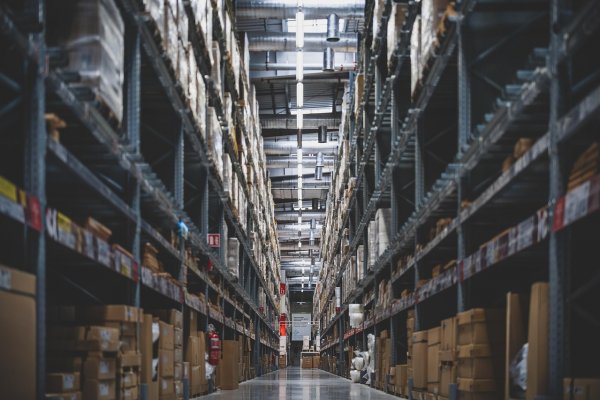
In today's hyper-competitive e-commerce landscape, fulfilment costs can make or break your business. The difference between thriving and merely surviving often comes down to how efficiently you manage the intricate dance of getting products from warehouse shelves to customer doorsteps. While many business owners focus exclusively on marketing and sales, the hidden goldmine of profit optimization lies within your fulfilment operations.
The truth is, inefficient fulfilment processes are silently draining profits from businesses every single day. But there's good news: by implementing strategic approaches to palletisation, transportation, and inventory management, companies of all sizes can dramatically reduce costs while simultaneously improving service quality.
The Foundation of Cost-Effective Fulfilment
Fulfilment encompasses every step involved in receiving, processing, and delivering orders to customers. It's a complex ecosystem where even minor inefficiencies compound into significant financial losses. According to industry research, fulfilment costs typically represent between 15% and 30% of total revenue for e-commerce businesses, making it one of the largest operational expenses after product costs.
Understanding the four pillars of cost-effective fulfilment is essential for any business looking to optimize operations. These pillars work synergistically, and improvements in one area often create cascading benefits throughout the entire system.
Palletisation: The Unsung Hero of Warehouse Efficiency
Palletisation might sound technical, but it's simply the strategic process of organizing products onto pallets for storage and transportation. This seemingly simple concept is actually one of the most powerful tools for reducing fulfilment costs.
Maximizing Space Utilization
Proper palletisation can increase warehouse storage capacity by up to 40% without expanding physical space. By standardizing pallet configurations and implementing vertical stacking strategies, businesses can store significantly more inventory within existing facilities. This eliminates the need for costly warehouse expansions or additional storage locations.
- Standard pallet sizes optimize forklift operations and reduce handling time
- Vertical storage systems leverage ceiling height effectively
- Consistent pallet configurations minimize product damage during movement
- Strategic product placement reduces picker travel time by up to 50%
Reducing Handling Costs
Every time a product is touched during the fulfilment process, it costs money. Effective palletisation minimizes handling by grouping products logically and ensuring they move efficiently through the warehouse. When products are properly palletised, a single forklift operator can move hundreds of items simultaneously rather than handling individual units.
Consider this: if your warehouse team handles each item individually five times before shipment, and you process 10,000 items monthly, that's 50,000 individual touches. By implementing smart palletisation, you might reduce this to just two touches per item, cutting handling by 60% and dramatically reducing labor costs.
Transportation Optimization: Moving Smarter, Not Harder
Transportation represents one of the largest variable costs in fulfilment operations. With fuel prices fluctuating and carrier rates constantly increasing, transportation optimization has become critical for maintaining profitability.
Consolidation Strategies
Shipping individual orders as they arrive might seem efficient, but it's actually one of the costliest approaches. Order consolidation allows businesses to group multiple orders going to similar destinations, reducing per-unit transportation costs by up to 30%.
Smart businesses partner with providers found through platforms like www.search3pl.com to compare services and implement sophisticated routing algorithms that automatically identify consolidation opportunities without delaying customer deliveries.
Multi-Modal Transportation
Relying exclusively on a single transportation method limits flexibility and often increases costs. A balanced approach might include:
- Ground shipping for regional deliveries within 500 miles
- LTL (Less Than Truckload) for larger shipments to distant locations
- Parcel services for small, time-sensitive deliveries
- Rail or intermodal options for non-urgent bulk shipments
By matching the transportation mode to specific order characteristics, businesses can achieve optimal cost-efficiency without sacrificing delivery performance.
Strategic Warehouse Locations
Geographic positioning dramatically impacts transportation costs. Companies that strategically locate fulfilment centers closer to customer concentrations can reduce shipping zones and delivery times simultaneously. This approach, known as distributed fulfilment, allows businesses to reach 80% or more of customers within two-day ground shipping zones, eliminating expensive air freight while improving customer satisfaction.
Inventory Management: The Intelligence Layer
Inventory represents capital sitting on shelves, and poor inventory management is equivalent to watching money collect dust. Sophisticated inventory management transforms static stock into a dynamic asset that generates returns rather than accumulating costs.
Demand Forecasting
Accurate demand forecasting prevents both stockouts and overstock situations. Modern inventory management systems analyze historical sales data, seasonal trends, and market indicators to predict future demand with remarkable accuracy. This intelligence allows businesses to:
- Order optimal quantities that balance holding costs with availability
- Reduce emergency shipment expenses by maintaining appropriate buffer stock
- Minimize obsolescence and clearance losses from overstocking
- Improve cash flow by reducing capital tied up in excess inventory
ABC Analysis and SKU Rationalization
Not all products deserve equal attention. ABC analysis categorizes inventory based on value and velocity, allowing businesses to focus resources where they matter most. Typically, 20% of SKUs generate 80% of revenue, yet many companies allocate storage space and handling resources uniformly across all products.
By identifying high-velocity items and positioning them in easily accessible locations, while relegating slow-movers to less prime real estate, warehouses can significantly reduce picking time and labor costs. Some businesses discover that eliminating their bottom 10% of SKUs actually increases profitability by freeing resources for more productive activities.
Real-Time Visibility
Modern inventory management relies on real-time data rather than periodic counts. Barcode scanning, RFID technology, and integrated warehouse management systems provide continuous visibility into stock levels, locations, and movements. This transparency eliminates the costly errors that occur when operating on outdated information and enables proactive decision-making.
Low-Cost Fulfilment Without Compromising Quality
Achieving low-cost fulfilment doesn't mean cutting corners or disappointing customers. Instead, it requires systematic efficiency improvements that eliminate waste while preserving or enhancing service quality.
Process Standardization
Variability is the enemy of efficiency. By standardizing processes across receiving, storage, picking, packing, and shipping, businesses create predictable workflows that can be continuously optimized. Standard operating procedures ensure that every team member performs tasks in the most efficient manner, reducing training time and eliminating costly mistakes.
Technology Investment with ROI Focus
While technology requires upfront investment, the right systems generate rapid returns through labor savings and error reduction. Warehouse management systems, automated sorting equipment, and inventory optimization software typically pay for themselves within 12-24 months while continuing to generate savings indefinitely.
For businesses exploring fulfilment optimization, resources like www.search3pl.com provide valuable comparisons of service providers and technology solutions tailored to specific business needs and scales.
Strategic Outsourcing Decisions
Not every business should operate its own fulfilment operation. Third-party logistics providers (3PLs) often achieve economies of scale that individual businesses cannot match. By consolidating volumes from multiple clients, 3PLs negotiate better carrier rates, maintain advanced technology infrastructure, and employ specialized expertise.
The key is conducting honest cost-benefit analysis that considers not just direct expenses but also opportunity costs and quality implications. Sometimes the lowest-cost solution involves focusing internal resources on core competencies while partnering with fulfilment specialists for logistics operations.
Measuring Success: Key Performance Indicators
Sustainable cost reduction requires measurement and continuous improvement. Essential fulfilment KPIs include:
- Cost per order: Total fulfilment expenses divided by order volume
- Inventory turnover ratio: How quickly stock converts to sales
- Order accuracy rate: Percentage of orders fulfilled correctly
- Average pick time: Minutes required to pick items per order
- Transportation cost as percentage of revenue: Shipping expenses relative to sales
- Storage utilization rate: Percentage of available warehouse space actively used
Regular monitoring of these metrics reveals improvement opportunities and validates the impact of optimization initiatives.
The Competitive Advantage of Fulfilment Excellence
In an era where customer expectations continuously escalate, fulfilment excellence has become a critical competitive differentiator. Companies that master the integration of efficient palletisation, optimized transportation, and intelligent inventory management don't just reduce costs—they create responsive, scalable operations that support business growth.
The businesses thriving in today's market understand that every dollar saved in fulfilment operations can be reinvested in product development, marketing, or customer experience enhancements. They recognize that operational efficiency compounds over time, creating expanding competitive moats that become increasingly difficult for competitors to overcome.
The journey toward fulfilment optimization isn't accomplished overnight, but the businesses that commit to systematic improvement discover that the rewards far exceed the effort invested. By focusing on the fundamental principles outlined here and continuously refining operations based on data and results, any business can transform fulfilment from a cost center into a strategic advantage that drives sustainable profitability and growth.


