
Finding the Perfect Warehouse: A UK Business Guide (2024)
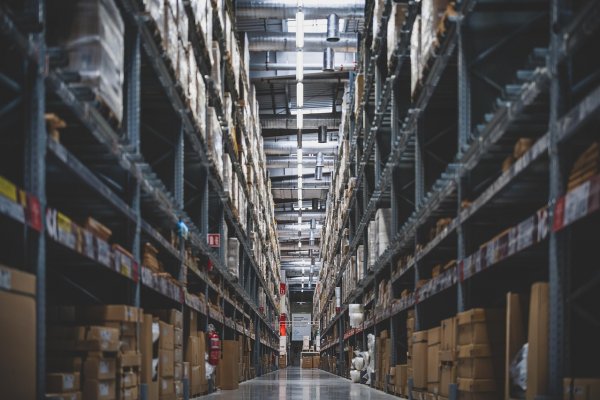
Finding the right warehouse facility is one of the most critical decisions facing growing UK businesses today. Whether you're scaling from a spare bedroom operation to your first dedicated space, or upgrading from an outdated facility, the warehouse you choose will significantly impact your operational efficiency, customer satisfaction, and bottom line. This comprehensive guide explores the essential considerations when searching for your ideal warehouse solution, including carrier integration, automation capabilities, third-party logistics partnerships, and haulier relationships.
Understanding Your Warehouse Requirements
Before beginning your search, it's crucial to clearly define your specific needs. Many businesses rush into warehouse selection without properly assessing their requirements, leading to costly mistakes and operational headaches down the line.
Assess Your Current and Future Space Needs
Start by calculating your current storage requirements, then factor in projected growth over the next 3-5 years. Consider seasonal fluctuations in inventory levels, particularly if you operate in retail sectors with peak periods like Christmas or summer seasons. A warehouse that's perfect for your current needs might become restrictive within months if you're experiencing rapid growth.
Key questions to address include:
- How many pallet spaces do you currently require?
- What are your SKU counts and inventory turnover rates?
- Do you need temperature-controlled storage for sensitive products?
- What are your projected growth rates for the next 1, 3, and 5 years?
- Will you need space for value-added services like kitting or assembly?
Location Strategy and Carrier Integration
Warehouse location impacts everything from delivery speeds to operational costs. The rise of next-day and same-day delivery expectations means strategic positioning has never been more important for UK businesses.
Proximity to Major Carrier Hubs
Working with major carriers like DPD requires careful consideration of collection cut-off times and proximity to their sorting facilities. DPD operates numerous depots across the UK, and positioning your warehouse near a major DPD hub can provide significant advantages in terms of later collection times and more reliable service.
When evaluating locations, consider the following carrier integration factors:
- Distance to nearest DPD depot and typical collection times
- Access to multiple carrier options for competitive pricing
- Proximity to major motorway networks (M1, M6, M25, etc.)
- Local traffic patterns that might affect collection reliability
- Weekend and evening collection availability
Many successful e-commerce businesses position their warehouses in the Midlands region, which offers excellent coverage for next-day delivery to most of the UK population. However, depending on your target market demographics, alternative locations might prove more strategic.
Understanding Haulier Relationships
Beyond parcel carriers like DPD, establishing strong relationships with haulier companies is essential for businesses dealing with pallet deliveries, large shipments, or wholesale distribution. When selecting a warehouse, investigate the local haulier landscape and existing relationships the facility might already have established.
Premium warehouse facilities often have pre-negotiated rates with local and national hauliers, which can provide immediate cost savings. Additionally, warehouses with established haulier partnerships typically benefit from more reliable collection schedules and priority service during peak periods.
3PL Solutions for Small Business UK Operations
For many small and medium-sized businesses, partnering with a 3PL (third-party logistics) provider offers a more flexible and cost-effective solution than leasing dedicated warehouse space. The 3PL market in the UK has evolved significantly, with numerous providers now specializing in serving small business requirements.
When to Consider 3PL for Small Business UK Operations
Third-party logistics providers handle warehousing, inventory management, order fulfillment, and shipping on your behalf. This model works particularly well for businesses that:
- Process between 50 and 5,000 orders monthly
- Want to avoid capital expenditure on warehouse infrastructure
- Need to scale operations flexibly without long-term commitments
- Lack internal logistics expertise or resources
- Operate seasonally with fluctuating inventory levels
Modern 3PL providers offer sophisticated integration with e-commerce platforms, real-time inventory visibility, and multi-channel fulfillment capabilities. Many UK-based 3PLs have invested heavily in technology platforms that rival or exceed what most small businesses could develop in-house.
When evaluating potential 3PL partners, platforms like www.search3pl.com provide valuable resources for comparing services, pricing structures, and capabilities across multiple providers. This comparison approach ensures you find a partner aligned with your specific business requirements rather than settling for the first option you encounter.
Advantages of 3PL Partnership Models
The 3pl for small business uk model offers several compelling advantages beyond simple cost considerations:
- Scalability: Pay only for the space and services you actually use, with the ability to scale up or down based on demand
- Expertise: Leverage the provider's logistics knowledge, established carrier relationships, and operational best practices
- Technology Access: Benefit from warehouse management systems and integration capabilities that would be cost-prohibitive to develop independently
- Geographic Expansion: Many 3PLs operate multiple facilities, enabling market expansion without additional infrastructure investment
- Focus on Core Business: Free up management time and resources to concentrate on product development, marketing, and customer acquisition
Automation and Technology Considerations
Warehouse automation has progressed from a luxury reserved for major corporations to an increasingly accessible option for businesses of all sizes. When searching for warehouse facilities, understanding available automation options and their impact on your operations is essential.
Levels of Warehouse Automation
Warehouse automation exists on a spectrum, from basic improvements to fully automated operations:
Basic Automation: Includes barcode scanning systems, warehouse management software (WMS), and automated printing solutions. These foundational technologies improve accuracy and efficiency without significant capital investment. Most modern 3PL facilities offer at least this level of automation as standard.
Intermediate Automation: Encompasses conveyor systems, automated sorting equipment, pick-to-light technologies, and automated packing stations. These systems dramatically increase throughput capacity and reduce labor costs, though they require more substantial investment.
Advanced Automation: Features autonomous mobile robots (AMRs), automated storage and retrieval systems (AS/RS), and fully integrated robotic picking solutions. While expensive to implement, these systems offer unmatched efficiency for high-volume operations.
Evaluating Automation Requirements
For most small to medium-sized businesses, partnering with a 3PL that has already invested in appropriate automation levels makes more financial sense than attempting to build automated infrastructure independently. When evaluating facilities or 3PL partners, consider:
- Current order volumes and whether automation would deliver ROI
- Order complexity and whether products suit automated handling
- Accuracy requirements and error rates with current processes
- Labor availability and costs in your target warehouse location
- Scalability plans and whether automation supports growth trajectory
Making the Final Decision
After evaluating location, carrier integration, automation capabilities, and 3PL options, synthesizing this information into a clear decision framework is crucial. Create a weighted scoring system that reflects your business priorities, whether that's cost optimization, delivery speed, scalability, or technology capabilities.
Due Diligence Essentials
Before committing to any warehouse solution, conduct thorough due diligence:
- Visit facilities in person, preferably during peak operational hours
- Request references from current clients with similar business profiles
- Review insurance coverage, security measures, and compliance certifications
- Understand contract terms, notice periods, and exit clauses
- Test integration capabilities with your existing systems
- Verify claimed carrier relationships and collection schedules
Resources like www.search3pl.com can streamline this research process by providing verified provider information and facilitating direct comparisons across multiple options simultaneously.
Conclusion
Finding the right warehouse solution requires careful consideration of multiple interconnected factors. From ensuring seamless DPD integration and other carrier relationships to evaluating automation capabilities and weighing the benefits of 3PL partnerships, each decision impacts your operational efficiency and customer satisfaction.
For small businesses in the UK, the 3PL model often provides the optimal balance of flexibility, expertise, and cost-effectiveness, allowing you to leverage sophisticated logistics infrastructure without the capital investment and operational complexity of managing your own facility. Meanwhile, established haulier relationships and strategic location selection ensure your products reach customers efficiently and reliably.
By systematically evaluating your requirements against available options and conducting thorough due diligence, you'll position your business for sustainable growth with a warehouse solution that supports rather than constrains your ambitions. The time invested in making the right choice pays dividends through years of smooth operations, satisfied customers, and healthy profit margins.


