
Finding the Perfect Warehouse for Your Growing Business
The Strategic Importance of Warehouse Selection
Selecting the right warehouse facility represents one of the most critical decisions for any growing business. Whether you're expanding your B2C operations or restructuring your supply chain, the warehouse you choose will directly impact your delivery times, operational costs, and customer satisfaction levels. In today's competitive e-commerce landscape, having the right infrastructure in place isn't just advantageous—it's essential for survival.
The process of finding a new warehouse extends far beyond simply securing four walls and a roof. Modern businesses must consider multiple factors including proximity to carriers like Royal Mail, accessibility for hauliers, optimal racking storage configurations, and scalability for future growth. Each element plays a vital role in creating an efficient, cost-effective fulfilment operation that meets the demands of contemporary consumers.
Understanding Your B2C Fulfilment Requirements
Before embarking on your warehouse search, it's crucial to thoroughly understand your business-to-consumer fulfilment needs. B2C operations differ significantly from B2B warehousing, with unique challenges that must be addressed from the outset.
Assessing Your Order Volume and Profile
B2C businesses typically process higher volumes of smaller orders compared to their B2B counterparts. This fundamental difference affects nearly every aspect of warehouse design and operation. Consider the following questions:
- What are your current daily order volumes, and what growth do you anticipate?
- What is your average order size and weight?
- Do you experience seasonal peaks that require additional capacity?
- What percentage of orders require same-day or next-day delivery?
- How many SKUs do you currently manage, and how might this evolve?
These metrics will directly influence the warehouse size you require, the type of racking storage systems you'll need, and the carrier relationships you must establish. For many B2C operations, platforms like www.search3pl.com provide valuable resources for comparing warehouse providers and understanding industry standards.
Customer Delivery Expectations
Modern consumers expect rapid delivery at minimal cost. This expectation makes your warehouse location and carrier partnerships absolutely critical. Your facility must provide easy access to major shipping carriers, particularly Royal Mail for UK businesses, which offers extensive coverage and competitive rates for B2C shipments.
Royal Mail Access and Carrier Connectivity
For businesses serving UK consumers, Royal Mail connectivity should be a primary consideration when selecting a warehouse. Royal Mail processes millions of parcels daily and offers several advantages for B2C operations.
Benefits of Strong Royal Mail Integration
A warehouse with established Royal Mail collection services provides multiple operational benefits. Regular, reliable collections ensure your orders reach the postal network quickly, reducing overall delivery times. Many modern warehouses have dedicated Royal Mail collection points and benefit from multiple daily collections, particularly important during peak periods.
When evaluating potential warehouse facilities, inquire about:
- The frequency of Royal Mail collections (multiple daily collections are ideal)
- Whether the facility has a dedicated Royal Mail drop-off point
- The proximity to the nearest Royal Mail sorting facility
- Available Royal Mail services (Tracked 24, Tracked 48, Special Delivery)
- Integration capabilities with Royal Mail's shipping systems
Additionally, while Royal Mail should be your primary focus for small parcels, ensure the warehouse also provides access to alternative carriers for larger items or international shipments. Diversification in carrier options protects your business from service disruptions and enables competitive shipping rates.
Haulier Access and Loading Infrastructure
Beyond parcel carriers, your warehouse must accommodate haulier access for both inbound stock deliveries and outbound pallet shipments. The loading bay infrastructure and surrounding road network significantly impact operational efficiency.
Evaluating Loading Bay Facilities
Modern warehouses should provide adequate loading bays with proper dock levelers and weather protection. Consider these critical factors:
- Number of loading bays: Ensure sufficient capacity to handle peak periods without creating bottlenecks
- Bay configuration: Level-access bays versus dock-height facilities
- Turning circles: Adequate space for articulated lorries to maneuver
- Operating hours: Flexibility for early morning or evening deliveries
- Security measures: CCTV coverage and access control systems
Poor haulier access creates costly delays, frustrated drivers, and potential damage to goods. When visiting prospective warehouses, observe the loading areas during busy periods to assess real-world functionality.
Transport Links and Strategic Location
Your warehouse location should provide excellent connectivity to major transport networks. Proximity to motorways reduces haulier costs and delivery times, while central locations minimize the distance to your customer base. However, urban warehouses typically command premium rates, so balance accessibility against rental costs.
Optimizing Racking Storage Systems
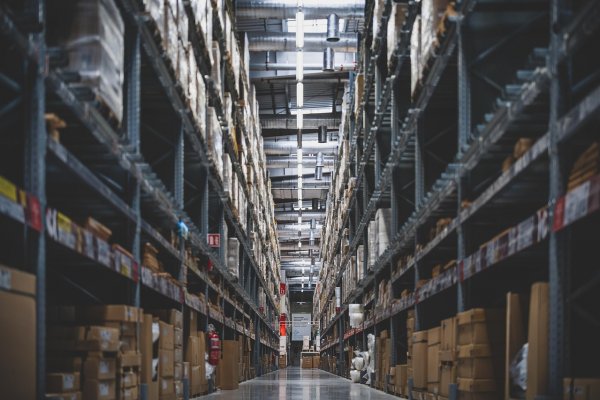
The racking storage configuration within your warehouse fundamentally determines operational efficiency, storage density, and picking productivity. Different businesses require different solutions, and the flexibility to adapt your racking as your business evolves is invaluable.
Common Racking Systems for B2C Operations
Several racking systems suit B2C warehousing, each with distinct advantages:
Selective Pallet Racking: The most common system, offering direct access to every pallet position. While space efficiency is moderate, the flexibility and accessibility make it ideal for businesses with diverse product ranges.
Narrow Aisle Racking: Increases storage density by reducing aisle widths, though it requires specialized handling equipment. This system works well for high-volume operations with limited floor space.
Shelving Systems: Essential for B2C operations handling smaller items. Adjustable shelving accommodates various product sizes and facilitates efficient order picking.
Mezzanine Floors: Effectively doubles usable space by creating additional levels within the warehouse. Particularly valuable in facilities with high ceilings where vertical space remains underutilized.
Assessing Existing Racking Infrastructure
When evaluating warehouses, carefully examine existing racking systems. Some facilities include racking in the lease agreement, potentially saving significant capital expenditure. However, ensure any existing racking meets current safety standards and suits your operational requirements. Resources like www.search3pl.com can help you understand standard racking configurations across different warehouse types.
Consider also the ceiling height and floor loading capacity, as these factors determine maximum racking height and configuration options. Modern warehouses with 8-10 meter clear heights offer significantly more storage potential than older facilities with lower ceilings.
Essential Warehouse Features and Amenities
Beyond the core considerations of location, carrier access, and storage systems, numerous additional features impact warehouse suitability.
Technology Infrastructure
Contemporary warehouses should provide robust technological infrastructure including high-speed internet connectivity, adequate power supply for warehouse management systems, and proper lighting throughout the facility. Many B2C operations rely on sophisticated inventory management software that requires reliable connectivity.
Security and Insurance
Comprehensive security measures protect your inventory and reduce insurance premiums. Look for facilities with 24/7 CCTV monitoring, intruder alarms, secure perimeter fencing, and controlled access systems. Request evidence of the facility's insurance coverage and ensure it meets your requirements.
Staff Amenities
Don't overlook facilities for your team. Adequate office space, proper welfare amenities including toilets and break rooms, parking facilities, and climate control all contribute to staff satisfaction and productivity. In competitive labor markets, these amenities help attract and retain quality warehouse personnel.
Making Your Final Decision
Finding the perfect warehouse requires balancing multiple competing priorities. Create a detailed evaluation matrix scoring each potential facility against your essential criteria: Royal Mail access, haulier connectivity, racking storage capacity, location, cost, and scalability.
Consider negotiating flexible lease terms that allow for business growth. Many successful B2C companies start with smaller facilities and negotiate options to expand within the same complex as volumes increase. This approach minimizes initial capital commitment while securing future capacity.
Visit shortlisted warehouses multiple times, preferably during different operational periods. Speak with neighboring tenants about their experiences with the landlord, maintenance responsiveness, and any operational challenges. These conversations often reveal insights that formal presentations omit.
Conclusion
Selecting the right warehouse facility represents a strategic investment in your business's future. By carefully evaluating Royal Mail and carrier access, ensuring adequate haulier facilities, optimizing racking storage systems, and considering the full range of operational requirements, you position your B2C operation for sustainable growth and success.
The warehouse you choose becomes the foundation of your fulfilment operation, directly impacting customer satisfaction, operational costs, and competitive positioning. Take the time to thoroughly assess your options, engage professional advisors where necessary, and select a facility that not only meets your current needs but provides the flexibility and infrastructure to support your long-term business ambitions.


