
Finding the Perfect Warehouse: Your Complete Guide to Success
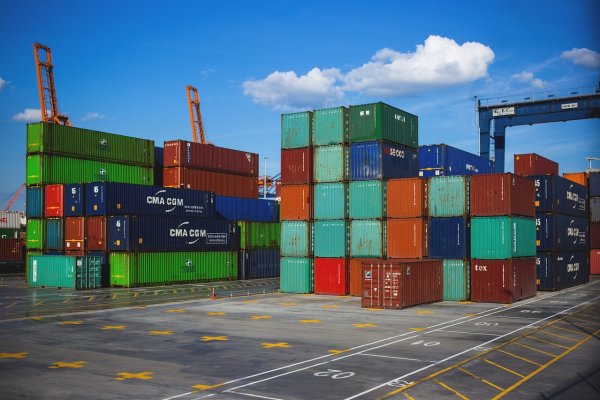
The decision to find a new warehouse represents a pivotal moment for any growing business. Whether you're expanding operations, improving efficiency, or entering new markets like the UK, selecting the right warehousing partner can determine your success or become a costly mistake. This comprehensive guide explores the critical factors you need to consider when searching for warehouse solutions that align with your business objectives.
Understanding Your Warehousing Needs
Before embarking on your search for a new warehouse, it's essential to clearly define your requirements. The landscape of modern logistics has evolved dramatically, offering businesses various options from self-managed facilities to comprehensive third-party logistics (3PL) solutions.
Start by evaluating your current challenges and future growth projections. Are you struggling with inventory management? Do you need better integration with carriers like Parcelforce? Are you planning to expand into UK imports? These questions will guide your warehouse selection process and help you identify the most suitable solution for your unique circumstances.
Assessing Volume and Scalability
Your warehouse choice should accommodate not just your current needs but also anticipated growth. Consider seasonal fluctuations, promotional campaigns, and long-term expansion plans. A facility that feels perfect today might become inadequate within months if you don't account for scalability.
The Role of Quality Control in Warehouse Selection
Quality control systems represent the backbone of successful warehousing operations. When evaluating potential warehouse partners, their approach to quality management should rank among your highest priorities.
Essential Quality Control Components
A robust quality control framework encompasses multiple layers of verification and monitoring:
- Receiving inspections: Products should be thoroughly checked upon arrival for damage, accuracy, and compliance with specifications
- Storage protocols: Proper handling procedures that maintain product integrity throughout the warehousing cycle
- Inventory accuracy: Regular cycle counts and audits to ensure system records match physical stock
- Pick and pack verification: Multiple checkpoints to prevent shipping errors and ensure customer satisfaction
- Documentation and traceability: Comprehensive record-keeping for accountability and problem resolution
Quality control isn't just about preventing errors—it's about building customer trust and protecting your brand reputation. A warehouse with sophisticated quality management systems will help you maintain consistent standards across all operations, reducing returns and enhancing customer satisfaction.
Technology-Driven Quality Assurance
Modern warehouses leverage technology to enhance quality control processes. Look for facilities employing barcode scanning, RFID tracking, automated verification systems, and real-time reporting dashboards. These tools minimize human error while providing transparency into every aspect of your inventory handling.
Understanding 3PL Warehousing Costs
The financial implications of warehouse selection extend far beyond simple rent calculations. When considering 3PL warehousing costs, you need to understand the complete pricing structure and how it impacts your bottom line.
Breaking Down 3PL Pricing Models
Third-party logistics providers typically structure their pricing around several key components:
- Receiving fees: Charges for unloading, inspecting, and processing incoming inventory
- Storage costs: Usually calculated per pallet or square footage on a monthly basis
- Pick and pack fees: Per-order charges covering labor and materials for order fulfillment
- Shipping integration: Costs associated with carrier connections and postage
- Special handling: Additional fees for kitting, bundling, returns processing, or custom requirements
- Technology access: Platform fees for inventory management systems and reporting tools
When comparing 3PL warehousing costs, resist the temptation to select based solely on the lowest price. The cheapest option often proves most expensive in the long run if it compromises service quality, accuracy, or scalability. Instead, evaluate the total cost of ownership, considering factors like error rates, customer service responsiveness, and growth accommodation.
Hidden Costs to Watch For
Request detailed pricing breakdowns and specifically inquire about potential additional charges. Some warehouses impose fees for minimum order requirements, account management, system integrations, or seasonal storage surcharges. Understanding these elements upfront prevents unwelcome surprises and enables accurate budget forecasting.
Parcelforce Integration and Carrier Partnerships
Your warehouse's carrier relationships significantly impact shipping efficiency and customer satisfaction. For UK-focused businesses, Parcelforce integration provides reliable domestic and international shipping options backed by Royal Mail's extensive infrastructure.
Benefits of Established Carrier Relationships
Warehouses with strong Parcelforce partnerships typically offer several advantages:
- Negotiated shipping rates that they pass along to clients, reducing your per-parcel costs
- Streamlined collection schedules ensuring same-day dispatch for orders received before cutoff times
- Integrated tracking systems providing real-time visibility for you and your customers
- Priority support for resolving shipping issues or claims
- Access to specialized services like Saturday delivery or specific time-slot options
Beyond Parcelforce, evaluate whether the warehouse works with multiple carriers. Carrier diversification provides flexibility for different product types, delivery speeds, and cost optimization. A comprehensive directory like www.search3pl.com can help you identify warehouses with the carrier partnerships that match your shipping requirements.
Navigating UK Import Warehousing
For businesses importing products into the United Kingdom, warehouse selection carries additional complexities related to customs, compliance, and inventory positioning.
Import-Friendly Warehouse Features
When your operations involve importing to the UK, prioritize warehouses offering:
- Customs clearance expertise: In-house knowledge or partnerships with customs brokers who understand UK import regulations
- Bonded warehouse capabilities: Facilities allowing duty deferment until goods enter the market
- Documentation management: Systems handling commercial invoices, certificates of origin, and compliance paperwork
- Strategic location: Proximity to major ports like Felixstowe, Southampton, or London Gateway for faster processing
- VAT handling: Understanding of postponed VAT accounting and other post-Brexit tax considerations
Brexit Considerations
The post-Brexit landscape has introduced new complexities for UK imports. Your warehouse partner should demonstrate current knowledge of regulations, including Rules of Origin requirements, safety and security declarations, and product-specific compliance standards. Experienced import warehouses save you time, money, and regulatory headaches by managing these requirements efficiently.
Evaluating Warehouse Technology and Integration
Modern warehousing relies heavily on technology to deliver accuracy, efficiency, and transparency. When finding a new warehouse, assess their technological capabilities and how they integrate with your existing systems.
Critical Technology Considerations
Look for warehouses offering:
- Warehouse Management Systems (WMS) with real-time inventory visibility
- API integrations connecting to your e-commerce platforms, marketplaces, and accounting software
- Automated reporting providing insights into stock levels, order status, and performance metrics
- Mobile accessibility allowing you to manage operations from anywhere
- Data security protocols protecting your business and customer information
The right technology transforms warehousing from a necessary expense into a strategic advantage. It enables faster decision-making, reduces errors, and enhances customer experience through accurate tracking and communication.
Making Your Final Decision
Finding the perfect warehouse requires balancing multiple factors—quality control standards, cost structures, carrier partnerships, import capabilities, and technological sophistication. Begin your search by clearly defining your requirements, then systematically evaluate candidates against these criteria.
Consider visiting shortlisted facilities to observe operations firsthand. Speak with current clients about their experiences. Request trial periods or phased implementations to test compatibility before committing to long-term contracts.
Resources like www.search3pl.com simplify the comparison process by aggregating information about 3PL providers worldwide, allowing you to evaluate options based on location, services, and specializations. This comprehensive approach ensures you find a warehouse partner aligned with your operational needs and growth ambitions.
Conclusion
The warehouse you select becomes an extension of your business, directly impacting customer satisfaction, operational efficiency, and profitability. By thoroughly evaluating quality control systems, understanding 3PL warehousing costs, ensuring appropriate carrier partnerships like Parcelforce, and addressing UK import requirements, you position your business for sustained success.
Take your time with this critical decision. The investment in finding the right warehouse partner pays dividends through improved accuracy, reduced costs, and the scalability needed to support your growth trajectory. Your perfect warehouse is out there—equipped with the knowledge from this guide, you're ready to find it.


