
Finding Your New Warehouse Space
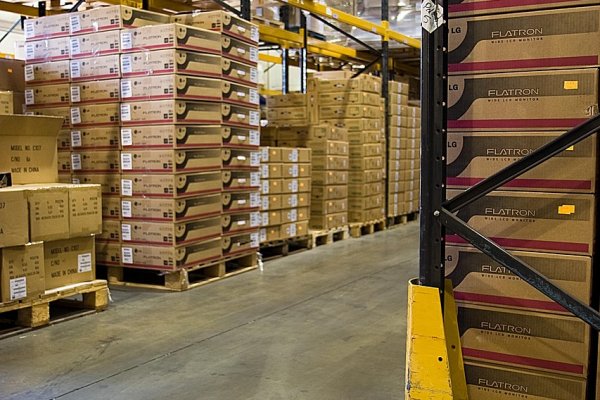
Finding Your New Warehouse Space: A Comprehensive Guide
The growth of your eCommerce business is exciting, but it often brings challenges that require strategic solutions. Whether you're an established eBay seller experiencing rapid expansion or a budding entrepreneur ready to scale operations, finding the right warehouse space can be the difference between streamlined success and logistical nightmares. This comprehensive guide will walk you through the essential considerations when searching for your new warehouse facility, with particular focus on inventory management systems, picking bin configurations, and why locations like Southampton deserve serious consideration.
Understanding Your Warehouse Requirements
Before diving into property listings, you need a clear understanding of your operational needs. The warehouse that works perfectly for a fashion retailer selling on eBay might be completely unsuitable for an electronics distributor or a business handling bulky furniture items.
Assessing Your Storage Needs
Start by analyzing your current and projected inventory levels. Consider these critical factors:
- Product dimensions and weight: Will you need specialized racking systems or standard shelving?
- Volume fluctuations: Does your business experience seasonal peaks that require additional space?
- SKU count: High SKU counts demand more sophisticated organization systems
- Special requirements: Temperature control, security features, or hazardous material storage
- Growth projections: Plan for at least 18-24 months of anticipated expansion
For eBay sellers particularly, the nature of online retail often means diverse product ranges with varying storage requirements. Your warehouse solution must accommodate this complexity while maintaining efficiency.
The Critical Role of Picking Bins in Warehouse Efficiency
One of the most underestimated aspects of warehouse design is the picking bin system. These seemingly simple organizational tools can dramatically impact your operational efficiency and accuracy rates.
Types of Picking Bin Systems
Modern warehouses employ various picking bin configurations, each suited to different business models:
- Static bin systems: Fixed shelving units with designated locations for each SKU
- Flow racks: Gravity-fed systems ideal for high-turnover products
- Mobile bin systems: Flexible configurations that can be reconfigured as inventory changes
- Multi-level pick modules: Maximizing vertical space while maintaining accessibility
When evaluating potential warehouse spaces, consider the ceiling height, floor load capacity, and layout flexibility. A warehouse with 20-foot ceilings allows for multi-tier picking bin installations that can triple your storage density compared to single-level configurations.
Optimizing Pick Paths
The arrangement of your picking bins directly affects order fulfillment speed. Efficient warehouses organize inventory based on velocity analysis, placing fast-moving items in easily accessible locations while slower-moving stock occupies less prime real estate. When viewing potential warehouse spaces, envision how your pick paths would flow and whether the layout supports efficient movement patterns.
Inventory Management Systems: The Digital Backbone
Physical space is only half the equation. Your inventory management capabilities will determine how effectively you utilize that space. Modern warehousing demands integration between physical organization and digital tracking systems.
Essential Inventory Management Features
When establishing operations in a new warehouse, ensure your inventory management system includes:
- Real-time tracking: Know exactly what's in stock, where it's located, and when reordering is necessary
- Multi-channel integration: Seamless connection with eBay and other sales platforms
- Barcode scanning: Reducing human error in receiving, picking, and shipping
- Location management: Assigning specific bin locations to individual SKUs
- Reporting capabilities: Analytics for turnover rates, accuracy metrics, and performance monitoring
The warehouse space you choose should accommodate the technology infrastructure these systems require, including adequate power outlets, network connectivity, and workstation areas for scanning and processing activities.
eBay Integration Considerations
For eBay sellers, inventory management takes on additional complexity. Your system must handle:
- Automatic quantity updates across multiple listings
- Multi-location inventory if you maintain multiple warehouses
- Returns processing and restocking workflows
- International shipment tracking and compliance
Many businesses find that partnering with a specialized third-party logistics provider through platforms like www.search3pl.com offers access to established warehouse facilities with these systems already in place, eliminating the setup time and capital investment required for independent operations.
Why Southampton Deserves Your Attention
Southampton has emerged as one of the United Kingdom's premier logistics hubs, and for good reason. This coastal city offers compelling advantages for businesses seeking warehouse space.
Strategic Location Benefits
Southampton's geography provides exceptional connectivity:
- Port access: The Port of Southampton handles over 900,000 containers annually, ideal for importing inventory
- Transport links: Direct motorway access via the M27 and M3 connects to London and the Midlands
- International shipping: Proximity to major shipping lanes reduces transit times for global customers
- Airport facilities: Southampton Airport and close proximity to Heathrow and Gatwick
The Southampton Warehouse Market
The Southampton area offers diverse warehouse options across various price points. From modern purpose-built logistics parks to converted industrial spaces, the market caters to businesses of all sizes. The region has seen significant investment in logistics infrastructure, with many facilities offering:
- Modern loading docks with multiple access points
- Temperature-controlled environments
- 24-hour security systems
- Energy-efficient lighting and climate control
- Office space integrated within warehouse facilities
Southampton's warehouse availability tends to offer better value than London locations while maintaining excellent distribution capabilities throughout the UK and Europe.
Financial Considerations and Planning
Securing warehouse space represents a significant financial commitment. Understanding the full cost structure helps avoid unpleasant surprises.
Beyond the Rental Rate
When budgeting for your new warehouse, factor in:
- Business rates: Property taxes vary significantly by location and building classification
- Utilities: Heating, lighting, and power for equipment can be substantial
- Insurance: Building and contents coverage, liability protection
- Equipment costs: Racking systems, picking bins, forklifts, pallet jacks
- Technology infrastructure: Network installation, security systems, inventory management software
- Staffing: Warehouse personnel, management, and seasonal temporary workers
Many eBay sellers transitioning from home-based operations underestimate these additional costs. A comprehensive financial model should project at least the first 12 months of operation with conservative revenue assumptions.
Making the Final Decision
After identifying suitable warehouse options, conduct thorough site visits during operational hours. Observe traffic patterns, assess natural lighting, and verify that specifications match your requirements.
Due Diligence Checklist
Before signing any lease agreement, complete this essential checklist:
- Verify planning permissions for your intended use
- Inspect the building condition, particularly the roof and loading areas
- Confirm electrical capacity meets your equipment needs
- Review lease terms carefully, including break clauses and renewal options
- Understand maintenance responsibilities and associated costs
- Check accessibility for various vehicle sizes, including delivery lorries
- Assess parking availability for staff and visitors
Alternative Options: Third-Party Logistics
Finding and operating your own warehouse isn't the only solution. Many growing eBay businesses benefit from partnering with established 3PL providers who offer shared warehouse facilities, eliminating capital investment while providing professional inventory management and fulfillment services.
Platforms like www.search3pl.com enable businesses to compare multiple warehouse and fulfillment options, including facilities in Southampton and throughout the UK, helping you find the perfect match for your operational needs and budget constraints.
Conclusion
Finding the right warehouse space requires careful consideration of multiple factors, from physical specifications and location advantages to technology integration and financial sustainability. Whether you're an established eBay seller ready to upgrade from garage operations or an expanding business requiring additional capacity, the decisions you make regarding warehouse selection, picking bin configurations, and inventory management systems will profoundly impact your operational efficiency and growth potential.
Southampton's strategic position, combined with its robust logistics infrastructure, makes it an attractive option worthy of serious consideration. However, the best choice ultimately depends on your specific business requirements, customer base location, and operational preferences. Take time to thoroughly evaluate options, conduct proper due diligence, and don't hesitate to seek expert advice from logistics professionals who understand the complexities of modern warehousing and eCommerce fulfillment.


