
Finding Your Perfect Warehouse Space
Finding Your Perfect Warehouse Space: A Comprehensive Guide
The decision to find a new warehouse facility represents a pivotal moment for any growing business. Whether you're expanding operations, relocating for strategic advantages, or establishing your first dedicated fulfillment center, the choices you make will impact your operational efficiency, customer satisfaction, and bottom line for years to come. This comprehensive guide explores the critical factors that demand your attention when searching for the ideal warehouse space.
Understanding Your Warehouse Requirements
Before embarking on your warehouse search, establishing a clear understanding of your specific needs is paramount. This foundation will guide every subsequent decision and prevent costly mistakes that could hamper your operations.
Assessing Your Space Needs
Calculate your current and projected inventory volumes carefully. Consider seasonal fluctuations, growth projections, and the physical characteristics of your products. A warehouse that feels spacious today may become cramped within months if you haven't accounted for business expansion. Industry experts typically recommend securing 20-30% additional capacity beyond your immediate requirements to accommodate growth without the need for another disruptive relocation.
Location Strategy
Geographic positioning affects everything from shipping costs to employee recruitment. Proximity to major transportation hubs, your customer base, and supplier networks should all factor into your decision. Additionally, consider access to major courier services and whether the location supports efficient last-mile delivery operations.
Racking Storage Systems: The Backbone of Warehouse Efficiency
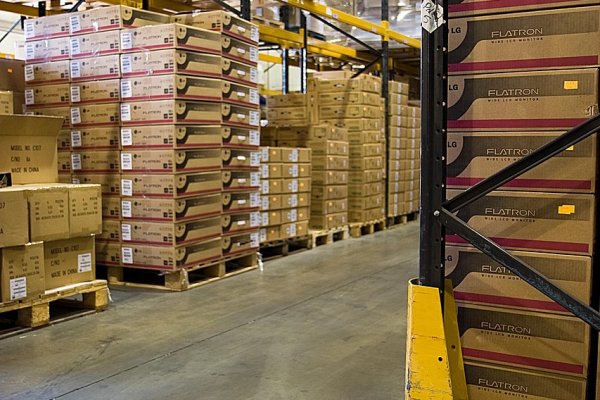
The racking storage infrastructure within your warehouse fundamentally determines how effectively you can utilize vertical space and organize inventory. This isn't merely about shelving—it's about creating a systematic approach to inventory management that maximizes every cubic foot of your facility.
Types of Racking Storage Solutions
Different businesses require different racking configurations based on their inventory characteristics and operational workflows:
- Selective Pallet Racking: The most common and versatile option, providing direct access to every pallet position. Ideal for operations with diverse SKUs and moderate inventory turnover.
- Drive-In and Drive-Through Racking: High-density storage solutions perfect for businesses with large quantities of identical products and lower SKU diversity.
- Push-Back Racking: Combines accessibility with density, allowing multiple pallets per lane while maintaining LIFO (last-in, first-out) inventory flow.
- Cantilever Racking: Specifically designed for long, bulky items such as pipes, timber, or furniture that don't suit standard pallet configurations.
- Mobile Racking Systems: Mounted on tracks, these systems maximize space utilization by eliminating unnecessary aisles while maintaining accessibility.
Evaluating Existing Racking Infrastructure
When touring potential warehouse facilities, scrutinize the existing racking storage systems meticulously. Are they compatible with your products and handling equipment? What is their load capacity and condition? Sometimes inheriting quality racking infrastructure can significantly reduce your setup costs, while other times, outdated or incompatible systems represent hidden expenses that will require immediate investment to rectify.
Don't hesitate to consult with racking specialists who can assess structural integrity, compliance with current safety standards, and suitability for your specific requirements. The initial investment in proper racking evaluation pays dividends in safety, efficiency, and long-term operational costs.
Picking Bin Systems and Order Fulfillment Efficiency
While pallet racking handles bulk storage, picking bin systems facilitate the granular, piece-level inventory management essential for efficient order fulfillment. These systems are particularly critical for e-commerce operations and businesses dealing with small-part inventories or high-velocity SKUs.
Designing Effective Picking Bin Layouts
The configuration of your picking bin areas directly impacts order fulfillment speed and accuracy. Consider implementing zone-based picking strategies where fast-moving items occupy easily accessible locations, while slower-moving inventory resides in secondary zones. This ABC analysis approach to bin placement can reduce picker travel time by up to 40%.
Modern picking bin systems incorporate various technologies to enhance accuracy and productivity:
- Pick-to-Light Systems: LED indicators guide pickers to correct bin locations and quantities, dramatically reducing error rates.
- Voice-Directed Picking: Hands-free technology that provides verbal instructions, allowing pickers to work more efficiently.
- Mobile Scanning Solutions: Barcode or RFID systems that confirm picks in real-time, maintaining inventory accuracy.
- Automated Picking Bins: Robotics and conveyor systems that bring bins to stationary pickers, optimizing workflow.
Flexibility for Growth
Your picking bin configuration should accommodate business evolution. Modular bin systems allow reconfiguration as your product mix changes, preventing the need for complete warehouse redesigns. When evaluating warehouse spaces, assess whether the layout supports flexible picking zones that can adapt to shifting operational demands.
Carrier Integration: DHL and DPD Considerations
Seamless integration with major courier services represents a non-negotiable requirement for modern warehouse operations. Your facility's compatibility with carriers like DHL and DPD affects shipping costs, delivery speed, and ultimately, customer satisfaction.
DHL Partnership Advantages
As one of the world's leading logistics providers, DHL offers comprehensive domestic and international shipping solutions. When selecting a warehouse, consider its proximity to DHL distribution centers and whether the facility meets DHL's operational requirements for efficient pickups.
Key DHL integration factors include:
- Loading dock specifications that accommodate DHL vehicle types
- Technology infrastructure supporting DHL's shipping software and API integration
- Scheduled pickup windows that align with your daily shipping volumes
- Storage for DHL packaging materials and shipping supplies
Many successful operations utilize platforms like www.search3pl.com to identify warehouse facilities with established DHL partnerships, streamlining the transition process and accelerating operational readiness.
DPD Network Optimization
DPD has established itself as a premium parcel delivery network particularly strong in European markets. Their emphasis on precise delivery windows and customer communication makes them an attractive option for businesses prioritizing customer experience.
When evaluating warehouse locations relative to DPD services, consider:
- Geographic coverage within DPD's network for your target markets
- Access to DPD Pickup points if offering customer collection options
- Technology compatibility for DPD's Predict service and delivery notifications
- Volume-based pricing opportunities available through strategic facility location
Multi-Carrier Strategy
Rather than limiting yourself to a single carrier, successful warehouse operations typically integrate multiple courier services. This approach provides redundancy during peak periods, allows carrier selection based on specific shipment characteristics, and creates competitive pricing leverage through volume distribution.
Your new warehouse should accommodate the operational requirements of both DHL and DPD, along with regional carriers and specialized freight services. Dedicated staging areas for different carriers, technology systems that support multi-carrier label generation, and scheduling flexibility all contribute to seamless multi-carrier operations.
Technology Infrastructure and Connectivity
Modern warehouse operations depend on robust technology infrastructure that many businesses overlook during their facility search. Reliable internet connectivity, adequate electrical capacity for warehouse management systems, and appropriate network infrastructure for wireless devices all require verification before committing to a space.
Evaluate the facility's capacity to support:
- Warehouse Management Systems (WMS) with cloud connectivity requirements
- Real-time inventory tracking through RFID or barcode systems
- Integration with e-commerce platforms and order management systems
- Security systems including cameras, access control, and alarm monitoring
Making Your Final Decision
Finding the right warehouse involves balancing numerous competing priorities within budget constraints. Create a weighted scoring system that reflects your business's specific priorities, whether that's racking storage capacity, picking bin optimization, carrier proximity, or other factors unique to your operation.
Visit multiple facilities, preferably during operational hours to observe traffic flow and activity levels. Engage with www.search3pl.com to compare options and gain insights from businesses with similar requirements. Consult with logistics professionals who can identify potential issues that might escape notice during initial tours.
The warehouse you select today will serve as the foundation for your operational success tomorrow. By thoroughly evaluating racking storage systems, implementing efficient picking bin configurations, and ensuring seamless integration with carriers like DHL and DPD, you position your business for sustained growth and customer satisfaction. Take the time to make an informed decision—your future operations depend on it.


