
Your Warehouse Search Just Got Critical: What You Must Know
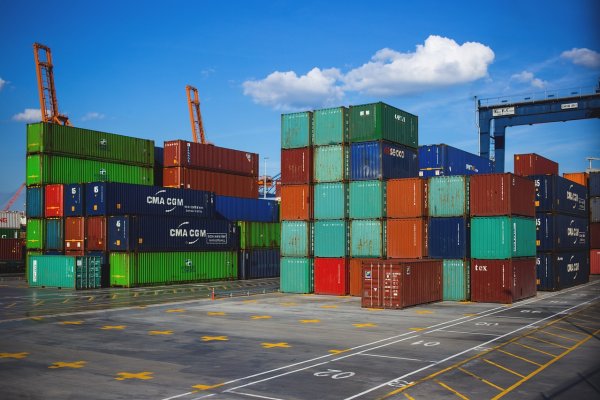
The decision to find a new warehouse can make or break your ecommerce business. Whether you're experiencing rapid growth, expanding into new markets, or simply outgrowing your current facilities, selecting the right warehousing partner is one of the most strategic decisions you'll make as a business owner. For WooCommerce retailers dealing with UK imports and complex transportation networks, this decision becomes even more critical.
In today's competitive landscape, the right warehouse isn't just about storage space—it's about creating a seamless ecosystem that integrates with your technology, optimizes your supply chain, and delivers exceptional customer experiences. Let's explore everything you need to know about finding the perfect warehouse solution for your growing business.
Understanding Your WooCommerce Warehouse Requirements
Before you begin your search for a new warehouse, you need to understand exactly what your WooCommerce store requires. The integration between your ecommerce platform and your physical fulfilment operations is absolutely crucial to maintaining efficient operations and customer satisfaction.
Technology Integration Essentials
Your new warehouse must offer seamless WooCommerce integration that automates order processing, inventory management, and shipping notifications. Without proper integration, you'll find yourself managing multiple systems manually, which creates inefficiencies and increases the likelihood of costly errors.
- Real-time inventory synchronization between WooCommerce and warehouse management systems
- Automatic order import and processing capabilities
- Tracking number updates that feed directly back to customer accounts
- Returns management integration for streamlined reverse logistics
- Multi-channel inventory allocation if you sell across multiple platforms
Scalability and Growth Considerations
Your business won't stay static, so neither should your warehousing solution. When evaluating potential facilities, consider not just your current needs but where you'll be in twelve, twenty-four, or thirty-six months. Scalability should be a non-negotiable requirement in your warehouse selection criteria.
Ask potential warehouse partners about their capacity to handle seasonal fluctuations, particularly during peak shopping periods like Black Friday, Cyber Monday, and the holiday season. A warehouse that can accommodate 1,000 orders per day during normal periods but struggles with 5,000 orders during peak times will become a bottleneck to your growth.
Navigating UK Import Complexities
For businesses importing goods into the UK, warehouse selection becomes exponentially more complex. Post-Brexit regulations have added additional layers of complexity that require specialized knowledge and infrastructure.
Customs and Compliance Requirements
Your warehouse partner must be thoroughly versed in UK import regulations and customs procedures. This expertise isn't optional—it's essential for avoiding costly delays, penalties, and customer dissatisfaction.
Look for warehouses that offer:
- Bonded warehouse facilities for duty deferment
- Experienced customs brokerage services or partnerships
- Documentation management for commercial invoices, certificates of origin, and commodity codes
- VAT handling expertise specific to ecommerce imports
- Knowledge of HMRC requirements and reporting obligations
Strategic Location for UK Distribution
The location of your warehouse within the UK significantly impacts your ability to serve customers efficiently. Proximity to major ports like Felixstowe, Southampton, or London Gateway can reduce transportation costs and transit times for incoming shipments.
However, you must also consider your customer distribution. A warehouse positioned in the Midlands, for example, offers excellent access to both northern and southern regions of the UK, potentially allowing you to offer next-day delivery to the majority of UK postcodes. Platforms like www.search3pl.com can help you compare warehouse locations and services to find the optimal solution for your specific needs.
The 4PL Advantage: Beyond Traditional Warehousing
As your business grows in complexity, you might find that a traditional third-party logistics (3PL) provider isn't enough. This is where Fourth-Party Logistics (4PL) providers come into play, offering a more comprehensive approach to supply chain management.
What Makes 4PL Different?
While a 3PL provider handles the physical aspects of warehousing and fulfilment, a 4PL acts as a supply chain integrator, managing your entire logistics operation including multiple 3PLs, transportation providers, and technology systems. Think of a 4PL as your outsourced logistics department.
A 4PL provider offers:
- Strategic supply chain planning and optimization
- Management of multiple warehouse and fulfilment locations
- Coordination between various transportation providers
- Advanced analytics and reporting across your entire supply chain
- Technology platform integration and management
- Continuous improvement initiatives and cost optimization
When Should You Consider 4PL Services?
Not every business needs a 4PL partner, but certain situations make this model particularly attractive. If you're managing inventory across multiple countries, dealing with complex international shipping requirements, or coordinating between several different logistics providers, a 4PL can provide the strategic oversight necessary to keep everything running smoothly.
For WooCommerce businesses importing into the UK from multiple origins—perhaps manufacturing in Asia while sourcing packaging materials from Europe—a 4PL can orchestrate these various supply chain elements into a cohesive, efficient system.
Transportation: The Critical Connection
A warehouse is only as good as the transportation network that connects it to your suppliers and customers. When evaluating potential warehouse partners, their transportation capabilities and partnerships should be a central consideration.
Inbound Transportation Management
How efficiently can the warehouse receive your imported goods? Strong relationships with freight forwarders, drayage companies, and port operators can significantly reduce the time between your goods arriving in the UK and being available for customer orders.
Key transportation considerations for inbound logistics include:
- Container devanning capabilities at the warehouse facility
- Coordination with ocean freight and air freight providers
- Cross-docking options for time-sensitive inventory
- Consolidated shipping options to reduce costs
- Appointment scheduling systems to avoid port demurrage charges
Outbound Delivery Networks
Your customers judge your business based on delivery speed, accuracy, and communication. The warehouse you choose must have exceptional outbound transportation capabilities that align with your customer service promises.
Evaluate potential partners on:
- Carrier relationships and negotiated rates (Royal Mail, DPD, DHL, Hermes, etc.)
- Same-day and next-day delivery capabilities
- International shipping options for cross-border sales
- Returns collection and processing services
- Track-and-trace technology integration
- Delivery exception management and customer communication protocols
Cost Considerations and Pricing Models
Understanding warehouse pricing structures is essential for making an informed decision. Different providers use different pricing models, and what appears cheapest initially may not be the most cost-effective option long-term.
Common Pricing Components
Warehouse costs typically include several components: receiving fees for inbound shipments, storage fees (often charged per pallet or cubic foot), pick-and-pack fees per order, and shipping costs. Some providers charge monthly minimums, while others offer purely variable pricing based on activity.
Don't forget to factor in hidden costs like:
- Integration and onboarding fees
- Special handling charges for fragile or oversized items
- Returns processing fees
- Inventory management and reporting fees
- Peak season surcharges
Calculating Total Cost of Ownership
The cheapest warehouse isn't always the best value. A slightly more expensive provider that offers superior WooCommerce integration might save you countless hours of manual work. A warehouse with better transportation partnerships might offer lower shipping rates that offset higher storage costs.
When comparing options through directories like www.search3pl.com, create a comprehensive spreadsheet that accounts for all cost components based on your projected volumes. This total cost of ownership approach will give you a much clearer picture of the real financial impact of each option.
Making Your Final Decision
Finding the right warehouse is a process that requires careful consideration of numerous factors. Start by clearly defining your requirements, including your WooCommerce integration needs, UK import volumes, current and projected order volumes, and special handling requirements.
Visit potential facilities in person whenever possible. A warehouse tour reveals details that won't appear in sales materials—the organization of the facility, the sophistication of their technology, the training of their staff, and the general operational efficiency.
Key Questions to Ask Potential Partners
Before making your final decision, ensure you have clear answers to these critical questions:
- What is your experience with businesses in my industry and of my size?
- Can you demonstrate your WooCommerce integration capabilities?
- What is your process for handling UK import customs clearance?
- How do you handle peak season volume fluctuations?
- What are your order accuracy rates and on-time shipping percentages?
- What happens if inventory is damaged or lost?
- What are your communication protocols when issues arise?
- Can you provide references from similar clients?
Conclusion: Your Warehouse as a Strategic Asset
Finding a new warehouse isn't just a logistical necessity—it's an opportunity to transform your business operations and position yourself for sustainable growth. The right warehouse partner brings expertise in WooCommerce integration, understands the complexities of UK imports, offers strategic 4PL capabilities when needed, and maintains a robust transportation network.
Take the time to thoroughly evaluate your options, ask difficult questions, and ensure that any potential partner aligns with both your current needs and future ambitions. Your warehouse isn't just where your products sit between purchase and delivery—it's a critical component of your customer experience and brand promise.
The warehouse you choose today will impact your business for years to come. Make the decision count.


