
Comparing Third Party Logistics Services and Warehouse Solutions
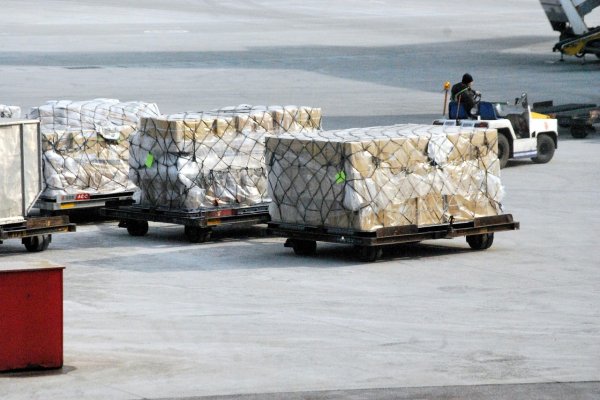
Selecting the right third-party logistics provider and warehouse solution represents one of the most critical decisions for businesses managing inventory and distribution. With countless options available, particularly in major logistics hubs like London, understanding the key factors that differentiate services becomes essential for making informed choices that align with your operational needs and budget constraints.
Understanding Warehouse Management Systems in Modern Logistics
A Warehouse Management System (WMS) forms the technological backbone of contemporary fulfillment operations. This sophisticated software orchestrates every aspect of warehouse activity, from receiving and putaway to picking, packing, and shipping. When comparing 3PL providers, the quality and capabilities of their WMS platform should rank among your top evaluation criteria.
Essential WMS Features to Compare
Not all warehouse management systems offer equal functionality. When evaluating potential partners, examine these critical capabilities:
- Real-time inventory visibility across multiple locations and channels
- Automated picking optimization to reduce labor costs and increase accuracy
- Integration capabilities with e-commerce platforms, ERPs, and shipping carriers
- Advanced reporting and analytics for data-driven decision making
- Scalability features that grow with your business requirements
- Mobile accessibility for warehouse floor operations
- Returns management functionality to streamline reverse logistics
The sophistication of a provider's WMS directly impacts operational efficiency. Cloud-based systems typically offer superior flexibility and integration options compared to legacy on-premise solutions. When researching options through platforms like www.search3pl.com, inquire specifically about the WMS technology each provider employs and request demonstrations of the client portal functionality you'll interact with daily.
WMS Integration and Your Business Operations
The best WMS implementations become seamlessly integrated into your broader business ecosystem. Consider how potential providers handle integration with your existing systems. Do they offer pre-built connectors for popular platforms like Shopify, Amazon, or WooCommerce? What about EDI capabilities for retail partnerships? The ease of integration directly affects implementation timelines and ongoing operational smoothness.
Decoding 3PL Cost Per Pallet Structures
Understanding warehouse storage pricing models represents another crucial element of service comparison. The cost per pallet metric serves as a common pricing benchmark, though the actual rate structure can vary significantly between providers and regions.
Breaking Down Pallet Storage Costs
Third-party logistics providers typically structure pallet storage fees using one of several models:
- Fixed monthly rate per pallet position: A straightforward fee charged for each pallet space occupied, regardless of storage duration within the month
- Variable rate based on duration: Pricing that changes based on how long inventory remains in storage, with higher rates for long-term storage
- Tiered pricing structures: Volume-based discounts where per-pallet costs decrease as you store more inventory
- Dynamic pricing: Rates that fluctuate based on facility capacity, seasonal demand, or other market factors
In London specifically, pallet storage costs typically range from £8 to £25 per pallet per week, though premium facilities in prime locations may charge considerably more. These rates generally include basic handling for inbound and outbound movements, though additional services like labeling, kitting, or special handling incur separate fees.
Hidden Costs Beyond Base Pallet Rates
The advertised cost per pallet rarely tells the complete financial story. Comprehensive service comparison requires examining the entire fee structure:
- Receiving and putaway charges: Fees for processing inbound shipments and placing them into storage
- Order fulfillment costs: Pick, pack, and ship fees calculated per order or per line item
- Minimum monthly charges: Base fees that apply regardless of volume
- Account management fees: Administrative costs for dedicated support
- Technology access fees: Charges for WMS portal usage or API connections
- Special handling requirements: Additional costs for hazardous materials, temperature control, or oversized items
Request detailed pricing schedules from multiple providers and create standardized comparison spreadsheets. This analytical approach reveals the true cost differences and helps identify which provider offers the best value proposition for your specific operational profile.
Racking Storage Solutions and Space Optimization
The racking infrastructure within a warehouse facility significantly impacts both cost efficiency and operational capability. Different racking systems suit different inventory profiles, and understanding these distinctions helps evaluate whether a provider's physical infrastructure aligns with your requirements.
Common Racking System Types
Modern warehouses employ various racking configurations, each offering distinct advantages:
Selective Pallet Racking: The most common system providing direct access to every pallet position. This configuration maximizes picking efficiency but offers lower storage density. Ideal for businesses with high SKU counts and frequent inventory turnover.
Drive-In and Drive-Through Racking: High-density storage where forklifts drive directly into racking lanes. These systems dramatically increase storage capacity but operate on last-in-first-out (LIFO) principles, making them suitable for large quantities of identical products with less time sensitivity.
Push-Back Racking: A dynamic system where pallets load from one side and automatically move backward, allowing multiple-deep storage with better selectivity than drive-in configurations. This solution balances density with accessibility.
Pallet Flow Racking: Gravity-fed systems where pallets load from the back and automatically roll forward to the pick face. These first-in-first-out (FIFO) systems excel for date-sensitive inventory like food products or cosmetics.
Matching Racking Systems to Your Inventory Profile
When comparing warehouse providers, assess whether their racking infrastructure suits your inventory characteristics. Questions to consider include:
- Do you stock numerous SKUs requiring individual pallet access, or fewer SKUs in larger quantities?
- Does your inventory have expiration dates requiring FIFO rotation?
- What are your typical pallet dimensions and weight profiles?
- How frequently do you need to access stored inventory?
- Do you require specialized storage like hanging garments or small parts shelving?
The alignment between racking infrastructure and inventory profile directly affects both storage costs and fulfillment efficiency. A provider with inappropriate racking may offer attractive per-pallet pricing but deliver poor operational performance.
Navigating London's Logistics Landscape
London presents unique considerations for warehouse and fulfillment services. As one of Europe's largest commercial centers, the capital offers abundant 3PL options but also poses specific challenges that influence service comparison.
Location Considerations Within Greater London
Geographic positioning within London's extensive logistics network significantly impacts both costs and delivery capabilities. Facilities closer to central London command premium pricing but offer faster last-mile delivery to urban customers. Conversely, locations in outer boroughs or the surrounding M25 corridor provide cost advantages while maintaining reasonable access to major transportation arteries.
Key logistics zones include the Park Royal industrial area in West London, the Lea Valley corridor to the north, and the extensive warehouse developments along the M1, M4, and M25 motorways. Each area offers different trade-offs between cost, congestion, and connectivity.
London-Specific Operational Factors
When comparing London-based 3PL providers through directories like www.search3pl.com, consider these metropolitan-specific factors:
- Congestion charges and emissions zones: Ultra-Low Emission Zone (ULEZ) requirements affect delivery costs and vehicle fleet composition
- Labor availability and costs: London's higher wage rates impact fulfillment pricing compared to other UK regions
- Property costs: Expensive real estate translates to higher warehouse charges, particularly in prime locations
- Transport infrastructure: Proximity to Heathrow, Gatwick, and major rail terminals benefits international distribution
- Delivery windows: Urban delivery constraints may require evening or weekend fulfillment capabilities
Regional Alternatives Worth Considering
While London offers undeniable advantages for certain business models, alternative locations merit consideration. The East Midlands logistics corridor around Nottingham and Leicester provides excellent UK coverage at substantially lower costs. Similarly, facilities near Birmingham or Manchester offer strong connectivity to national motorway networks while avoiding London's cost premium.
Creating an Effective Service Comparison Framework
With understanding of WMS capabilities, pallet pricing structures, racking configurations, and location factors, you can construct a systematic comparison methodology that identifies the optimal 3PL partner for your specific requirements.
Developing Your Evaluation Criteria
Begin by establishing weighted criteria reflecting your operational priorities. For example:
- Technology capabilities (25%): WMS features, integration ease, reporting quality
- Total cost structure (30%): Comprehensive pricing including all fees and potential volumes
- Geographic positioning (15%): Delivery zones, transport access, expansion possibilities
- Infrastructure suitability (15%): Racking systems, facility capacity, special requirements
- Service flexibility (15%): Value-added services, scalability, seasonal accommodation
Adjust these weightings based on what matters most for your business. A company with complex technical integration needs might prioritize technology higher, while a cost-sensitive operation might emphasize total pricing structure.
The Request for Proposal Process
Issue standardized RFPs to shortlisted providers containing identical volume projections, service requirements, and timeline expectations. This consistency enables genuine apples-to-apples comparison. Include representative order profiles showing typical SKU counts, order sizes, and seasonal fluctuations to receive accurate pricing.
Beyond written proposals, conduct site visits to finalist facilities. Physical inspections reveal operational realities that don't appear in marketing materials—facility cleanliness, security measures, staff professionalism, and technology implementation quality all become apparent during in-person assessment.
Making Your Final Selection Decision
Comprehensive service comparison ultimately aims to identify not merely the cheapest option, but the best-value partner capable of supporting your growth trajectory. The lowest cost per pallet means little if poor WMS functionality creates operational headaches or inadequate racking infrastructure limits inventory capacity.
Consider starting relationships with trial periods or limited product ranges before committing entire operations. This measured approach allows real-world evaluation of service quality, technology performance, and communication effectiveness before deeper integration.
The logistics landscape continues evolving, with automation, sustainability initiatives, and omnichannel complexity reshaping warehouse operations. Select partners demonstrating not only current capability but also forward-thinking investment in technologies and practices that will remain competitive as your business and the broader industry advance.
By systematically evaluating WMS platforms, understanding true pallet storage costs, assessing racking infrastructure suitability, and considering location-specific factors like those affecting London operations, you'll position your business with the warehouse and fulfillment partnership that drives rather than constrains growth.


