
Comparing Fulfilment Services for Modern Ecommerce Success
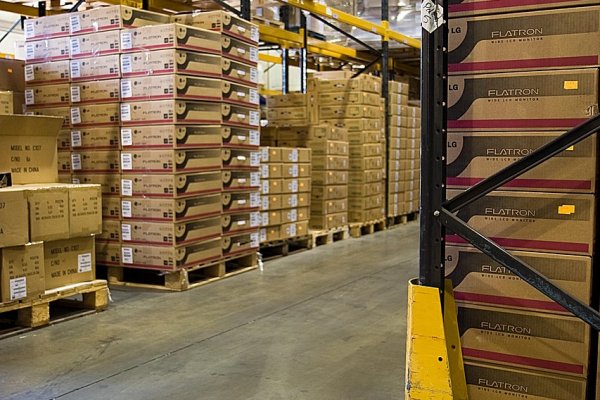
The ecommerce landscape has evolved dramatically, presenting businesses with numerous fulfilment options that can significantly impact their operational efficiency, customer satisfaction, and bottom line. As online retail continues to expand, understanding the nuances between different fulfilment services becomes crucial for maintaining competitive advantage. Whether you're a startup testing the waters or an established brand looking to optimize operations, choosing the right fulfilment strategy requires careful consideration of multiple factors.
This comprehensive comparison explores key fulfilment service models, storage solutions, and sustainable practices that are shaping the future of ecommerce logistics in the United Kingdom and beyond. By understanding these options, businesses can make informed decisions that align with their growth objectives and operational requirements.
Understanding FBM: Fulfilment by Merchant
Fulfilment by Merchant (FBM) represents the traditional approach where sellers maintain complete control over their inventory, storage, and shipping processes. This model has remained popular among businesses that value direct oversight and customer relationship management.
Advantages of the FBM Model
The FBM approach offers several compelling benefits for specific business scenarios. First and foremost, it provides complete control over inventory management and packaging presentation. Businesses can customize every aspect of the customer experience, from branded packaging to personalized notes, creating memorable unboxing experiences that strengthen brand identity.
- Direct control over inventory levels and product availability
- Flexibility in packaging and presentation choices
- Lower per-unit costs for high-volume sellers
- Ability to bundle products and create custom offerings
- Direct customer communication throughout the fulfilment process
- No storage limitations or long-term storage fees
Challenges and Considerations
However, FBM requires significant investment in infrastructure and resources. Businesses must secure appropriate warehouse space, implement efficient racking storage systems, hire and train staff, and manage the complexities of shipping logistics. For smaller operations, these requirements can become overwhelming as order volumes increase.
The scalability challenge becomes particularly acute during peak seasons when order volumes spike dramatically. Without proper planning and resources, FBM operations can struggle to maintain service levels during these critical periods, potentially damaging customer relationships and brand reputation.
Third-Party Logistics: The 3PL Advantage
Third-party logistics providers have revolutionized how ecommerce businesses approach fulfilment. The 3pl ecommerce fulfilment uk market has matured significantly, offering sophisticated solutions that combine efficiency, scalability, and cost-effectiveness.
What 3PL Services Offer
Modern 3PL providers function as comprehensive logistics partners, handling everything from receiving inventory to final mile delivery. They leverage economies of scale, advanced technology, and specialized expertise to deliver services that would be prohibitively expensive for individual businesses to replicate.
When exploring options through directories like www.search3pl.com, businesses discover providers offering integrated solutions including warehousing, order processing, inventory management, shipping coordination, and returns handling. This comprehensive approach allows businesses to focus on core competencies like product development and marketing while logistics experts manage the operational complexities.
Comparing 3PL to In-House Fulfilment
The decision between 3PL and in-house fulfilment ultimately depends on business stage, growth trajectory, and strategic priorities. 3PL solutions excel in several key areas:
- Scalability: 3PL providers can rapidly adjust to fluctuating order volumes without requiring long-term commitments to warehouse space or additional staff
- Geographic Reach: Multi-location 3PL networks enable faster delivery times and reduced shipping costs through strategic inventory placement
- Technology Integration: Advanced warehouse management systems and real-time tracking provide visibility previously available only to large enterprises
- Cost Predictability: Per-order pricing models convert fixed costs into variable expenses, improving cash flow management
- Expertise Access: Benefit from specialized knowledge in areas like international shipping, customs compliance, and hazardous materials handling
Optimizing Storage Solutions: Racking Systems
Regardless of whether businesses choose FBM or 3PL, effective racking storage systems form the foundation of efficient warehouse operations. The right storage infrastructure directly impacts picking efficiency, inventory accuracy, and space utilization.
Types of Racking Systems
Modern warehouses employ various racking configurations, each suited to different product characteristics and operational requirements. Selective racking provides easy access to every pallet, making it ideal for businesses with diverse SKU ranges. Drive-in racking maximizes density for high-volume, low-variety inventory. Pallet flow systems enable first-in-first-out inventory rotation, crucial for time-sensitive products.
The choice of racking system significantly influences operational efficiency. Well-designed storage infrastructure reduces travel time for warehouse staff, minimizes picking errors, and maximizes available cubic space. When evaluating 3PL providers, understanding their storage capabilities and how they align with your product portfolio becomes essential.
Technology-Enhanced Storage
Advanced 3PL facilities increasingly incorporate automation and smart storage solutions. Automated storage and retrieval systems (AS/RS), robotic picking solutions, and warehouse management software create highly efficient operations that reduce errors while increasing throughput. These technological investments, typically beyond the reach of individual merchants, represent a significant advantage of partnering with established 3PL providers.
Sustainability in Ecommerce Fulfilment
Environmental responsibility has transitioned from optional consideration to business imperative. Consumers increasingly favor brands demonstrating genuine commitment to sustainability, and fulfilment operations present numerous opportunities for environmental impact reduction.
Sustainable Packaging Practices
The packaging component of fulfilment generates significant environmental impact. Progressive businesses and 3PL providers are implementing sustainable alternatives including recycled and recyclable materials, right-sized packaging to minimize waste, biodegradable void fill, and elimination of single-use plastics.
These changes deliver dual benefits: reducing environmental footprint while often decreasing costs through material reduction and dimensional weight savings. When comparing fulfilment services through platforms like www.search3pl.com, sustainability practices should factor prominently in provider evaluation.
Carbon-Neutral Shipping and Operations
Leading 3pl ecommerce fulfilment uk providers are implementing comprehensive sustainability programs extending beyond packaging. These initiatives include:
- Carbon-neutral shipping options through verified offset programs
- Electric vehicle fleets for final mile delivery
- Solar-powered warehouse facilities
- Energy-efficient climate control and lighting systems
- Waste reduction and recycling programs
- Consolidated shipping to minimize transportation emissions
The Business Case for Sustainable Fulfilment
Beyond ethical considerations, sustainable fulfilment practices deliver measurable business benefits. They enhance brand reputation, appeal to environmentally conscious consumers, reduce regulatory risk, and often generate cost savings through efficiency improvements. As sustainability reporting requirements expand, partnering with providers maintaining robust environmental programs positions businesses favorably for future compliance demands.
Making the Right Choice for Your Business
Selecting between fulfilment models requires honest assessment of your business characteristics, resources, and objectives. Consider these critical factors when evaluating options:
Volume and Growth Trajectory
Current order volume and projected growth significantly influence optimal fulfilment strategy. Businesses processing fewer than 100 orders monthly might manage FBM effectively, while those exceeding several hundred orders typically benefit from 3PL partnerships. However, rapid growth expectations should factor heavily in decision-making, as transitioning fulfilment models during high-growth phases creates operational challenges.
Product Characteristics
Product dimensions, weight, fragility, and value impact fulfilment economics. Oversized items, hazardous materials, or products requiring specialized handling may necessitate specialized 3PL providers. Conversely, simple, durable products might suit straightforward FBM operations.
Customer Expectations
Modern consumers expect fast, affordable, and transparent shipping. Meeting these expectations often requires the geographic distribution and carrier relationships that established 3PL providers maintain. Businesses competing in markets where two-day or next-day delivery represents the standard frequently find 3PL partnerships essential for competitiveness.
Financial Considerations
Compare total fulfilment costs comprehensively, including often-overlooked expenses like warehouse rent, utilities, insurance, staff salaries, equipment, and shipping materials. 3PL pricing appears straightforward but requires careful analysis of pick-and-pack fees, storage costs, and potential additional charges. Create detailed cost models reflecting realistic volume scenarios to enable accurate comparison.
Conclusion: Strategic Fulfilment Decisions
The fulfilment services landscape offers diverse options, each with distinct advantages and limitations. FBM provides control and customization but demands significant resources and operational expertise. 3PL partnerships deliver scalability, technology access, and geographic reach while potentially sacrificing some direct customer touchpoints. Modern racking storage systems and commitment to sustainability represent non-negotiable elements regardless of chosen model.
Successful ecommerce businesses recognize that fulfilment strategy isn't static. Regular reassessment ensures alignment between operational approach and evolving business needs. Whether managing fulfilment internally or partnering with specialized providers, the ultimate goal remains consistent: delivering exceptional customer experiences efficiently and sustainably while supporting profitable growth in an increasingly competitive marketplace.


