
Your 3PL Choice Could Make or Break Your Business
The Critical Decision That Defines Your Supply Chain Success
In today's hypercompetitive marketplace, the selection of a third-party logistics provider isn't just another vendor relationship—it's a strategic partnership that can propel your business forward or anchor it in mediocrity. With global supply chains growing increasingly complex and customer expectations reaching unprecedented heights, choosing the right 3PL partner has become a make-or-break decision for enterprises of all sizes.
The logistics landscape has transformed dramatically over the past decade. What was once a simple matter of storing products and shipping them to customers has evolved into a sophisticated ecosystem involving advanced warehouse management systems, intricate racking storage configurations, precision-tuned efficiency metrics, and seamless coordination with multiple haulier networks. Understanding how to evaluate and compare 3PL providers across these critical dimensions is essential for any business serious about scaling operations and maintaining competitive advantage.
Understanding the Foundation: Racking Storage Systems
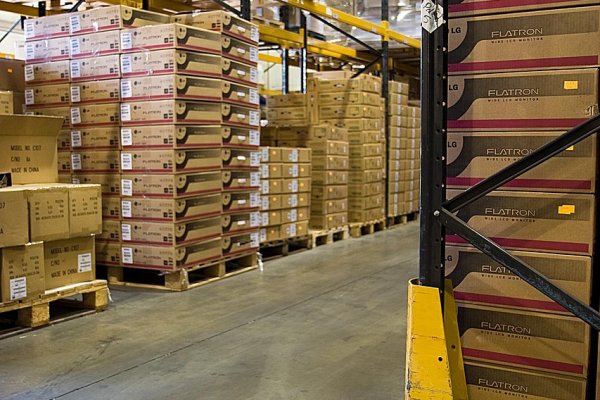
When comparing 3PL providers, one of the most fundamental yet frequently overlooked aspects is their approach to racking storage systems. The configuration, quality, and optimization of warehouse racking directly impacts everything from storage density to picking efficiency and inventory accuracy.
Types of Racking Systems and Their Impact
Not all 3PL facilities are created equal when it comes to storage infrastructure. Modern logistics providers employ various racking solutions, each with distinct advantages:
- Selective Pallet Racking: The most common system, offering direct access to every pallet but with lower storage density
- Drive-In/Drive-Through Racking: Maximizes storage density for high-volume SKUs but sacrifices selectivity
- Push-Back Racking: Provides an excellent balance between density and accessibility for medium-turnover products
- Cantilever Racking: Essential for long, bulky items that don't fit standard pallet configurations
- Automated Storage and Retrieval Systems (AS/RS): The pinnacle of storage efficiency, combining robotics with optimized racking
When evaluating potential 3PL partners, ask specific questions about their racking configurations and how they align with your product portfolio. A provider that uses outdated or inappropriate storage systems will create bottlenecks that no amount of operational excellence can overcome.
Storage Optimization and Scalability
Beyond the type of racking, examine how the 3PL provider optimizes their storage space. Advanced providers use warehouse management systems that dynamically assign storage locations based on product velocity, size, and seasonality. This intelligent slotting ensures that fast-moving items occupy prime picking locations while slower inventory utilizes higher-density storage areas.
Furthermore, consider scalability. As your enterprise grows, will the 3PL's storage infrastructure accommodate increased volume without compromising efficiency? Providers with flexible racking configurations and expansion capacity offer crucial breathing room for growth.
Efficiency Metrics That Truly Matter
The word "efficiency" gets thrown around liberally in 3PL marketing materials, but what does it actually mean in practical terms? When comparing providers, you need to dig beneath surface-level claims and examine concrete performance indicators.
Order Fulfillment Speed and Accuracy
Two metrics stand above all others in measuring 3PL efficiency: how quickly orders are processed and how accurately they're fulfilled. Request specific data on:
- Average time from order receipt to shipment
- Same-day shipping cutoff times
- Order accuracy rates (industry leaders maintain 99.5% or higher)
- Pick rates per hour across different product categories
These numbers tell a story that promotional materials cannot. A 3PL claiming superior efficiency but unable to provide detailed performance data should raise immediate red flags.
Technology Integration and Automation
Modern efficiency stems from technology integration. The most capable 3PL providers have invested heavily in warehouse management systems, automated picking technologies, and real-time inventory tracking. When comparing options through platforms like www.search3pl.com, prioritize providers whose technology stack seamlessly integrates with your existing systems.
Ask potential partners about their automation roadmap. Even if your current volume doesn't justify extensive automation, working with a forward-thinking provider ensures you won't need to switch 3PLs as you scale.
Labor Management and Training
Behind every efficient warehouse operation stands a well-trained, properly managed workforce. Inquire about employee retention rates, training programs, and quality control processes. High staff turnover often correlates with decreased accuracy and slower fulfillment—costs that ultimately impact your bottom line and customer satisfaction.
Enterprise-Level Considerations for Growing Businesses
For established businesses and rapidly growing enterprises, 3PL selection involves additional layers of complexity beyond basic warehousing and fulfillment capabilities.
Multi-Channel Distribution Expertise
Enterprise operations typically involve selling across multiple channels—direct-to-consumer, retail partnerships, B2B relationships, and marketplace platforms. Your 3PL partner must demonstrate sophisticated multi-channel fulfillment capabilities, including the ability to:
- Manage different packaging and labeling requirements for various sales channels
- Prioritize orders based on channel-specific SLAs
- Provide channel-specific reporting and analytics
- Handle complex routing logic for split shipments and backordered items
Geographic Network and Distribution Strategy
Enterprise-scale businesses benefit enormously from strategically positioned fulfillment centers. A 3PL with multiple facilities across key geographic regions enables faster delivery times, reduced shipping costs, and improved customer satisfaction. When comparing providers, evaluate their facility network against your customer concentration and growth plans.
Value-Added Services for Competitive Differentiation
Beyond basic pick-and-pack operations, enterprise clients often require specialized services such as kitting, custom packaging, product customization, and returns processing. The right 3PL partner functions as an extension of your brand, capable of executing these value-added services with the same attention to detail you would apply internally.
The Haulier Connection: Transportation That Delivers
A 3PL's storage and fulfillment capabilities mean little if they cannot effectively move products to their final destinations. The relationship between your 3PL and their haulier network represents a critical evaluation point.
Carrier Relationships and Negotiating Power
Established 3PL providers leverage their shipping volume to negotiate preferential rates with major carriers—savings they should pass along to clients. Ask potential partners about their carrier relationships and whether they have dedicated account representatives with major hauliers. These relationships often mean faster problem resolution when shipping issues arise.
Multi-Modal Transportation Options
Different products and destinations require different transportation solutions. The most versatile 3PL providers offer access to:
- Small parcel carriers for direct-to-consumer shipments
- LTL (less-than-truckload) services for B2B orders
- FTL (full-truckload) options for large volume movements
- Specialized carriers for temperature-sensitive or high-value goods
- International shipping expertise for cross-border commerce
This multi-modal capability ensures optimal shipping methods based on specific order characteristics rather than forcing all shipments through a one-size-fits-all approach.
Tracking, Visibility, and Customer Communication
Modern customers expect detailed shipment tracking and proactive communication. Your 3PL's integration with haulier tracking systems should provide real-time visibility into shipment status. Furthermore, automated notification systems should keep customers informed throughout the delivery journey, reducing "where is my order" inquiries to your customer service team.
The Comparison Process: A Systematic Approach
With so many variables to consider, comparing 3PL providers can feel overwhelming. A structured evaluation framework ensures you make decisions based on data rather than sales pitches.
Create a Weighted Scoring System
Develop a scorecard that assigns weights to different factors based on their importance to your specific business. For example, an enterprise selling fragile products might weight packaging expertise more heavily, while a high-volume, low-margin business might prioritize storage costs and shipping rates above all else.
Request Detailed Proposals and Conduct Site Visits
Nothing replaces seeing facilities in person. Visit potential 3PL partners' warehouses to observe their racking systems, meet the team, and assess operational flow. Pay attention to cleanliness, organization, and the demeanor of warehouse staff—these details reveal operational culture that impacts your products daily.
Leverage Comparison Platforms
Platforms like www.search3pl.com streamline the comparison process by providing standardized information across multiple providers. These resources help you quickly identify candidates that meet your basic requirements before investing time in detailed evaluations.
Check References and Case Studies
Request references from clients with similar product profiles and order volumes. Ask specific questions about responsiveness during peak seasons, problem resolution, and long-term partnership satisfaction. A provider's treatment of existing clients predicts how they'll treat you.
Making the Final Decision
After thorough evaluation, your 3PL selection should balance multiple considerations: cost competitiveness, operational capabilities, technology sophistication, scalability, and cultural fit. Remember that the cheapest option rarely delivers the best value when accounting for errors, delays, and missed growth opportunities.
The right 3PL partnership transforms logistics from a cost center into a competitive advantage. By carefully comparing providers across racking storage capabilities, efficiency metrics, enterprise-level services, and haulier relationships, you position your business for sustainable growth and exceptional customer experiences.
Your supply chain deserves the same strategic attention you give to product development and marketing. Invest the time to compare 3PL providers thoroughly, and you'll create a logistics foundation that supports your business objectives for years to come.


