
Changing Warehouse Providers: Your Complete Transition Guide
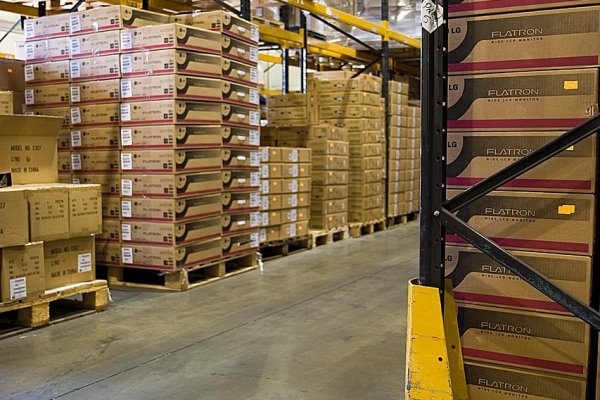
Deciding to change your warehouse provider is a significant business decision that can dramatically impact your supply chain efficiency, customer satisfaction, and bottom line. Whether you're experiencing poor service quality, seeking cost optimization, or scaling your operations, the transition process requires meticulous planning and execution. This comprehensive guide explores the critical components of successfully changing warehouse providers, focusing on workforce training, inventory management, transportation logistics, and palletisation strategies.
Understanding When It's Time to Change
Before diving into the mechanics of changing providers, it's essential to recognize the signs that indicate a transition is necessary. Common triggers include consistently missed deadlines, escalating costs without improved service, inadequate technology integration, poor communication, or simply outgrowing your current provider's capabilities. The decision shouldn't be taken lightly, as the transition itself demands resources, time, and careful coordination.
Many businesses discover that comparing multiple providers through platforms like www.search3pl.com helps them understand what's available in the market and whether their current arrangement truly meets industry standards.
Workforce Training: The Human Element of Transition
One of the most overlooked aspects of changing warehouse providers is the human factor. Your new warehouse provider's team needs to understand your business inside and out, and your internal team needs to adapt to new processes, systems, and communication protocols.
Training Your New Warehouse Team
When transitioning to a new provider, ensure they receive comprehensive training on:
- Product knowledge: Detailed information about your SKUs, including handling requirements, fragility, temperature sensitivity, and special storage needs
- Quality standards: Your specific quality control procedures, inspection protocols, and acceptance criteria
- Technology systems: Integration with your WMS, ERP, and e-commerce platforms
- Customer service expectations: Response times, communication protocols, and problem resolution procedures
- Safety protocols: Specific handling requirements for hazardous materials or specialized equipment
Preparing Your Internal Team
Your own staff requires equal attention during this transition period. They need training on:
- New reporting systems and dashboards
- Updated communication channels and contact points
- Modified ordering and fulfillment procedures
- Different inventory visibility tools and tracking systems
- Revised escalation procedures for issues and exceptions
Allocate at least 4-6 weeks for comprehensive workforce training on both sides. This investment significantly reduces errors during the critical early weeks of the partnership and establishes a foundation for long-term success.
Inventory Management: The Core Challenge
Inventory management during a warehouse provider transition represents the most complex operational challenge. Poor execution can result in stock discrepancies, lost products, fulfillment delays, and damaged customer relationships.
Conducting a Comprehensive Inventory Audit
Before any physical movement begins, perform a complete inventory audit at your current facility. This establishes your baseline and identifies any existing discrepancies before they're attributed to the new provider.
Document everything:
- Conduct a full cycle count of all SKUs
- Photograph high-value items and their storage locations
- Verify lot numbers and expiration dates for date-sensitive inventory
- Document any existing damage or quality issues
- Create detailed reports of inventory age and turnover rates
Transition Strategies for Inventory Movement
You have several options for managing the physical inventory transition:
The "Big Bang" Approach: Moving all inventory during a planned shutdown period. This method minimizes confusion but requires a complete halt to fulfillment operations, typically over a weekend or during a slow season.
The Phased Approach: Gradually transferring inventory by category, velocity, or product line. This maintains operational continuity but requires both warehouses to operate simultaneously, increasing complexity and short-term costs.
The Drawdown Method: Stop replenishing the old warehouse while starting to stock the new one, allowing inventory to naturally deplete before the final transition. This works well for businesses with predictable demand and adequate lead times.
Technology Integration and Data Migration
Ensure your Warehouse Management System (WMS) integration is tested thoroughly before go-live. Data accuracy during migration is paramount—a single decimal point error in location codes or quantities can cascade into significant operational problems.
Create detailed SKU mapping documents that include product dimensions, weights, handling codes, and storage requirements. Share these with your new provider well in advance, allowing them to optimize their facility layout accordingly.
Transportation: Coordinating the Physical Move
The transportation component of changing warehouse providers involves both the one-time transfer of existing inventory and the ongoing reconfiguration of your inbound and outbound shipping networks.
Managing the One-Time Transfer
For the initial inventory movement, consider these factors:
- Carrier selection: Choose carriers experienced in warehouse transfers who understand the importance of maintaining inventory integrity
- Load consolidation: Maximize truck utilization to reduce costs while ensuring product protection
- Insurance coverage: Verify adequate coverage for inventory in transit, especially for high-value goods
- Chain of custody: Implement clear handoff procedures with documentation at every transfer point
- Tracking systems: Use GPS tracking and regular status updates throughout the transfer
Reconfiguring Your Transportation Network
A new warehouse location often necessitates redesigning your entire transportation strategy. This might represent an opportunity to optimize your supply chain beyond simply changing providers.
Analyze how the new location affects:
- Shipping zones and transit times to your customer base
- Carrier rate negotiations based on new lanes and volumes
- Inbound freight from suppliers and manufacturers
- Last-mile delivery options and same-day service capabilities
- International shipping and customs clearance procedures if applicable
Many businesses find that using comparison resources like www.search3pl.com helps them identify providers whose locations strategically optimize their transportation costs and delivery times.
Palletisation: Standardization and Efficiency
Palletisation practices significantly impact warehouse efficiency, transportation costs, and product protection. When changing providers, this represents an excellent opportunity to evaluate and potentially upgrade your palletisation strategies.
Pallet Standards and Specifications
Your new warehouse provider may have different pallet standards than your previous partner. Common considerations include:
- Pallet dimensions (48x40 inches is standard in North America, but 1200x800mm in Europe)
- Pallet type (wood, plastic, or composite materials)
- Four-way versus two-way entry for forklift access
- Weight capacity and load-bearing specifications
- Heat treatment requirements for international shipping (ISPM 15 compliance)
Optimizing Palletisation for Cost and Protection
Work with your new provider to optimize how products are palletised:
Cube utilization: Maximize the three-dimensional space on each pallet to reduce per-unit storage and transportation costs. Calculate the optimal stacking pattern for your product dimensions.
Weight distribution: Ensure proper weight distribution to prevent pallet instability during handling and transit. Place heavier items on the bottom and lighter items on top.
Securing methods: Determine the appropriate stretch wrap, strapping, or corner protection needed for your products. Different items require different securing approaches based on fragility, weight, and value.
Labeling consistency: Establish clear palletisation labeling standards that include pallet ID, contents, quantity, destination, and handling instructions.
Mixed Pallets and Special Configurations
Discuss with your new provider how they handle mixed-SKU pallets, floor-loaded containers, and special configurations. Their capabilities in this area directly impact your inventory flexibility and customer service options.
Some providers excel at breaking down bulk pallets and creating customized configurations for different customers or channels, while others prefer standard, single-SKU pallets. Understanding these preferences early prevents conflicts later.
Creating Your Transition Timeline
A successful warehouse provider change typically requires 12-16 weeks from initial decision to full operation. Here's a recommended timeline:
- Weeks 1-4: Provider selection, contract negotiation, and project planning
- Weeks 5-8: Technology integration, workforce training, and process documentation
- Weeks 9-12: Inventory audit, transfer preparation, and pilot testing
- Weeks 13-14: Physical inventory transfer and go-live
- Weeks 15-16: Monitoring, optimization, and issue resolution
Risk Mitigation Strategies
Even with meticulous planning, transitions carry risks. Implement these risk mitigation strategies:
- Maintain safety stock at higher levels during the transition period
- Communicate proactively with customers about potential service impacts
- Establish daily check-in meetings during the first month
- Create escalation protocols for rapid issue resolution
- Keep backup plans for critical fulfillment situations
- Monitor key performance indicators daily rather than weekly
Conclusion: Setting Yourself Up for Success
Changing warehouse providers is undoubtedly complex, but with proper planning and execution, it can revitalize your supply chain operations and drive significant business improvements. Success hinges on addressing all four critical areas: comprehensive workforce training, meticulous inventory management, strategic transportation planning, and optimized palletisation practices.
The key is treating this transition not merely as a change of vendors but as a strategic opportunity to reevaluate and enhance your entire fulfillment operation. By investing adequate time in preparation, maintaining clear communication across all stakeholders, and monitoring performance closely during the initial months, you'll establish a foundation for a productive, long-term partnership with your new warehouse provider.
Remember that the lowest price shouldn't be your only consideration—service quality, technology capabilities, scalability, and cultural fit matter just as much for long-term success. Take the time to find the right partner, plan your transition thoroughly, and you'll reap the benefits for years to come.


