
Changing Your Warehouse Provider: A Strategic Enterprise Decision
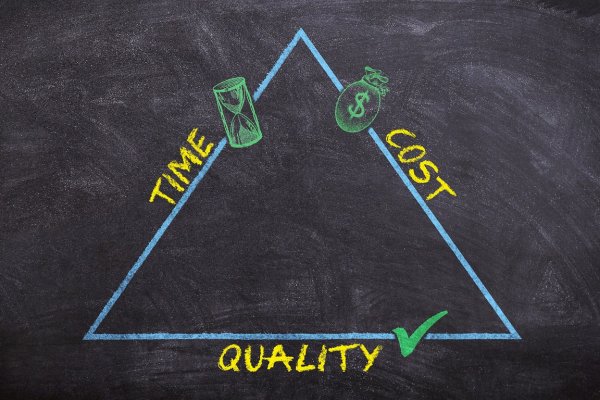
Switching warehouse providers represents one of the most significant operational decisions an enterprise can make. Whether driven by cost concerns, service quality issues, or strategic growth initiatives, the transition from one warehousing partner to another requires meticulous planning, comprehensive risk management, and a clear understanding of what efficiency gains and cost reductions are realistically achievable. This comprehensive guide explores the critical factors enterprises must consider when contemplating a warehouse provider change.
Understanding When It's Time to Change
The decision to change warehouse providers rarely comes lightly. Enterprise-level organizations typically invest considerable time and resources establishing relationships with their logistics partners, making any transition a substantial undertaking. However, certain indicators signal that change may not only be beneficial but necessary for continued growth and competitiveness.
Common Triggers for Provider Changes
- Escalating costs without corresponding service improvements
- Consistent fulfillment errors impacting customer satisfaction
- Inability to scale operations during peak seasons
- Geographic limitations restricting market expansion
- Outdated technology systems hindering visibility and control
- Poor communication and lack of strategic partnership
- Contractual disputes or inflexibility in service agreements
For enterprise businesses managing multiple SKUs and complex distribution networks, these challenges can significantly impact bottom-line performance and competitive positioning in the marketplace.
Risk Management: The Foundation of Successful Transitions
Perhaps the most critical aspect of changing warehouse providers involves comprehensive risk management. The transition period presents numerous potential pitfalls that can disrupt operations, damage customer relationships, and create unexpected costs.
Identifying and Categorizing Risks
Effective risk management begins with thorough identification and categorization of potential challenges:
Operational Risks: These include inventory discrepancies during transfer, disruption to order fulfillment, system integration failures, and potential delays in shipping. Enterprise operations often handle thousands of orders daily, meaning even brief disruptions can have cascading effects on customer satisfaction and revenue.
Financial Risks: Beyond obvious costs associated with the physical move, enterprises must consider potential penalties from existing contracts, dual-running costs during transition periods, and potential revenue losses from fulfillment interruptions. Hidden costs often emerge in unexpected areas such as additional insurance, temporary staffing, or expedited shipping to compensate for transition delays.
Reputational Risks: Customer-facing disruptions during warehouse transitions can damage brand reputation built over years. Late deliveries, incorrect shipments, or inventory shortages directly impact customer loyalty and can provide competitors with opportunities to gain market share.
Implementing Risk Mitigation Strategies
Organizations can implement several strategies to minimize transition risks:
- Phased Migration Approach: Rather than transferring all operations simultaneously, consider migrating product lines, regions, or business units in stages, allowing for adjustment and learning between phases.
- Parallel Operations Period: Running both old and new warehouse operations simultaneously for a defined period provides a safety net, though at additional cost.
- Comprehensive Communication Plan: Keep all stakeholders informed throughout the transition, including customers, suppliers, internal teams, and both warehouse providers.
- Detailed Transition Timeline: Develop a granular project plan with specific milestones, responsibilities, and contingency measures for each phase.
- Inventory Reconciliation Protocols: Establish rigorous inventory counting and verification procedures to ensure accurate transfer of goods between facilities.
Enterprise-Level Considerations
Large-scale operations face unique challenges when changing warehouse providers that smaller businesses might not encounter. Enterprise warehouse management involves complex systems integration, multi-location coordination, and stakeholder management across various departments and geographies.
Technology Integration Complexity
Modern enterprises rely on sophisticated technology ecosystems including ERP systems, warehouse management systems (WMS), transportation management systems (TMS), and customer relationship management platforms. A new warehouse provider must integrate seamlessly with these existing systems, or the enterprise must be prepared to adapt their technology stack accordingly.
The integration process typically requires substantial IT resources, testing periods, and often custom development work. Platforms like www.search3pl.com can help enterprises identify providers with proven experience integrating with specific technology platforms, reducing implementation risks and timelines.
Compliance and Regulatory Requirements
Enterprise organizations often handle products subject to various regulatory requirements, from FDA regulations for food and pharmaceuticals to hazardous materials handling certifications. Ensuring your new warehouse provider maintains all necessary certifications, insurance coverage, and compliance protocols cannot be an afterthought.
Maximizing Efficiency Through Provider Change
While risk management focuses on avoiding negative outcomes, efficiency improvements represent the positive opportunities that make warehouse provider changes worthwhile investments.
Process Optimization Opportunities
Changing warehouse providers creates a natural opportunity to reevaluate and optimize fulfillment processes. Rather than simply replicating existing workflows in a new facility, enterprises should:
- Analyze current fulfillment data to identify bottlenecks and inefficiencies
- Benchmark against industry best practices
- Implement improved inventory management methodologies
- Optimize picking and packing procedures
- Enhance quality control checkpoints
- Streamline returns processing
Modern warehouse providers often bring specialized expertise and proven methodologies that can significantly improve operational efficiency compared to legacy approaches.
Technology-Driven Efficiency Gains
Advanced warehouse providers offer technology capabilities that can transform operational efficiency, including real-time inventory visibility, automated order routing, predictive analytics for demand forecasting, and integration with multiple sales channels. These technologies enable faster order processing, reduced error rates, and improved inventory accuracy.
Achieving Low Cost Operations Without Sacrificing Quality
Cost reduction often drives the decision to change warehouse providers, but enterprises must approach low cost strategies carefully to avoid false economies that ultimately increase total cost of ownership.
Understanding Total Cost of Warehousing
Comprehensive cost analysis extends beyond simple per-pallet or per-order pricing to include:
- Storage fees (including seasonal fluctuations)
- Inbound and outbound processing charges
- Special handling requirements
- Technology and integration costs
- Value-added services (kitting, labeling, customization)
- Returns processing
- Insurance and liability coverage
- Transportation costs based on warehouse location
A provider offering lower base rates may actually result in higher total costs when these factors are considered comprehensively.
Strategic Cost Reduction Approaches
Geographic optimization can significantly reduce transportation costs by positioning inventory closer to customer concentrations or by leveraging lower-cost regions for certain operations. Multiple distribution centers may increase warehousing costs while substantially reducing shipping expenses and delivery times.
Flexible capacity agreements allow enterprises to scale warehouse space and labor according to demand fluctuations, avoiding the fixed costs of maintaining excess capacity during slow periods while ensuring availability during peak seasons.
Technology investments may increase upfront costs but typically generate substantial long-term savings through improved accuracy, reduced labor requirements, and optimized processes.
The Selection and Transition Process
Successfully changing warehouse providers requires a structured approach to both selection and implementation.
Evaluating Potential Providers
Comprehensive provider evaluation should include facility tours, reference checks with current clients in similar industries, financial stability assessment, technology platform demonstrations, and detailed proposal analysis. Using directories like www.search3pl.com can help enterprises efficiently identify qualified candidates that meet specific geographic, technology, and service requirements.
Contract Negotiation Considerations
Negotiate contracts that include clear performance metrics and service level agreements (SLAs), transparent pricing structures with protection against unexpected increases, exit clauses that provide flexibility if the relationship doesn't meet expectations, and provisions for scaling operations up or down based on business needs.
Managing the Transition
Successful transitions require dedicated project management resources, often including a cross-functional team with representatives from operations, IT, finance, and customer service. Establishing clear ownership, communication protocols, and decision-making authority prevents delays and confusion during critical transition phases.
Conclusion
Changing warehouse providers represents a significant strategic decision for enterprise organizations, requiring careful balance between risk management and opportunity pursuit. While the transition process presents real challenges and risks, organizations that approach the change methodically—with comprehensive planning, robust risk mitigation strategies, and clear objectives around efficiency and cost optimization—can realize substantial operational and financial benefits.
The key lies in viewing the provider change not merely as a vendor swap but as a strategic transformation opportunity to reevaluate processes, upgrade technology capabilities, and align warehousing operations more closely with broader business objectives. With proper planning and execution, the transition to a new warehouse provider can position enterprises for improved customer satisfaction, enhanced operational efficiency, and sustainable cost advantages in an increasingly competitive marketplace.


