
Bristol's Warehouse Crisis: Why Hauliers Are Scrambling
The Perfect Storm Hitting Bristol's Logistics Sector
Bristol has emerged as one of the UK's most critical logistics hubs, yet businesses are facing an unprecedented challenge: finding suitable warehouse space has become nearly impossible. With the city's strategic position for imports from across the globe and its excellent transport links, demand has outstripped supply dramatically, leaving hauliers and importers in a desperate race for facilities.
The warehouse shortage isn't just a Bristol problem, but the city's unique position as a gateway for imports from the European Union and beyond has made the situation particularly acute. As businesses restructure their supply chains post-Brexit and e-commerce continues its meteoric rise, the competition for every available square foot of storage space has intensified to levels never seen before.
Why Bristol Has Become a Logistics Battleground
Understanding Bristol's current warehouse crisis requires examining the perfect convergence of factors that have transformed the city into a logistics pressure cooker. The city's proximity to the M4 and M5 motorways, combined with its port facilities and rail connections, makes it an ideal distribution point for businesses serving the South West, Wales, and the Midlands.
The Import Factor
Bristol's role in handling imports has expanded significantly over the past decade. The Port of Bristol processes millions of tonnes of cargo annually, ranging from automotive parts to consumer electronics and food products. This constant flow of imports requires sophisticated warehousing solutions that can handle:
- Customs clearance operations and bonded storage facilities
- Temperature-controlled environments for perishable goods
- High-security storage for valuable imports
- Cross-docking facilities for rapid distribution
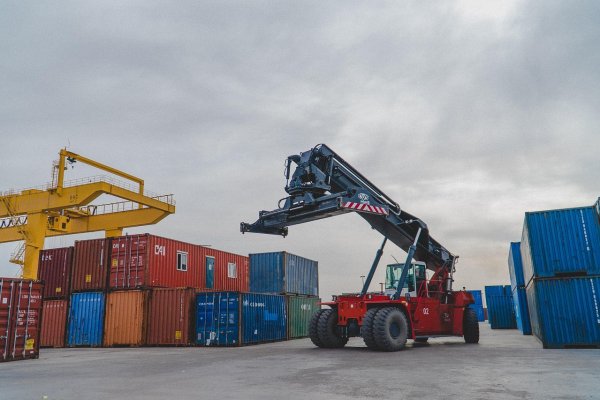
- Container storage and unpacking services
For hauliers managing these imports, the lack of available warehouse space creates a domino effect throughout their operations. Delays in unloading shipments lead to container demurrage charges, missed delivery windows, and frustrated clients. The financial impact can be devastating for smaller haulier operations working on tight margins.
The E-commerce Explosion
The explosion in online retail has fundamentally changed warehouse requirements. Traditional storage facilities designed for palletized goods and bulk storage no longer meet the needs of businesses requiring pick-and-pack operations, rapid order fulfillment, and returns processing. Bristol's proximity to major population centers makes it prime territory for e-commerce fulfillment, but the existing warehouse stock wasn't designed for this new reality.
How Technology Is Transforming the Warehouse Search
While the physical shortage of warehouse space remains a challenge, technology is revolutionizing how businesses find and secure facilities. Gone are the days of driving around industrial estates hoping to spot a "To Let" sign or relying solely on commercial property agents who may not understand the specific needs of logistics operations.
Digital Platforms and Warehouse Matching
Innovative platforms like www.search3pl.com have transformed the warehouse search process by creating comprehensive directories of available logistics facilities. These platforms allow businesses to compare services, pricing, and specifications across multiple providers simultaneously, dramatically reducing the time and effort required to find suitable space.
Modern warehouse search technology incorporates several game-changing features:
- Real-time availability updates eliminating wasted viewings
- Detailed facility specifications including ceiling heights, loading bay configurations, and technology infrastructure
- Price comparison tools that provide transparency in a traditionally opaque market
- Virtual tours reducing the need for multiple site visits
- Automated matching algorithms that connect specific business needs with suitable facilities
Smart Warehouse Management Systems
Technology isn't just changing how businesses find warehouses, it's transforming how they use them. Modern Warehouse Management Systems (WMS) enable businesses to maximize every square foot of space through optimized storage layouts, automated inventory tracking, and predictive analytics that forecast space requirements before shortages occur.
For hauliers dealing with imports, integration between transport management systems and warehouse technology creates seamless visibility from port to final delivery. GPS tracking, automated booking systems, and digital proof of delivery eliminate the communication gaps that once plagued the industry.
Strategic Considerations When Finding a New Warehouse
In Bristol's competitive market, businesses cannot afford to make hasty decisions. The right warehouse facility can provide a competitive advantage, while the wrong choice can hamper operations for years.
Location Intelligence
While being close to Bristol's port facilities seems obvious for import-focused businesses, location strategy requires deeper analysis. Factors to consider include:
- Proximity to major transport routes without being subject to urban congestion
- Access to a skilled workforce for warehouse operations
- Future-proofing against potential development that could restrict HGV access
- Environmental considerations including flood risk and air quality zones
- Availability of supporting infrastructure such as container yards and maintenance facilities
Facility Specifications for Modern Operations
The physical characteristics of a warehouse directly impact operational efficiency. For hauliers managing imports, key specifications include:
- Clear height: Modern racking systems require minimum 10-meter clearances
- Loading infrastructure: Sufficient loading bays with level access for various vehicle types
- Floor loading capacity: Essential for heavy imports and high-density storage
- Power supply: Adequate electrical infrastructure for automated systems and charging electric vehicle fleets
- Connectivity: Reliable internet and mobile coverage for real-time tracking systems
The Financial Reality of Bristol's Warehouse Market
The supply-demand imbalance in Bristol has predictably driven up costs. Warehouse rental rates in prime locations have increased by over 30% in the past three years, forcing businesses to reconsider their facility strategies. However, focusing solely on rent overlooks the total cost of warehouse operations.
Smart businesses calculate the true cost of warehouse space including:
- Business rates and service charges that can add 30-40% to base rent
- Utility costs, particularly for temperature-controlled facilities
- Staff commuting costs and recruitment challenges in remote locations
- Transport efficiency gains or losses based on location
- Technology infrastructure investment required to bring facilities up to standard
Alternative Solutions and Future Trends
Faced with limited options, innovative businesses are exploring alternatives to traditional warehouse leases. Shared warehousing arrangements allow multiple companies to split facility costs while maintaining operational independence. For hauliers with fluctuating import volumes, flexible space agreements provide scalability without long-term commitment.
The Rise of On-Demand Warehousing
Technology platforms are enabling on-demand warehousing where businesses can rent space by the pallet or cubic meter for short periods. This Airbnb-style approach to warehousing provides unprecedented flexibility for handling seasonal import peaks or testing new markets without major capital commitment.
Platforms like www.search3pl.com are increasingly incorporating these flexible options alongside traditional facilities, recognizing that modern businesses require diverse solutions for complex supply chain challenges.
Development Pipeline and Future Capacity
Relief may be coming for Bristol's warehouse shortage. Several major developments are in planning stages, potentially adding millions of square feet of modern logistics space over the next five years. However, businesses facing immediate needs cannot wait for future capacity and must navigate today's challenging market.
Making the Right Decision for Your Business
Finding the right warehouse in Bristol's competitive market requires a systematic approach combining traditional property search methods with modern technology platforms. Success depends on clearly defining requirements, understanding total occupancy costs, and leveraging technology to access the widest possible range of options.
For hauliers managing imports, the warehouse decision directly impacts customer satisfaction, operational efficiency, and profitability. While the current market presents challenges, businesses that approach the search strategically, remain flexible, and utilize available technology platforms can find solutions that provide competitive advantages rather than mere accommodation.
The warehouse crisis in Bristol reflects broader pressures facing UK logistics infrastructure, but it also demonstrates how technology and innovation can help businesses navigate supply chain challenges. As the market continues evolving, those who adapt quickly and think creatively about warehouse solutions will thrive despite the constraints.


