
B2C Services Comparison Guide
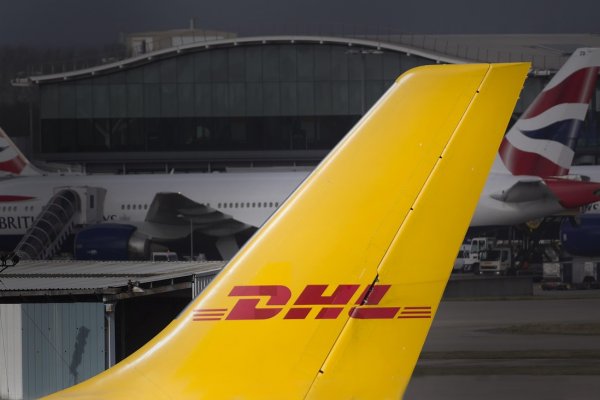
The business-to-consumer (B2C) landscape has transformed dramatically over the past decade, with ecommerce growth accelerating faster than traditional retail. For businesses selling directly to consumers, choosing the right fulfilment partner can make the difference between scalable success and operational chaos. This comprehensive guide compares three distinct approaches to B2C fulfilment: Amazon's integrated ecosystem, Birmingham-based third-party logistics providers, and DHL's global logistics network.
Understanding B2C Fulfilment Requirements
Before diving into specific service comparisons, it's essential to understand what B2C fulfilment truly demands. Unlike business-to-business (B2B) operations that typically involve bulk shipments to commercial addresses, B2C fulfilment requires a fundamentally different approach.
Key B2C Challenges
Consumer expectations have reached unprecedented levels. Customers now expect rapid delivery times, often within 24-48 hours, alongside complete transparency throughout the shipping process. They demand flexible delivery options, easy returns processes, and sustainable packaging practices. Meeting these expectations while maintaining profitability requires sophisticated logistics infrastructure.
- High order volumes with relatively low order values
- Individual consumer addresses rather than commercial locations
- Peak season volatility and demand fluctuations
- Higher return rates compared to B2B operations
- Detailed tracking and communication requirements
- Brand presentation through packaging and unboxing experiences
Amazon FBA: The Ecommerce Giant's Solution
Amazon's Fulfilment by Amazon (FBA) program has revolutionized how small and medium-sized businesses approach B2C logistics. By leveraging Amazon's massive infrastructure, sellers can access capabilities that would otherwise require substantial capital investment.
How Amazon FBA Works
Sellers send their inventory to Amazon's fulfilment centers, where the company stores products, picks and packs orders, handles shipping, and manages customer service and returns. Products fulfilled by Amazon automatically qualify for Amazon Prime, instantly expanding potential customer reach to millions of Prime members who expect fast, free shipping.
Advantages of Amazon FBA
The Prime badge significantly increases product visibility and conversion rates. Amazon's sophisticated logistics network enables delivery speeds that few independent operations can match. The company's customer service infrastructure handles inquiries and complaints, reducing the burden on sellers. Additionally, FBA provides access to Amazon's international fulfilment network, simplifying global expansion.
Limitations to Consider
However, Amazon FBA isn't universally ideal. Storage fees can escalate quickly, particularly for slow-moving inventory or during peak seasons. Sellers have limited control over the customer experience and packaging presentation. The program ties sellers closely to the Amazon ecosystem, making multi-channel fulfilment more complex. Additionally, Amazon's policies and fee structures change regularly, creating uncertainty for long-term planning.
Birmingham-Based 3PL Providers: Regional Excellence
Birmingham's strategic location in the heart of the UK makes it an ideal logistics hub. The city's extensive motorway connections and proximity to major airports and ports have attracted numerous third-party logistics providers specializing in B2C fulfilment.
Why Birmingham Matters for UK Fulfilment
Positioned within four hours' drive of 90% of the UK population, Birmingham offers unparalleled coverage for domestic delivery. The city's infrastructure includes the Birmingham Airport, multiple motorway intersections, and rail connections, providing diverse shipping options. This geographic advantage translates directly into faster delivery times and reduced shipping costs for UK-focused businesses.
Birmingham 3PL Service Capabilities
Regional 3PL providers in Birmingham typically offer comprehensive services tailored to B2C requirements. These include inventory management systems with real-time visibility, pick and pack services with customizable packaging options, integration with multiple ecommerce platforms, and dedicated account management that larger providers cannot match.
Many Birmingham-based providers specialize in specific industries or product types, offering expertise that generalist providers cannot provide. They often demonstrate greater flexibility with minimum order quantities and contract terms, making them accessible to growing businesses. Using platforms like www.search3pl.com can help businesses identify specialized Birmingham providers that match their specific requirements.
Considerations for Birmingham 3PLs
While Birmingham 3PLs excel at UK fulfilment, businesses with significant international volume may find their global capabilities limited compared to multinational logistics companies. Technology sophistication varies considerably between providers, making thorough due diligence essential. Scalability during rapid growth phases or seasonal peaks depends on the specific provider's capacity and infrastructure.
DHL: Global Logistics Expertise
DHL represents the traditional international logistics approach, bringing decades of shipping expertise and global infrastructure to B2C fulfilment challenges. As part of Deutsche Post DHL Group, the company operates in over 220 countries and territories.
DHL's B2C Solutions
DHL offers multiple service tiers designed specifically for ecommerce businesses. Their DHL eCommerce division focuses exclusively on B2C needs, providing solutions from budget-friendly deferred delivery to premium express services. The company's global network enables seamless international shipping with consistent service levels across markets.
Strengths of DHL for B2C
For businesses with international ambitions, DHL's global presence provides unmatched capability. Their customs expertise and established relationships with regulatory authorities worldwide simplify cross-border commerce. DHL's brand recognition reassures international customers about delivery reliability. The company's technology platforms offer sophisticated tracking and integration capabilities suitable for enterprise-scale operations.
DHL Considerations
DHL's pricing structure typically reflects their premium positioning, potentially making them less cost-effective for purely domestic operations or businesses with tight margins. Their services are often optimized for larger operations, with minimum volumes that may challenge smaller businesses. The account management experience can feel less personalized compared to regional 3PL providers.
Making the Right Choice for Your Business
Selecting between these B2C fulfilment approaches requires honest assessment of your business priorities, growth trajectory, and operational requirements.
Choose Amazon FBA When:
- Your primary sales channel is Amazon's marketplace
- Access to Prime customers is strategically important
- You sell standardized products without special handling requirements
- Minimizing operational complexity matters more than margin optimization
- Your products have healthy profit margins that can absorb FBA fees
Choose Birmingham 3PLs When:
- The UK is your primary market with limited international volume
- Brand control and custom packaging are important differentiators
- You sell through multiple channels requiring unified inventory management
- Your products need specialized handling or storage conditions
- Personalized service and flexibility matter to your operations
Choose DHL When:
- International shipping represents a significant portion of your volume
- You need consistent service levels across multiple countries
- Your business operates at sufficient scale to leverage volume pricing
- Customs compliance and international regulations are complex for your products
- Brand perception benefits from association with premium logistics providers
Hybrid Approaches and Future Considerations
Increasingly, successful B2C businesses don't limit themselves to a single fulfilment approach. A hybrid strategy might involve using Amazon FBA for fast-moving products sold on Amazon, a Birmingham 3PL for multi-channel inventory and UK orders, and DHL for international shipments requiring express delivery.
This approach maximizes each provider's strengths while mitigating their limitations. However, it requires sophisticated inventory management systems and operational discipline to maintain visibility and control across multiple partners.
Evaluating Total Cost of Ownership
When comparing services, look beyond simple per-shipment fees. Consider storage costs, receiving and processing fees, packaging materials, technology integration expenses, and hidden charges for special handling or peak seasons. Calculate the total cost per order including all fees and services required for your specific operation.
Resources like www.search3pl.com provide valuable tools for comparing pricing structures and capabilities across multiple providers, helping businesses make informed decisions based on comprehensive data rather than limited quotes.
Conclusion: Strategic Alignment Matters Most
The optimal B2C fulfilment solution aligns with your business strategy, growth plans, and customer expectations. Amazon FBA offers unparalleled access to the world's largest ecommerce marketplace with minimal operational burden. Birmingham-based 3PLs provide strategic UK coverage with personalized service and flexibility. DHL delivers global reach and premium logistics capabilities for international operations.
Your choice should reflect where you are today and where you plan to be in three to five years. As your business evolves, so too should your fulfilment strategy. Regularly reassessing your logistics partnerships ensures your operations continue supporting rather than constraining your growth trajectory. The right partner becomes a competitive advantage, while the wrong choice creates constant friction that drains resources and frustrates customers.
Take time to thoroughly evaluate your options, request detailed proposals, and speak with current clients of potential partners. The investment in selecting the right B2C fulfilment solution pays dividends through improved customer satisfaction, operational efficiency, and sustainable profitability.


