
3PL Solutions: Mastering D2C Fulfillment in Today's Market
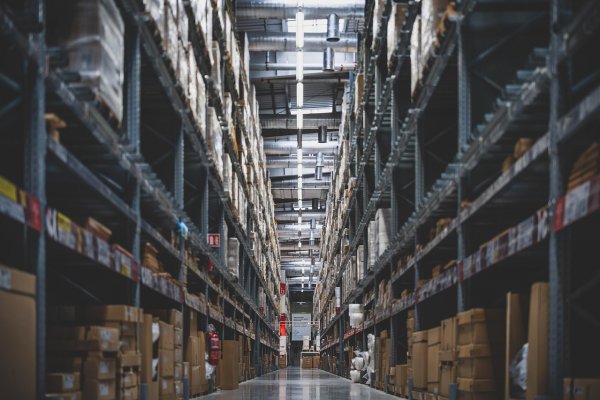
The landscape of ecommerce has transformed dramatically over the past decade, with direct-to-consumer (D2C) brands reshaping how products reach customers. As businesses scale their operations, many discover that managing logistics in-house becomes increasingly complex and costly. This is where third-party logistics (3PL) providers emerge as essential partners, offering comprehensive solutions that streamline everything from inventory management to final-mile delivery.
Understanding how 3PL services integrate with platforms like eBay and shipping carriers such as Royal Mail can be the difference between a thriving online business and one struggling with operational bottlenecks. This article explores the critical role 3PL providers play in modern D2C fulfillment and how they solve the most pressing challenges facing ecommerce businesses today.
Understanding 3PL in the D2C Revolution
Third-party logistics providers have become the backbone of successful D2C operations. Unlike traditional retail models where products move through multiple intermediaries, D2C businesses ship directly to end customers, requiring a completely different logistical approach. 3PL companies specialize in managing this complexity, allowing brands to focus on product development, marketing, and customer relationships rather than warehouse operations.
The D2C model demands speed, accuracy, and flexibility—qualities that specialized 3PL providers deliver through their infrastructure and expertise. These partnerships typically encompass warehousing, inventory management, order processing, packaging, and shipping coordination. For growing businesses, this outsourcing strategy often proves more cost-effective than building internal logistics capabilities.
Why D2C Brands Choose 3PL Partners
The decision to partner with a 3PL provider stems from several compelling advantages:
- Scalability: 3PL services expand or contract based on seasonal demand without requiring capital investment in warehouse space or staff
- Geographic reach: Access to strategically located fulfillment centers enables faster delivery times across regions
- Technology integration: Advanced warehouse management systems that integrate with ecommerce platforms and marketplaces
- Expertise: Specialized knowledge in compliance, customs, and carrier negotiations
- Cost efficiency: Shared resources and volume discounts that individual businesses couldn't achieve alone
Royal Mail Integration: The UK Fulfillment Advantage
For businesses serving UK customers, Royal Mail remains an indispensable delivery partner. The postal service handles over 14 billion items annually, offering unparalleled coverage across the United Kingdom. Leading 3PL providers maintain sophisticated integrations with Royal Mail, enabling seamless shipping label generation, tracking updates, and cost optimization.
When selecting a 3PL partner, understanding their Royal Mail capabilities is crucial. Top-tier providers offer multiple Royal Mail service options, from standard second-class post to tracked and signed delivery services. This flexibility allows D2C brands to balance delivery speed with cost considerations while maintaining customer satisfaction.
Royal Mail Service Tiers for D2C Fulfillment
Modern 3PL providers leverage various Royal Mail services to meet diverse customer expectations:
- Royal Mail Tracked 48/24: Affordable tracking for standard deliveries with signature upon delivery
- Royal Mail Special Delivery Guaranteed: Premium next-day service with compensation for delays
- Royal Mail Click & Drop: Discounted rates for online label creation, often integrated directly into 3PL systems
- International services: Global reach through Royal Mail's extensive postal network partnerships
The best 3PL providers don't simply offer Royal Mail shipping—they optimize it. Through data analysis, they identify the most cost-effective service levels for different order profiles, automatically routing packages through the appropriate channels. This intelligent approach reduces shipping costs while maintaining delivery performance standards.
Mastering Inventory Management Through 3PL
Inventory management represents one of the most challenging aspects of D2C operations. Poor inventory control leads to stockouts, overstocking, and ultimately, dissatisfied customers and wasted capital. Professional 3PL providers bring sophisticated warehouse management systems (WMS) that transform inventory from a challenge into a competitive advantage.
These systems provide real-time visibility into stock levels across multiple fulfillment locations, automatically triggering reorder points and generating detailed reports on inventory turnover, aging stock, and forecasting. For D2C brands managing hundreds or thousands of SKUs, this capability is invaluable.
Key Inventory Management Features
When evaluating 3PL partners, look for these essential inventory management capabilities:
- Real-time synchronization: Instant updates across all sales channels preventing overselling
- Lot and serial number tracking: Essential for products with expiration dates or warranty requirements
- Kitting and bundling: Creating product combinations without maintaining separate inventory
- Returns management: Efficient processing of returned items back into available inventory
- Multi-location management: Coordinated inventory across multiple warehouses for optimal positioning
Advanced 3PL providers also offer predictive analytics, using historical sales data and seasonal trends to forecast inventory needs. This proactive approach helps D2C brands maintain optimal stock levels, reducing both carrying costs and the risk of stockouts during peak demand periods.
eBay Fulfillment: Multichannel Excellence
While many D2C brands start with their own websites, expanding to marketplaces like eBay opens significant growth opportunities. eBay remains one of the world's largest online marketplaces, with over 180 million active buyers globally. However, managing inventory and fulfillment across multiple channels introduces complexity that 3PL providers are uniquely positioned to solve.
The challenge with eBay integration involves synchronizing inventory between your website, eBay listings, and potentially other marketplaces, ensuring you never oversell products. Quality 3PL partners offer seamless eBay integration, automatically updating listings when inventory changes and routing eBay orders through the same efficient fulfillment process as direct website sales.
eBay-Specific Fulfillment Considerations
Selling on eBay through a 3PL partner requires attention to several platform-specific factors:
- Fast and Free delivery expectations: eBay's algorithm favors listings offering quick, free shipping, making efficient 3PL partnerships essential
- Tracking requirements: eBay strongly recommends tracked shipping for seller protection and customer confidence
- Returns handling: Managing eBay's buyer protection policies while maintaining profitability
- International shipping: Accessing eBay's global marketplace through experienced 3PL international fulfillment capabilities
Many sellers discover that platforms like www.search3pl.com help identify providers with specific eBay expertise, ensuring smooth multichannel operations from day one.
Choosing the Right 3PL Partner
Selecting a 3PL provider is one of the most important decisions a D2C business will make. The right partner becomes an extension of your brand, directly impacting customer satisfaction through their fulfillment accuracy and speed. Several critical factors should guide your evaluation process.
Essential Evaluation Criteria
Technology compatibility tops the list of considerations. Your 3PL's systems must integrate seamlessly with your ecommerce platform, whether that's Shopify, WooCommerce, Magento, or marketplace APIs like eBay. Manual data entry creates delays and errors that undermine the entire value proposition.
Geographic coverage determines delivery times and costs. For UK-focused D2C brands, ensure your 3PL maintains warehouses positioned to reach your customer base efficiently, maximizing Royal Mail's network advantages. International brands may require multiple fulfillment centers across different regions.
Scalability and flexibility matter tremendously. Your business will experience seasonal fluctuations and hopefully sustained growth. Your 3PL partner must accommodate these changes without service degradation or punitive pricing structures.
Cost Structure Transparency
Understanding 3PL pricing requires looking beyond simple per-order fees. Comprehensive cost analysis should include:
- Receiving and intake fees for incoming inventory shipments
- Storage costs, typically charged per pallet or cubic foot monthly
- Pick and pack fees for order fulfillment
- Shipping carrier charges, including any markup
- Special handling for oversized, fragile, or hazardous items
- Returns processing fees
- Technology or integration fees
Comparing multiple providers through resources like www.search3pl.com enables businesses to benchmark pricing and identify the most cost-effective partnership for their specific needs.
The Future of 3PL in D2C Commerce
The 3PL industry continues evolving rapidly, driven by rising customer expectations and technological advancement. Same-day and next-day delivery have shifted from premium services to standard expectations in many markets, pushing 3PL providers to innovate continuously.
Automation increasingly characterizes modern fulfillment centers, with robotics handling repetitive tasks and AI optimizing warehouse layouts and picking routes. These technologies improve accuracy while reducing labor costs, benefits that forward-thinking 3PL providers pass on to their D2C clients.
Sustainability has also emerged as a critical consideration. Consumers increasingly favor brands demonstrating environmental responsibility, and fulfillment operations significantly impact a company's carbon footprint. Leading 3PL providers now offer carbon-neutral shipping options, optimized packaging to reduce waste, and consolidated shipments to minimize transportation emissions.
Conclusion: Strategic Partnership for Growth
The relationship between D2C brands and their 3PL providers transcends simple vendor arrangements—it's a strategic partnership that fundamentally shapes customer experience and business scalability. Whether you're managing eBay listings, coordinating Royal Mail deliveries, or optimizing inventory across multiple channels, the right 3PL partner transforms logistics from a cost center into a competitive advantage.
As the D2C landscape becomes increasingly competitive, operational excellence separates successful brands from struggling ones. By leveraging specialized 3PL expertise in inventory management, multichannel fulfillment, and carrier optimization, businesses position themselves for sustainable growth while maintaining the flexibility to adapt to market changes.
The key lies in thorough research, clear communication of your needs, and selecting a partner whose capabilities align with your business model and growth trajectory. With the right 3PL relationship in place, D2C brands can focus on what they do best—creating exceptional products and building customer relationships—while leaving the complexities of fulfillment to the experts.


