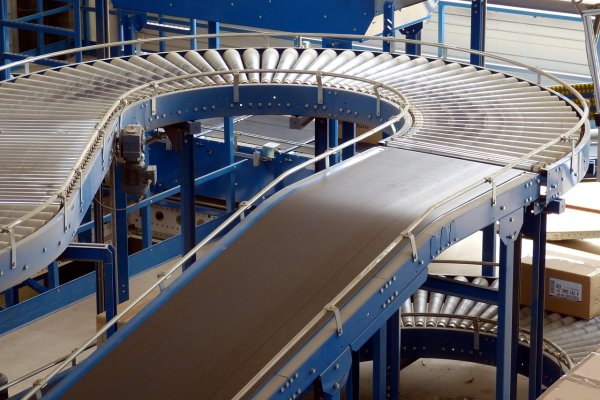
The logistics and transportation industry is experiencing a revolutionary transformation through automation technology. As parcel volumes continue to surge globally, businesses are seeking innovative solutions to streamline their operations and maintain competitive advantages. The integration of automation in parcel force management and transportation has become not just a luxury, but a necessity for companies aiming to meet modern consumer demands for speed, accuracy, and reliability.
In this comprehensive guide, we explore the top 10 best practices for implementing parcel force automation in transportation, providing actionable insights that can help businesses of all sizes optimize their shipping operations and achieve sustainable growth.
Understanding Parcel Force Automation in Modern Transportation
Before diving into best practices, it's essential to understand what parcel force automation entails. This technology encompasses the use of automated systems, robotics, artificial intelligence, and sophisticated software to manage the entire parcel handling process—from initial receipt and sorting to final delivery. The goal is to minimize human intervention while maximizing efficiency, accuracy, and speed throughout the transportation chain.
The implementation of automation in parcel force operations has shown remarkable results, with companies reporting up to 40% increases in processing speed and significant reductions in operational costs. For businesses looking to enhance their logistics capabilities, platforms like www.search3pl.com provide valuable resources for comparing automation solutions and third-party logistics providers.
Top 10 Best Practices for Parcel Force Automation
1. Invest in Scalable Sorting Infrastructure
The foundation of effective parcel force automation lies in robust sorting infrastructure. Modern automated sorting systems utilize advanced conveyor systems, barcode scanners, and AI-powered routing algorithms to process thousands of parcels per hour with minimal errors.
Key considerations include:
- Modular designs that can expand with business growth
- Integration capabilities with existing warehouse management systems
- Multi-dimensional scanning technology for irregular packages
- Real-time tracking and data collection features
- Energy-efficient operations to reduce overhead costs
2. Implement Real-Time Tracking and Visibility Systems
Transparency throughout the transportation process has become a non-negotiable customer expectation. Automated tracking systems provide end-to-end visibility that benefits both businesses and their customers. These systems utilize GPS technology, RFID tags, and IoT sensors to monitor parcel location and condition in real-time.
This level of visibility enables proactive problem-solving, reduces customer service inquiries, and builds trust through transparency. Companies implementing comprehensive tracking systems report up to 30% reduction in "where is my order" customer inquiries.
3. Optimize Route Planning with AI and Machine Learning
Transportation efficiency hinges on intelligent route optimization. Modern automation leverages artificial intelligence and machine learning algorithms to analyze countless variables including traffic patterns, weather conditions, delivery windows, and vehicle capacity to determine the most efficient routes.
Benefits of AI-powered route optimization include:
- Reduced fuel consumption and environmental impact
- Improved delivery time accuracy
- Enhanced driver productivity
- Lower operational costs
- Better resource allocation
4. Integrate Automated Labeling and Documentation Systems
Manual labeling and documentation processes are prone to errors and time-consuming delays. Automated systems can generate, print, and apply labels while simultaneously creating necessary shipping documentation in seconds. This practice eliminates human error, speeds up processing times, and ensures compliance with international shipping regulations.
Advanced systems can automatically select the appropriate carrier, service level, and generate customs documentation based on predefined business rules and package characteristics.
5. Establish Predictive Maintenance Protocols
Automated equipment requires consistent maintenance to operate at peak efficiency. Predictive maintenance uses sensors and analytics to monitor equipment health and predict potential failures before they occur. This proactive approach minimizes unexpected downtime and extends equipment lifespan.
Implement regular monitoring of:
- Conveyor belt wear and tension
- Scanner accuracy and performance
- Robotic arm calibration
- Software system performance metrics
- Network connectivity and data transfer speeds
6. Deploy Robotic Process Automation for Repetitive Tasks
Robotic Process Automation (RPA) extends beyond physical robotics to include software bots that handle repetitive digital tasks. In parcel force operations, RPA can automate data entry, carrier communication, invoice processing, and exception management, freeing human workers to focus on complex problem-solving and customer service.
7. Create Seamless Integration Between Systems
Automation achieves its full potential when different systems communicate effectively. Integration between transportation management systems (TMS), warehouse management systems (WMS), enterprise resource planning (ERP) platforms, and carrier systems creates a unified ecosystem that eliminates data silos and redundant processes.
When exploring automation solutions, businesses can leverage resources from www.search3pl.com to identify providers offering comprehensive integration capabilities that align with their existing technology infrastructure.
8. Implement Automated Quality Control Checkpoints
Quality assurance is critical in parcel transportation. Automated quality control systems use weight verification, dimensional scanning, and imaging technology to ensure parcels are properly packaged, labeled, and routed. These systems can identify discrepancies immediately, triggering alerts for human intervention when necessary.
Automated quality control reduces:
- Delivery errors and misdirected parcels
- Damage claims from improper packaging
- Billing disputes from incorrect dimensions or weights
- Returns due to shipping mistakes
9. Prioritize Employee Training and Change Management
Technology is only as effective as the people who operate it. Successful automation implementation requires comprehensive employee training programs that help staff understand new systems and their roles within the automated environment. Address concerns transparently, emphasizing how automation enhances rather than replaces human capabilities.
Develop training programs that cover:
- System operation and basic troubleshooting
- Safety protocols around automated equipment
- Data interpretation and decision-making
- Exception handling procedures
- Continuous improvement methodologies
10. Establish Data Analytics and Performance Monitoring
The true power of automation lies in the data it generates. Implement robust analytics platforms that transform operational data into actionable insights. Monitor key performance indicators (KPIs) such as processing speed, error rates, on-time delivery percentages, cost per parcel, and equipment utilization.
Regular analysis of these metrics enables continuous improvement, identifies bottlenecks, and supports data-driven decision-making. Establish dashboards that provide real-time visibility into operational performance for management teams and stakeholders.
The Future of Parcel Force Automation in Transportation
As technology continues to evolve, the future of parcel force automation promises even greater innovations. Autonomous delivery vehicles, drone delivery systems, and advanced AI algorithms are already being tested and deployed by forward-thinking companies. The integration of blockchain technology for secure tracking and smart contracts is emerging as another transformative trend.
Companies that embrace automation today position themselves advantageously for tomorrow's competitive landscape. The initial investment in automation technology typically delivers returns within 18-24 months through increased efficiency, reduced errors, and improved customer satisfaction.
Overcoming Common Implementation Challenges
While the benefits of parcel force automation are substantial, implementation challenges exist. Common obstacles include:
- High initial capital investment: Explore phased implementation approaches and financing options
- Integration complexity: Work with experienced technology partners who understand logistics operations
- Workforce resistance: Emphasize training, communication, and the enhanced roles automation creates
- Legacy system limitations: Assess whether upgrades or replacements provide better long-term value
- Scalability concerns: Choose flexible solutions that can grow with your business
Conclusion
The implementation of parcel force automation in transportation represents a significant opportunity for logistics providers and shippers to enhance operational efficiency, reduce costs, and improve customer satisfaction. By following these top 10 best practices—from investing in scalable infrastructure to establishing robust data analytics—businesses can navigate the automation journey successfully.
The transportation industry's future is undeniably automated, and companies that strategically implement these technologies today will lead tomorrow's market. Success requires careful planning, appropriate technology selection, comprehensive training, and ongoing optimization based on performance data.
As you evaluate automation opportunities for your parcel force operations, remember that the goal isn't to replace human expertise but to amplify it through intelligent technology. The combination of automated efficiency and human insight creates a powerful competitive advantage in today's demanding logistics landscape.