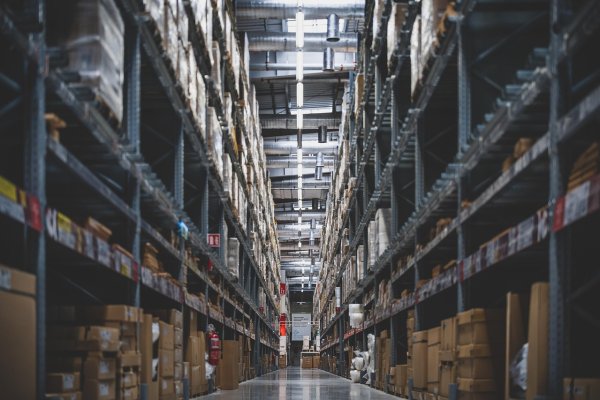
The warehouse industry has undergone a remarkable transformation over the past decade, driven by the explosive growth of digital commerce and changing consumer expectations. What once served primarily as storage facilities have evolved into sophisticated fulfillment centers that power the global B2C marketplace. Today's warehouses must navigate complex challenges including risk management, inventory optimization, and emerging sales channels like TikTok, all while maintaining operational efficiency and cost-effectiveness.
The B2C Revolution and Warehouse Transformation
The shift from business-to-business (B2B) to business-to-consumer (B2C) operations has fundamentally altered warehouse requirements. Unlike traditional bulk shipping to retail stores, B2C fulfillment demands precision handling of individual orders, often containing multiple SKUs that need to be picked, packed, and shipped within hours of order placement.
Key Differences in B2C Warehouse Operations
Modern B2C warehouses face unique operational challenges that distinguish them from their B2B predecessors. The volume of transactions has increased exponentially while individual order sizes have decreased dramatically. Where a B2B warehouse might process fifty pallets destined for retail locations, a B2C facility processes thousands of individual parcels going directly to consumers' doorsteps.
- Higher order frequency with smaller individual order values
- Increased SKU diversity requiring sophisticated picking systems
- Stricter delivery timeframes with same-day and next-day expectations
- Greater emphasis on packaging presentation and unboxing experience
- More complex returns management processes
- Real-time inventory visibility across multiple sales channels
The pressure to meet consumer expectations has forced warehouses to adopt advanced technologies and streamlined processes. Automation, robotics, and artificial intelligence now play critical roles in maintaining competitive fulfillment speeds while controlling costs.
Risk Management in Modern Warehouse Operations
Risk management has become a critical competency for warehouse operators navigating an increasingly complex landscape. The risks facing modern warehouses extend far beyond traditional concerns about theft and fire damage, encompassing cybersecurity threats, supply chain disruptions, labor shortages, and regulatory compliance challenges.
Inventory Risk and Product Protection
Inventory represents significant financial investment, and protecting these assets requires comprehensive risk management strategies. Temperature-sensitive products, high-value electronics, and perishable goods each demand specialized storage conditions and handling protocols. Climate control systems, security monitoring, and insurance coverage form the foundation of inventory protection, but modern warehouses must go further.
Advanced warehouse management systems now incorporate predictive analytics to identify potential risks before they materialize. These systems monitor environmental conditions, track equipment maintenance schedules, and flag anomalies that could indicate emerging problems. By shifting from reactive to proactive risk management, warehouses minimize losses and maintain product integrity throughout the fulfillment process.
Operational and Safety Risks
Warehouse environments present inherent safety challenges, with heavy equipment, elevated storage systems, and constant movement creating potential hazards. Comprehensive safety programs, regular training, and strict protocols reduce accident rates while protecting both workers and inventory. Many facilities now utilize wearable technology that monitors worker fatigue, tracks ergonomic movements, and provides real-time safety alerts.
The integration of automated systems introduces new risk considerations. While robotics and automation improve efficiency, they require careful implementation, regular maintenance, and employee training to prevent accidents and system failures. Companies must balance automation benefits against the risks of technological dependence and potential system vulnerabilities.
Supply Chain and Business Continuity Risks
Recent global events have highlighted the vulnerability of interconnected supply chains. Warehouses now implement business continuity planning that addresses potential disruptions from natural disasters, pandemics, supplier failures, and transportation bottlenecks. Geographic diversification, inventory buffering, and supplier relationship management help mitigate these risks.
Cybersecurity represents an increasingly critical risk category as warehouses become more digitized. With warehouse management systems connected to supplier networks, customer databases, and transportation platforms, a single security breach can cascade throughout the entire supply chain. Robust cybersecurity protocols, regular system audits, and employee training protect against data breaches and operational disruptions.
Inventory Management in the Digital Age
Inventory management has evolved from simple stock-keeping to a sophisticated discipline requiring real-time visibility, predictive analytics, and omnichannel coordination. Modern warehouses must maintain optimal inventory levels that satisfy customer demand without tying up excessive capital in slow-moving stock.
Technology-Driven Inventory Optimization
Cloud-based warehouse management systems provide unprecedented visibility into inventory levels, movement patterns, and performance metrics. These platforms integrate with ecommerce platforms, point-of-sale systems, and supplier networks to create a unified view of inventory across all channels and locations. Real-time synchronization prevents overselling, reduces stockouts, and enables accurate promise dates at the point of sale.
Artificial intelligence and machine learning algorithms analyze historical sales data, seasonal trends, and market conditions to forecast demand with increasing accuracy. These predictive capabilities allow warehouses to optimize reorder points, safety stock levels, and inventory positioning. By anticipating demand fluctuations, businesses reduce carrying costs while maintaining service levels.
Multi-Channel Inventory Challenges
The proliferation of sales channels has complicated inventory management significantly. Products may sell through company websites, marketplace platforms, social media shops, and physical retail locations simultaneously. Each channel has unique fulfillment requirements, customer expectations, and operational constraints that warehouses must accommodate.
Successful multi-channel inventory management requires sophisticated allocation algorithms that reserve inventory based on channel velocity, profitability, and strategic priorities. Platforms like www.search3pl.com help businesses identify fulfillment partners with the technological capabilities to manage complex multi-channel inventory requirements efficiently.
TikTok and the Social Commerce Warehouse Impact
The emergence of TikTok as a commerce platform represents the latest evolution in digital retail, creating new challenges and opportunities for warehouse operations. TikTok's algorithm-driven content discovery and impulse-buying environment generate unpredictable demand spikes that stress traditional inventory planning and fulfillment systems.
Viral Product Phenomena
When products go viral on TikTok, demand can explode overnight, overwhelming unprepared warehouses with order volumes that exceed normal capacity by orders of magnitude. A single popular video from an influencer can generate thousands of orders within hours, requiring warehouses to scale operations rapidly while maintaining fulfillment speed and accuracy.
Forward-thinking warehouses prepare for viral scenarios by maintaining flexible capacity, cross-training staff, and establishing contingency protocols for demand surges. Some facilities designate specific areas for trending products, enabling rapid picking and packing when social media drives unexpected volume.
Speed and Presentation Requirements
TikTok customers typically skew younger, with elevated expectations for fulfillment speed and unboxing experiences. These consumers expect two-day delivery as standard and judge brands heavily on packaging aesthetics and sustainability. Warehouses serving TikTok-driven commerce must prioritize both operational speed and presentation quality.
The social nature of TikTok also means that customer experiences—positive or negative—can quickly become content that influences brand perception. A disappointing unboxing experience or delayed shipment might inspire content that reaches millions of viewers, making fulfillment excellence a marketing imperative rather than just an operational goal.
Integrating the Elements: The Modern Warehouse Ecosystem
Success in today's warehouse environment requires integrating risk management, inventory optimization, B2C fulfillment capabilities, and social commerce readiness into a cohesive operational strategy. These elements don't exist in isolation but interact dynamically to create competitive advantage or operational vulnerability.
Building Resilient, Responsive Operations
The most successful warehouses combine technological sophistication with operational flexibility. They invest in systems that provide visibility and control while maintaining the human expertise necessary to navigate unexpected challenges. Automated systems handle routine tasks efficiently, freeing staff to focus on problem-solving, quality assurance, and continuous improvement.
Strategic partnerships play an increasingly important role in warehouse success. Rather than attempting to master every competency internally, many companies leverage third-party logistics providers who specialize in specific aspects of fulfillment. Resources like www.search3pl.com enable businesses to identify partners with capabilities aligned to their specific requirements, whether that's cold chain management, hazmat handling, or high-volume B2C fulfillment.
Future-Proofing Warehouse Operations
The pace of change in digital commerce shows no signs of slowing, and warehouses must build adaptability into their operations. This means investing in scalable technology platforms, developing workforce skills, and maintaining financial flexibility to pivot as market conditions evolve.
Emerging technologies like augmented reality, autonomous vehicles, and blockchain-based tracking systems promise to further transform warehouse operations in coming years. While not every innovation will prove transformative, successful warehouses maintain awareness of technological trends and evaluate new solutions against their operational requirements and strategic objectives.
Conclusion: The Strategic Warehouse Imperative
Warehouses have evolved from cost centers focused on storage efficiency to strategic assets that enable competitive advantage in digital commerce. The integration of sophisticated inventory management, comprehensive risk mitigation, B2C fulfillment excellence, and social commerce readiness defines modern warehouse success.
As consumer expectations continue rising and new sales channels emerge, the gap between leading and lagging warehouse operations will widen. Companies that view warehouse operations as strategic investments rather than necessary expenses will be positioned to capitalize on digital commerce growth while competitors struggle with operational limitations.
The warehouse of tomorrow will be even more connected, automated, and responsive than today's facilities. By building strong operational foundations now—combining technology, process discipline, risk management, and strategic flexibility—businesses position themselves for sustained success in the evolving landscape of digital commerce.