The fulfilment landscape has transformed dramatically over the past decade, evolving from simple warehouse operations into sophisticated, technology-driven ecosystems. Today's fulfilment providers must navigate a complex web of challenges, from managing international imports to implementing sustainable practices, all while leveraging cutting-edge warehouse management systems and meeting the demanding requirements of B2B partnerships. Understanding how these elements interconnect is essential for businesses seeking competitive advantage in an increasingly complex global marketplace.
The Strategic Role of Imports in Modern Fulfilment
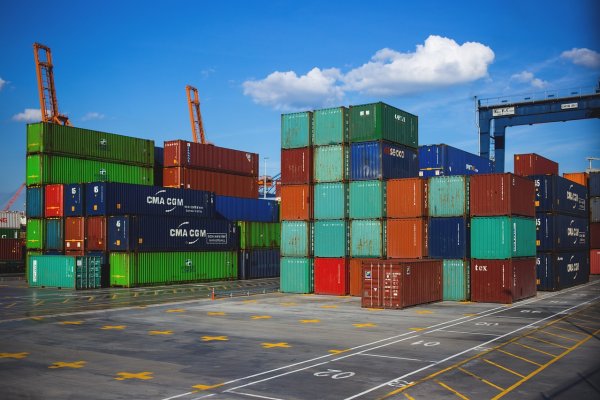
International trade forms the backbone of contemporary fulfilment operations, with businesses increasingly sourcing products from global suppliers to optimize costs and access specialized manufacturing capabilities. However, managing imports within a fulfilment framework requires far more than simply receiving goods at a loading dock.
Successful import management begins long before containers arrive at port. Forward-thinking fulfilment providers work closely with their clients to coordinate shipping schedules, prepare customs documentation, and ensure compliance with ever-changing international regulations. This proactive approach minimizes delays, reduces demurrage charges, and keeps inventory flowing smoothly through the supply chain.
Import Challenges in Fulfilment Operations
Several critical challenges affect import-dependent fulfilment operations:
- Customs compliance: Navigating tariff classifications, duty calculations, and regulatory requirements across multiple jurisdictions
- Documentation accuracy: Ensuring commercial invoices, packing lists, and certificates of origin meet importing country standards
- Inventory visibility: Tracking goods in transit and providing accurate delivery estimates to downstream customers
- Quality control: Implementing inspection protocols to identify damaged or non-conforming products before distribution
- Drayage coordination: Managing the critical last mile from port to warehouse efficiently
Leading fulfilment providers address these challenges through specialized import management services, often maintaining dedicated teams with expertise in international trade compliance. By partnering with experienced customs brokers and freight forwarders, they create seamless pathways for imported goods to enter domestic distribution networks.
Sustainability: The New Imperative in Fulfilment
Environmental consciousness has shifted from competitive differentiator to business necessity, with consumers and corporate buyers alike demanding sustainable practices throughout the supply chain. Fulfilment operations, traditionally resource-intensive activities, now face intense pressure to reduce their environmental footprint while maintaining operational efficiency.
Implementing Green Fulfilment Practices
Progressive fulfilment centers are adopting comprehensive sustainability strategies that address multiple environmental impact areas:
Energy Efficiency: Modern facilities incorporate LED lighting, solar panels, and energy management systems that significantly reduce electricity consumption. Some operations have achieved carbon neutrality through renewable energy adoption and carbon offset programs, demonstrating that environmental responsibility and operational excellence can coexist.
Packaging Optimization: Sustainable fulfilment extends beyond the warehouse walls to the materials used in shipping. Right-sized packaging reduces material waste and shipping costs simultaneously, while biodegradable packing materials and recycled cardboard replace traditional petroleum-based alternatives. Many fulfilment providers now offer packaging design consultation to help clients minimize environmental impact without compromising product protection.
Waste Reduction Programs: Comprehensive recycling initiatives, zero-waste-to-landfill goals, and circular economy principles guide material handling decisions. Returned products undergo refurbishment when possible, extending product lifecycles and reducing disposal-related emissions.
The B2B Sustainability Mandate
Business-to-business relationships particularly emphasize sustainability credentials. Corporate procurement departments increasingly require suppliers to document environmental performance metrics, making sustainability reporting a competitive necessity. Fulfilment providers that can demonstrate measurable environmental improvements gain preferential status with environmentally-conscious B2B clients, while those lagging behind risk losing valuable partnerships.
WMS Software: The Digital Foundation of Modern Fulfilment
Warehouse Management System (WMS) software represents the technological backbone supporting every aspect of contemporary fulfilment operations. These sophisticated platforms have evolved far beyond simple inventory tracking to become comprehensive operational command centers that orchestrate complex logistics activities across multiple channels and geographies.
Core WMS Capabilities
Modern WMS platforms deliver extensive functionality:
- Inventory Management: Real-time tracking of stock levels, locations, and movement throughout the facility, with automated reorder triggers and lot tracking for regulatory compliance
- Order Processing: Intelligent order routing, picking optimization, and wave planning that maximize efficiency and minimize errors
- Labor Management: Performance tracking, task allocation, and productivity analytics that optimize workforce deployment
- Reporting and Analytics: Comprehensive dashboards providing actionable insights into operational performance, inventory turns, and service level metrics
- Integration Capabilities: Seamless connections with e-commerce platforms, ERP systems, transportation management software, and other critical business applications
The transformative impact of WMS technology becomes particularly evident when managing import operations. Advanced systems automatically update inventory upon container arrival, trigger quality inspection workflows, and allocate goods to designated storage locations based on velocity and picking efficiency considerations. This automation eliminates manual data entry errors while accelerating product availability for customer orders.
WMS and Sustainability Convergence
Increasingly, WMS platforms incorporate sustainability features that help fulfilment operations minimize environmental impact. Route optimization algorithms reduce travel distance within warehouses, lowering energy consumption from material handling equipment. Packaging algorithms recommend the smallest appropriate box size, reducing material waste. Energy monitoring integrations track facility consumption patterns, identifying opportunities for efficiency improvements.
For businesses evaluating fulfilment partners, www.search3pl.com provides comprehensive comparisons of providers' technological capabilities, helping companies identify partners with the WMS infrastructure necessary to support their operational requirements.
B2B Fulfilment: Unique Requirements and Challenges
While consumer-focused fulfilment receives significant attention, business-to-business fulfilment operations present distinct challenges requiring specialized capabilities. B2B transactions typically involve larger order quantities, more complex shipping requirements, and stricter service level expectations than their B2C counterparts.
Distinguishing Characteristics of B2B Fulfilment
Volume and Complexity: B2B orders frequently consist of pallet-quantity shipments containing multiple SKUs, requiring different handling equipment and processes than single-item consumer orders. Fulfilment providers must maintain expertise in both piece-picking and case-picking operations, often within the same facility.
Documentation Requirements: Business buyers demand detailed packing slips, commercial invoices, and chain-of-custody documentation that exceeds typical consumer expectations. Custom labeling requirements, compliance certifications, and specific packaging instructions add operational complexity that WMS systems must accommodate.
Delivery Precision: While consumer deliveries often accept flexible delivery windows, B2B shipments typically require appointment scheduling, specific receiving hour compliance, and advance shipping notifications. Late deliveries can disrupt entire production schedules, making reliability paramount.
Technology Enabling B2B Excellence
Sophisticated WMS platforms enable B2B-specific functionality including customer-specific business rules, automated compliance checking, and customized reporting. EDI (Electronic Data Interchange) integration facilitates seamless communication between trading partners, automating order receipt, shipment confirmation, and invoice transmission.
Forward-thinking B2B fulfilment providers leverage their technology infrastructure to offer value-added services including kitting, light assembly, and custom packaging that transform generic products into customer-ready solutions. These capabilities create competitive differentiation while deepening client relationships.
Integrating All Elements: The Holistic Fulfilment Approach
The most successful fulfilment operations recognize that imports, sustainability, technology, and B2B capabilities don't exist in isolation—they form an interconnected ecosystem where improvements in one area create benefits across others.
Consider a B2B fulfilment provider managing imported consumer electronics components. By implementing advanced WMS software, they gain real-time visibility into container arrival schedules, enabling proactive communication with business customers about product availability. Sustainability initiatives—such as consolidating inbound shipments and optimizing warehouse layouts—reduce both environmental impact and operational costs. These efficiency gains can be passed to B2B customers through competitive pricing while maintaining healthy margins.
The integration extends to strategic decision-making. When evaluating whether to accept a new B2B client with significant import volume, sophisticated fulfilment providers use their WMS analytics to model the operational impact, considering factors like receiving capacity, storage requirements, and sustainability implications. This data-driven approach ensures profitable growth that aligns with organizational capabilities and values.
The Future of Fulfilment Operations
As global commerce continues evolving, fulfilment operations will face mounting pressure to deliver faster, cleaner, and more transparently than ever before. Emerging technologies like artificial intelligence, robotics, and blockchain will further transform how goods move through supply chains, while sustainability expectations will only intensify.
Businesses seeking fulfilment partners must prioritize providers demonstrating competency across all critical dimensions: import management expertise, genuine sustainability commitment, advanced WMS capabilities, and B2B operational excellence. Platforms like www.search3pl.com simplify this evaluation process by providing comprehensive provider comparisons and verified performance data.
The fulfilment providers that thrive in coming years will be those embracing complexity, investing in technology, and recognizing that environmental stewardship and operational excellence aren't competing priorities—they're complementary paths to long-term success. By understanding how imports, sustainability, WMS software, and B2B requirements interconnect, businesses can make informed decisions that position their supply chains for sustainable competitive advantage in an increasingly demanding marketplace.