Maximizing Efficiency: Low-Cost 3PL Solutions That Work
In today's competitive e-commerce landscape, businesses are constantly seeking ways to reduce operational costs while maintaining exceptional service quality. Third-party logistics (3PL) providers have emerged as powerful partners in this quest, offering cost-effective solutions that combine intelligent racking storage, competitive postage rates, and operational efficiency. Understanding how these elements work together can transform your business operations and significantly impact your bottom line.
The Economics of Low-Cost 3PL Services
When businesses first consider outsourcing their logistics operations, the primary concern often centers on cost. However, the true value of a 3PL partnership extends far beyond the basic service fees. Low-cost 3PL solutions don't necessarily mean compromised quality; rather, they represent optimized operations that pass savings directly to clients.
Understanding 3PL Cost Structures
Third-party logistics providers achieve cost efficiencies through several key mechanisms:
- Economies of scale: By serving multiple clients, 3PLs distribute fixed costs across a larger operational base
- Shared resources: Warehouse space, equipment, and staff are utilized more efficiently when serving diverse client needs
- Technology investments: Advanced systems that might be prohibitively expensive for individual businesses become accessible through 3PL partnerships
- Negotiating power: Consolidated shipping volumes enable 3PLs to secure better carrier rates than most individual businesses could achieve
These fundamental advantages mean that partnering with a 3PL often costs significantly less than maintaining in-house fulfillment operations, particularly for small to medium-sized businesses experiencing growth or seasonal fluctuations.
Racking Storage: The Foundation of Efficient Warehousing
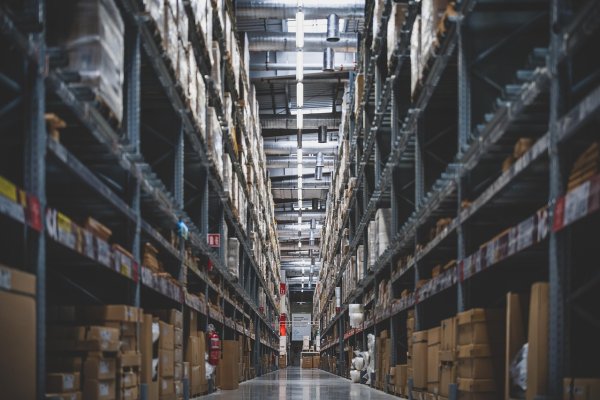
At the heart of any successful 3PL operation lies intelligent warehouse design, and racking storage systems represent the critical infrastructure that enables both cost savings and operational efficiency.
Types of Racking Systems in Modern 3PL Facilities
Professional 3PL providers employ various racking configurations to maximize space utilization and accessibility:
- Selective pallet racking: The most common system, offering direct access to every pallet position, ideal for businesses with diverse SKU ranges
- Drive-in racking: High-density storage that reduces aisle space, perfect for products with lower SKU variety but higher volume
- Push-back racking: Allows multiple pallets to be stored in depth while maintaining reasonable accessibility
- Cantilever racking: Specialized for long, awkward items that don't fit standard pallet configurations
- Mobile racking systems: Movable rack units that maximize space while maintaining accessibility when needed
How Racking Storage Reduces Costs
The relationship between effective racking storage and cost reduction is direct and measurable. When 3PL providers optimize their racking systems, they can:
- Increase storage density by up to 40% compared to traditional shelving methods
- Reduce the physical warehouse footprint needed, lowering rent and utility costs
- Minimize handling time through strategic product placement based on velocity and order frequency
- Decrease product damage through proper storage configurations and material handling
- Improve inventory accuracy with clearly defined storage locations and systematic organization
These operational improvements translate directly into lower storage fees for clients while simultaneously improving order accuracy and fulfillment speed. When evaluating potential partners on platforms like www.search3pl.com, understanding their racking infrastructure and warehouse management approach can provide valuable insights into their operational efficiency.
Postage Optimization: Where 3PLs Deliver Maximum Value
For many e-commerce businesses, postage and shipping costs represent the single largest variable expense in their fulfillment operations. This is precisely where 3PL providers demonstrate exceptional value through their carrier relationships and shipping expertise.
The 3PL Advantage in Postage Negotiation
Third-party logistics providers ship thousands or even millions of packages annually across their entire client base. This volume creates substantial negotiating leverage with major carriers including USPS, UPS, FedEx, DHL, and regional carriers. The resulting discounts can range from 20% to 60% below published retail rates, depending on volume, service level, and destination zones.
Individual businesses rarely achieve these discount levels unless they ship enormous volumes independently. By partnering with a 3PL, even small businesses gain access to enterprise-level shipping rates immediately.
Strategic Postage Management
Beyond raw discounts, sophisticated 3PL providers offer additional postage optimization strategies:
- Multi-carrier integration: Automatically selecting the most cost-effective carrier for each shipment based on destination, weight, and delivery requirements
- Zone skipping: Consolidating shipments and transporting them closer to final destinations before entering the carrier network, reducing zone charges
- Dimensional weight optimization: Advising on packaging strategies that minimize dimensional weight charges
- Service level matching: Ensuring customers receive appropriate shipping speeds without overpaying for unnecessary expedited services
- International shipping expertise: Managing customs documentation and selecting optimal international carriers to reduce costs and transit times
Technology-Driven Postage Efficiency
Modern 3PL providers leverage sophisticated shipping software that evaluates multiple variables in real-time to determine the optimal shipping method for each order. These systems consider carrier performance, current rates, delivery requirements, and even package dimensions to make intelligent routing decisions that consistently minimize postage expenses.
Operational Efficiency: The Multiplier Effect
While low costs, intelligent racking storage, and optimized postage each provide individual benefits, the true power of 3PL partnerships emerges when these elements combine into comprehensive operational efficiency.
Process Optimization Through Specialization
3PL providers focus exclusively on logistics, allowing them to develop highly refined processes that most businesses cannot justify developing internally. This specialization manifests in several ways:
- Receiving efficiency: Streamlined processes for intake, inspection, and inventory recording reduce turnaround time from product arrival to availability for sale
- Pick and pack optimization: Warehouse layouts designed around picking efficiency, reducing travel time and increasing order throughput
- Quality control systems: Systematic verification processes that catch errors before shipment, reducing costly returns and customer service issues
- Returns management: Efficient reverse logistics that quickly process returns and restore inventory to available status
Technology as an Efficiency Enabler
Contemporary 3PL operations rely heavily on warehouse management systems (WMS), transportation management systems (TMS), and integrated order management platforms. These technologies provide:
- Real-time inventory visibility: Always knowing exactly what's in stock and where it's located
- Automated order routing: Orders flow directly from sales channels to warehouse picking systems without manual intervention
- Performance analytics: Detailed reporting on fulfillment speed, accuracy rates, and cost metrics
- Integration capabilities: Seamless connections with e-commerce platforms, marketplaces, and business management systems
For businesses comparing 3PL options through directories like www.search3pl.com, evaluating technological capabilities should be a primary consideration, as these systems directly impact both efficiency and visibility.
Measuring the True Cost Savings of 3PL Partnerships
When evaluating the financial impact of working with a third-party logistics provider, it's essential to consider both direct and indirect cost savings:
Direct Cost Reductions
- Lower warehouse rent compared to dedicated facilities
- Elimination of warehouse equipment purchases and maintenance
- Reduced labor costs without hiring, training, and managing warehouse staff
- Decreased postage expenses through negotiated carrier rates
- Lower packaging material costs through bulk purchasing
Indirect Financial Benefits
- Scalability without capital investment: Grow or contract storage and fulfillment capacity based on actual needs
- Reduced management time: Leadership can focus on core business activities rather than logistics operations
- Faster time to market: Quick setup enables rapid entry into new markets or product launches
- Geographic expansion: Access to fulfillment centers in multiple regions without establishing new facilities
- Risk mitigation: Transfer of liability for inventory storage and handling to specialized providers
Selecting the Right Low-Cost 3PL Partner
Finding a 3PL provider that balances cost-effectiveness with quality service requires careful evaluation. Consider these critical factors:
Essential Evaluation Criteria
- Transparent pricing structures: Clear understanding of all fees including storage, pick and pack, postage, and any additional charges
- Racking and storage capabilities: Adequate capacity and appropriate systems for your product types
- Carrier relationships: Access to multiple carriers with competitive rates
- Technology platform: Modern systems with integration capabilities for your sales channels
- Location strategy: Warehouse positions that optimize delivery times and shipping costs to your customer base
- Scalability potential: Ability to accommodate your growth without major disruptions
- Track record: Demonstrated experience with businesses similar to yours
Conclusion: The Strategic Advantage of Efficient 3PL Partnerships
The decision to partner with a third-party logistics provider represents far more than a simple cost-cutting measure. It's a strategic choice that can fundamentally transform your business operations, enabling growth while simultaneously reducing expenses. Through intelligent racking storage systems, optimized postage solutions, and comprehensive operational efficiency, quality 3PL providers deliver value that extends well beyond their service fees.
For businesses seeking to maximize profitability while scaling operations, the combination of low-cost 3PL services with high-efficiency execution creates a competitive advantage that would be difficult and expensive to replicate independently. As e-commerce continues to evolve and customer expectations for fast, accurate fulfillment intensify, the strategic value of experienced logistics partnerships only increases.
Whether you're a startup looking to establish professional fulfillment from day one or an established business seeking to optimize existing operations, understanding how racking storage, postage optimization, and operational efficiency interrelate within 3PL partnerships will enable you to make informed decisions that support both immediate needs and long-term growth objectives.