In today's rapidly evolving e-commerce landscape, understanding fulfilment warehouse operations has become critical for businesses of all sizes. Whether you're importing products from overseas manufacturers or managing domestic inventory, the choices you make regarding third-party logistics (3PL) providers, storage solutions, and shipping strategies can significantly impact your bottom line and customer satisfaction.
Understanding Fulfilment Warehouse Operations
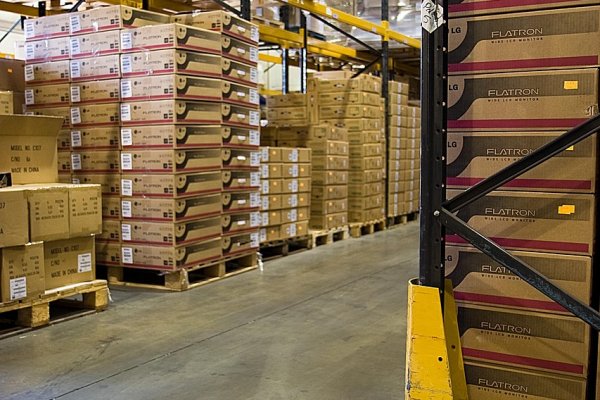
A fulfilment warehouse serves as the operational backbone of modern e-commerce businesses, providing storage, inventory management, picking, packing, and shipping services under one roof. Unlike traditional warehouses that simply store goods, fulfilment centers actively process orders and manage the entire logistics chain from receiving inventory to delivering products to end customers.
The rise of online shopping has transformed fulfilment warehouses into sophisticated operations that must balance speed, accuracy, and cost-effectiveness. Today's fulfilment centers employ advanced technology, including warehouse management systems (WMS), barcode scanning, and automated picking systems to streamline operations and reduce errors.
The Role of 3PL Providers
Third-party logistics providers operate fulfilment warehouses on behalf of businesses, allowing companies to outsource their logistics operations rather than managing their own facilities. This arrangement offers several advantages, including reduced capital investment, scalability during peak seasons, and access to established shipping networks and expertise.
Partnering with a 3PL provider means your business can focus on product development, marketing, and customer service while leaving the complexities of warehousing and shipping to experienced professionals. For businesses looking to compare services and find the right partner, platforms like www.search3pl.com provide valuable resources for evaluating different providers.
Decoding 3PL Cost Per Pallet
One of the most common pricing structures in fulfilment warehousing is the cost per pallet model. Understanding this pricing mechanism is essential for budgeting and selecting the right fulfilment partner for your business needs.
What Determines Pallet Storage Costs?
The cost per pallet typically varies based on several factors:
- Geographic location: Warehouses in major metropolitan areas or coastal regions generally charge higher rates due to increased property costs and demand
- Storage duration: Long-term storage often receives discounted rates compared to short-term arrangements
- Pallet type and size: Standard pallets (48" x 40") are typically priced differently from oversized or specialized pallets
- Special requirements: Climate-controlled storage, hazardous materials handling, or security requirements increase costs
- Seasonality: Peak seasons like the fourth quarter often command premium pricing due to increased demand
Average Pallet Pricing Structure
While prices vary significantly by region and provider, businesses can generally expect to pay between $8 to $20 per pallet per month for standard storage. This base rate typically includes:
- Pallet receiving and put-away
- Basic inventory tracking
- Standard warehouse security and insurance
- Access to warehouse management systems
However, this is just the storage component. Additional services such as picking, packing, shipping, kitting, or special handling incur separate charges. Smart businesses account for the total cost of fulfilment rather than focusing solely on storage rates when evaluating 3PL partners.
Shipping from China: Navigating International Logistics
For many e-commerce businesses, shipping from China represents a crucial component of their supply chain strategy. China remains the world's manufacturing powerhouse, and understanding how to efficiently transport goods from Chinese factories to your fulfilment warehouse is essential for maintaining competitive pricing and adequate inventory levels.
Shipping Methods and Timeframes
Businesses have several options when importing products from China:
- Ocean freight (FCL - Full Container Load): Most economical for large shipments; transit time of 25-45 days
- Ocean freight (LCL - Less than Container Load): Cost-effective for smaller quantities; similar transit times to FCL
- Air freight: Significantly faster (5-10 days) but considerably more expensive; ideal for high-value or time-sensitive goods
- Express shipping: Fastest option (3-5 days) but most costly; typically reserved for samples or urgent replenishment
Cost Considerations for China Shipping
When calculating the true cost of shipping from China, businesses must account for more than just freight charges. Hidden costs often include:
- Customs duties and import taxes based on product classification
- Customs brokerage fees for documentation and clearance
- Destination charges at the port of entry
- Inland transportation from the port to your fulfilment warehouse
- Insurance to protect against loss or damage during transit
- Quality inspection services before shipment departure
Many successful businesses work with freight forwarders who specialize in China-to-domestic shipping routes, as these partners can consolidate shipments, navigate customs requirements, and often secure better rates through volume agreements with carriers.
Managing Lead Times and Inventory Planning
The extended lead times associated with shipping from China require sophisticated inventory planning. Businesses must forecast demand accurately and place orders well in advance to avoid stockouts. Many companies maintain higher safety stock levels when relying on Chinese manufacturing to buffer against supply chain disruptions, though this strategy increases storage costs at the fulfilment warehouse.
FBM: Fulfilled By Merchant Strategies
Fulfilled By Merchant (FBM) refers to the practice of sellers handling their own order fulfilment rather than using Amazon's FBA (Fulfilled by Amazon) program. While FBA offers certain advantages, FBM provides greater control, flexibility, and often better economics for specific business models.
When FBM Makes Strategic Sense
FBM becomes particularly attractive under several scenarios:
- Selling large, heavy, or low-margin products where FBA fees become prohibitive
- Managing oversized items that incur substantial FBA storage fees
- Maintaining brand control over packaging and customer experience
- Operating multi-channel retail strategies beyond just Amazon
- Selling slow-moving inventory that would incur long-term storage fees with FBA
Partnering with 3PLs for FBM Success
Many successful FBM sellers partner with specialized 3PL providers who offer Amazon-integrated systems. These fulfilment warehouses can match Amazon's shipping speeds and customer service expectations while providing more favorable economics. Key features to look for include:
- Direct integration with Amazon Seller Central for automatic order import
- Ability to meet Amazon's shipping and tracking requirements
- Multi-channel capabilities to fulfill orders from Shopify, eBay, and other platforms simultaneously
- Competitive pick-and-pack fees that offset FBA costs
- Flexible storage options without long-term commitments
Finding the right 3PL partner for FBM operations requires careful evaluation of capabilities and costs. Resources available at www.search3pl.com can help businesses compare providers and identify those with proven Amazon integration experience.
Mastering Inventory Management in Fulfilment Warehouses
Effective inventory management represents the cornerstone of successful fulfilment warehouse operations. Poor inventory practices lead to stockouts that lose sales, overstocking that ties up capital, and inaccuracies that frustrate customers and waste resources.
Essential Inventory Management Principles
Modern inventory management in fulfilment environments relies on several key practices:
- Real-time visibility: Accurate, up-to-the-minute inventory counts across all storage locations and sales channels
- SKU-level tracking: Detailed monitoring of individual product variants, including size, color, and other attributes
- Lot and serial number management: Critical for expiration date tracking, recalls, and warranty management
- Cycle counting: Regular partial inventory audits to maintain accuracy without full warehouse shutdowns
- ABC analysis: Categorizing inventory by value and velocity to prioritize management efforts
Technology Enabling Inventory Excellence
Modern fulfilment warehouses employ sophisticated warehouse management systems (WMS) that provide:
- Automated reorder point alerts based on sales velocity and lead times
- Integration with e-commerce platforms for real-time inventory synchronization
- Barcode scanning and mobile devices for accurate receiving and picking
- Reporting and analytics to identify trends and optimization opportunities
- Multi-location inventory allocation for distributed fulfilment networks
Inventory Strategies for International Supply Chains
When shipping from China or other distant suppliers, inventory management becomes more complex and critical. Businesses must implement strategies such as:
- Safety stock calculations: Maintaining buffer inventory based on lead time variability and demand uncertainty
- Economic order quantities (EOQ): Balancing order costs, storage costs, and cash flow considerations
- Split shipments: Using both air and ocean freight strategically to balance speed and cost
- Demand forecasting: Employing historical data and market trends to predict future requirements
- Inventory positioning: Strategically locating inventory in fulfilment warehouses near key customer populations
Optimizing Your Fulfilment Warehouse Strategy
Success in modern e-commerce requires a holistic approach to fulfilment warehouse operations. By understanding 3PL cost structures, mastering international shipping from China, implementing effective FBM strategies, and maintaining excellent inventory management practices, businesses can create competitive advantages that drive growth and profitability.
The key is viewing fulfilment not as a cost center to minimize but as a strategic capability to optimize. The right fulfilment warehouse partner, pricing structure, and operational practices transform logistics from a challenge into a competitive weapon that enables faster shipping, better customer experiences, and more efficient capital deployment.
As you evaluate your fulfilment strategy, consider how each element—storage costs, international shipping, selling channel requirements, and inventory practices—interconnects to impact your overall business performance. The most successful e-commerce businesses continuously refine these elements, adapting to changing market conditions, customer expectations, and competitive pressures.
Whether you're just starting your e-commerce journey or optimizing an established operation, investing time in understanding fulfilment warehouse operations pays dividends in customer satisfaction, operational efficiency, and long-term profitability.